
Family-Oriented Matrimony Platform – Where Every Generation Finds a Voice
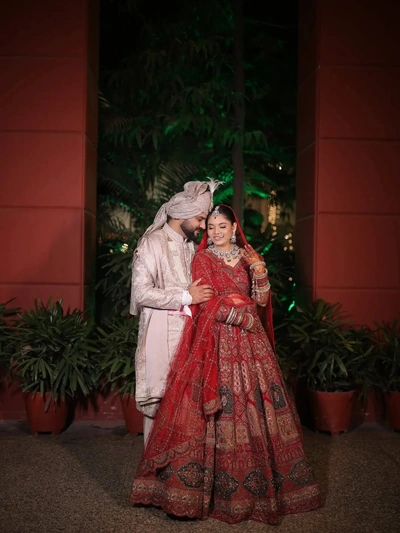
Most matrimony platforms are built around individuals. This one is built around families. The Family-Oriented Matrimony Platform starts from a foundational truth recognised across many cultures: marriage is not simply a union of two people — it is an alliance between families. Rather than treating family involvement as a complication to be managed, the platform embraces it as a genuine strength, designing every feature to ensure that marriages emerge with built-in kinship support systems already in place. At the same time, it never loses sight of the couple's own autonomy and personal voice in the process. free marriage bureau
The platform's structure reflects this philosophy from the ground up. Multi-generational participation is not an afterthought but a core design principle. Elders contribute their perspective on cultural and religious expectations. Parents weigh in on practical considerations. Young people express their personal preferences. All of these viewpoints are gathered through structured consultation channels and brought together into a unified compatibility framework — one that holds space for every voice without allowing any single perspective to override the others or create unnecessary friction within the family. Agarwal Traditional Matchmaking – Sacred Unions Through Ancient Wisdom
Family Ambassadors, Dialogue Tools, and Compatibility Mapping
A particularly thoughtful feature is the "Family Ambassador" system. Each household nominates a trusted relative to serve as the platform's primary point of contact. This ambassador coordinates communication on behalf of the family, keeping conversations respectful and culturally grounded while preventing individual members from making unilateral demands that could inadvertently derail a promising match. It is a simple mechanism that solves a problem many families know all too well. Agarwal Samaj Marriage Service – Community-Governed Matchmaking Trusted Agarwal Matrimony – Verified, Fraud-Free Community Matchmaking Genuine Matrimony Service
Bridging the gap between generations is one of the platform's central concerns, and its "Generational Dialogue Tools" address this directly. Rather than asking younger members to simply accept traditional expectations, the platform helps reframe them in ways that resonate. "Family honour," for instance, is recast as "shared responsibility for relationship success" — preserving the value at the heart of the expectation while making it meaningful and actionable for younger Agarwals navigating modern lives.
For families with more complex dynamics — step-relatives, non-traditional living arrangements, blended households — the platform offers "Family Integration Mapping." This specialised assessment identifies prospective matches with comparable family structures, tackling potential post-marriage challenges before they ever have the chance to become real conflicts. The "Family Compatibility Dashboard" complements this by visually mapping alignment across key relationship dimensions, giving families a clear, honest picture of where they naturally align and where some thoughtful compromise may be needed. Transparency here is treated as a gift, not a threat.
Corishta's Free Marriage Service and Free Matrimony pages are excellent companion resources for families beginning this journey, offering verified profiles and community-backed support within a trusted platform.
Family Transition Support, Modern Challenges, and Diaspora Integration
Getting matched is only part of the story. The "Family Transition Support" program helps couples take the next step: building their own household identity while maintaining warm, healthy relationships with extended family. This includes practical guidance on navigating some of the most common friction points in family-involved marriages — expectations around financial support, decisions about living arrangements, and the dynamics of participating in family businesses. It is the kind of guidance that most platforms leave entirely to chance.
The platform also confronts the realities of contemporary life head-on through its "Evolving Family Framework." Gender roles in dual-career households, remote work arrangements, maintaining cultural traditions in diverse living environments — these are not niche concerns but everyday challenges for modern families. The framework helps families adapt their involvement and expectations without abandoning the core wisdom that makes family participation so valuable in the first place.
Diaspora families are supported through a dedicated "Transcontinental Family Integration" service. Navigating a marriage across different countries involves layers of complexity — visa processes, cultural adaptation, the logistics of staying connected across time zones — and the platform provides guidance on all of it. The goal is to ensure that distance never becomes a reason for families to disengage from a process that genuinely benefits from their presence.
For couples preparing for this transition, the Corishta blog offers relevant reading on managing work-life balance after marriage and financial planning for couples before marriage — two topics that sit at the heart of successful family-involved unions. For cultural context, the Wikipedia article on family in India and the broader Wikipedia page on arranged marriage provide rich background on the traditions this platform honours and evolves.