Vaishya Matrimony Profiles
Showing 3+ verified profiles · Vaishya
Find Vaishya Matrimony Profiles through 3+ verified profiles on Corishta. The listing is designed to make shortlisting easier for families looking for compatible and genuine matrimony matches.
Vaishya Matrimony – Trade Values and Family Partnership
Born into the Ethic of Exchange
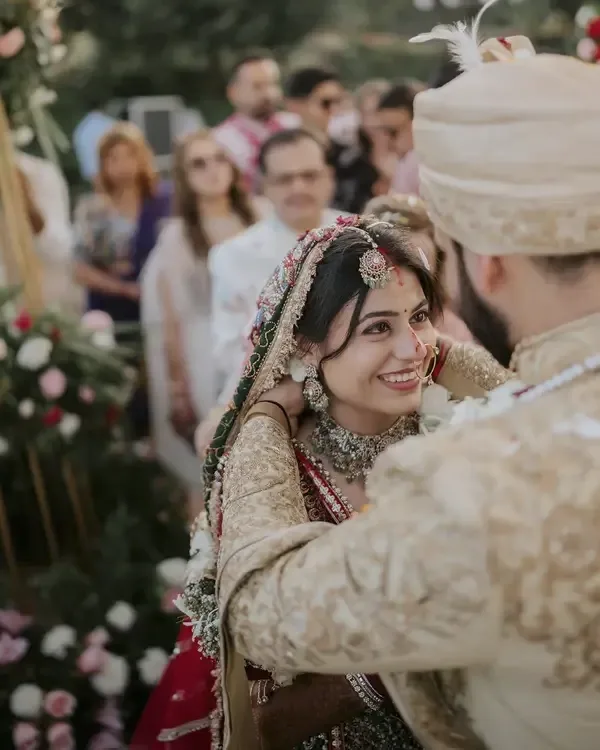
The Vaishya varna is one of the oldest commercial traditions in human civilization. Long before stock exchanges existed, before double-entry bookkeeping was formalized, Vaishya merchants were maintaining accounts that tracked debts and credits across generations, across trade routes, and across communities that spoke entirely different languages. The Vaishya understanding of value that it must be created, exchanged, and maintained with integrity is not a business philosophy. It is a way of being in the world.
When a Vaishya family enters the marriage market, they bring this framework with them. They are evaluating a long-term partnership not just between two individuals but between two family systems with their own assets, liabilities, networks, and reputations. This is not cold-blooded; it is practical in the deepest sense. They know, from generations of experience, that a marriage built on solid foundations will compound in value over time.
The Vaishya Home: Commerce and Care Together
In many Vaishya households, the line between family life and business life is intentionally blurred. Business conversations happen at the dinner table. Children learn to read a ledger before they learn to ride a bicycle. Elder sons are groomed for business responsibilities while daughters are taught the basics of account management and inventory. This is not exploitation it is education in the truest sense, a passing-on of tools that will serve the next generation.
The home itself reflects this blend of commerce and care. Guest rooms are often double as meeting spaces. The kitchen operates with the same efficiency as a well-run kitchen in a business nothing wasted, everything serving a purpose. The family goddess is thanked not just on Diwali but before every significant transaction, because in the Vaishya worldview, prosperity and devotion are not separate domains.
What Happens When Families Meet
A Vaishya family meeting to discuss a matrimonial alliance functions, on one level, like a business meeting. Both parties arrive having done their research. They know the other family's business background, their general reputation in the community, and their approximate financial standing. What they are testing in the meeting is something more nuanced: judgment. How does the boy reason about a difficult situation? How does the girl navigate the competing expectations in a room full of opinion?
There is also a warmth to these meetings that the business analogy does not capture. Vaishya families tend to be generous hosts the quality and quantity of food served signals care, not just wealth. The conversation always moves, at some point, to stories of the elders: the grandfather who survived a market crash, the grandmother who managed the shop single-handed during a crisis. These stories are not mere entertainment. They are the family's pitch deck evidence of resilience and character.
Diwali, Dhanteras, and Sacred Commerce
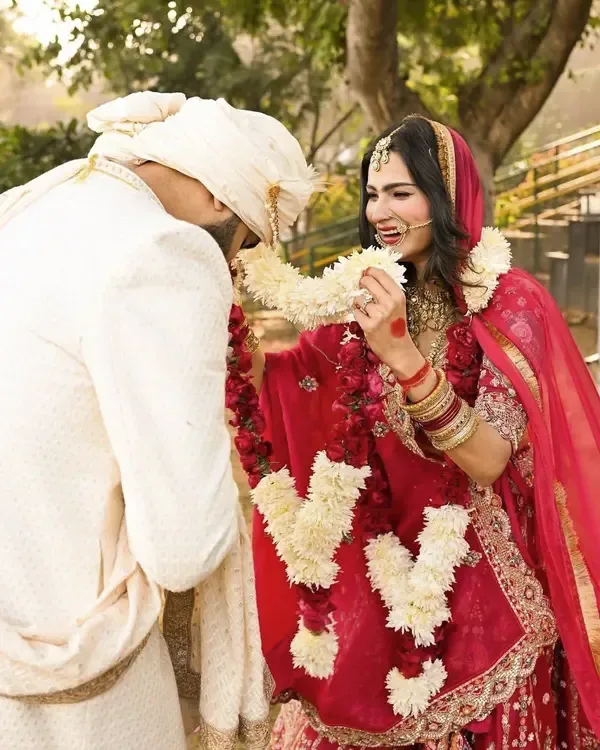
No community in India celebrates Diwali with more intensity than the Vaishya community. Dhanteras, the first day of the five-day festival, is both a religious observance and a commercial ritual. New account books are inaugurated. Old debts are settled. Business partnerships are reaffirmed. Gold and silver are purchased as both investment and offering. For a Vaishya household, this is not materialism; it is theology an annual acknowledgment that Lakshmi's grace flows through honest trade.
A partner entering a Vaishya household for the first time at Diwali will witness something that cannot be explained in secular terms. The pooja room will be immaculate. The new khata (account book) will be placed before Goddess Lakshmi alongside the family's most precious ornaments. The prayers will be specific not vague petitions for prosperity but a detailed accounting of the family's aspirations for the coming year. This is devotion rendered in the language of business.
Modern Vaishya Family Dynamics
The modern Vaishya family negotiates between tradition and transformation with varying degrees of grace. In families where business has expanded from a local shop to a national enterprise, the dynamics have shifted. Women are increasingly present in business decision-making. Sons choose careers in finance, law, or technology rather than the family trade. Daughters pursue MBA degrees and return to manage divisions of the family business.
The marriage expectations have shifted accordingly. A Vaishya family today does not simply want a daughter-in-law who can manage a home they want a partner for their son who brings her own professional capabilities, network, and ambition to the alliance. The partnership model of Vaishya marriage has simply been updated for a more complex economy.
- Business ethics and financial transparency are core values in partnerships
- Diwali and Dhanteras are the most significant annual family events
- Family business participation even partial is common and often expected
- Guest hospitality is a point of family pride and cultural expression
- Modern families increasingly seek professionally capable partners of either gender
Vaishya Matrimony FAQs
What sub-communities fall under the Vaishya category for matrimonial purposes?
Vaishya is a broad category that includes many regional trading communities such as Agarwal, Marwari, Mahajan, Modh Vanik, and others. For matrimonial purposes, families typically prefer matches within their specific sub-community first, then within the broader Vaishya category. Cultural and business compatibility often matter more than strict varna classification.
How important is family business background in a Vaishya matrimonial search?
It is a significant factor for many families. A business background indicates financial literacy, practical competence, and cultural alignment. However, families with children in professional careers also welcome partners from salaried backgrounds, provided those partners demonstrate financial maturity and respect for business culture.
What is the significance of Diwali in a Vaishya household for a new bride or groom?
Diwali is the most important annual event in a Vaishya home. The new member of the family will participate in account book inauguration, Lakshmi pooja, and community gift exchanges. Understanding and participating sincerely in these rituals is how a new family member signals their belonging.
How do Vaishya families approach dowry and financial arrangements?
Financial arrangements in Vaishya weddings are typically negotiated openly, which is considered more honest than communities where such arrangements happen covertly. The emphasis is on fairness and long-term relationship rather than one-sided extraction. Modern families increasingly prefer equitable arrangements.
Top States for Vaishya Matrimony Matches: top Indian states
Families searching for Vaishya matrimony often prefer matches by language, lifestyle, and nearby regions; these state clusters highlight where most active options are available.
No state-level distribution available yet.
Vaishya Matches Across Top Cities
Discover where Vaishya brides and grooms are most active so your matchmaking search stays focused and practical.
City pages are refreshed with active profile availability for reliable matchmaking discovery.