Sutar Matrimony Profiles
Showing 9+ verified profiles · Sutar
Find Sutar Matrimony Profiles through 9+ verified profiles on Corishta. The listing is designed to make shortlisting easier for families looking for compatible and genuine matrimony matches.



🔒 View More Profiles
Register free to see full profiles, contact details, and photos.
- or -



Sutar Matrimony: Unite Craftsmanship, Values & Strong Families
Built by Skilled Hands, Guided by Honest Hearts
The Sutar community is made up of skilled carpenters and craftsmen, who have a long-standing tradition of excellence in building homes, designing all kinds of furniture, and even constructing temples that stand tall as part of their heritage. For these folks, it’s not just work; it’s a cultural identity woven into every piece they create.
You can feel the straightforwardness in Sutar families. They know their craft like the back of their hands. Wood either fits perfectly or it doesn’t; things either hold together the right way or they don't. This straightforward honesty shapes how they connect with each other. Clear communication and mutual trust are really important to them, both in life and in the work they do.
The Cultural Heritage of the Sutar Community
Sutar people honor Vishwakarma, seen as their divine architect. The festival of Vishwakarma Puja holds significant value—it's when tools and workshops are blessed for good work ahead. It’s a day when youngsters can see their parents acknowledging their hard work as unique and worthy of respect.
Marriage in Sutar Culture
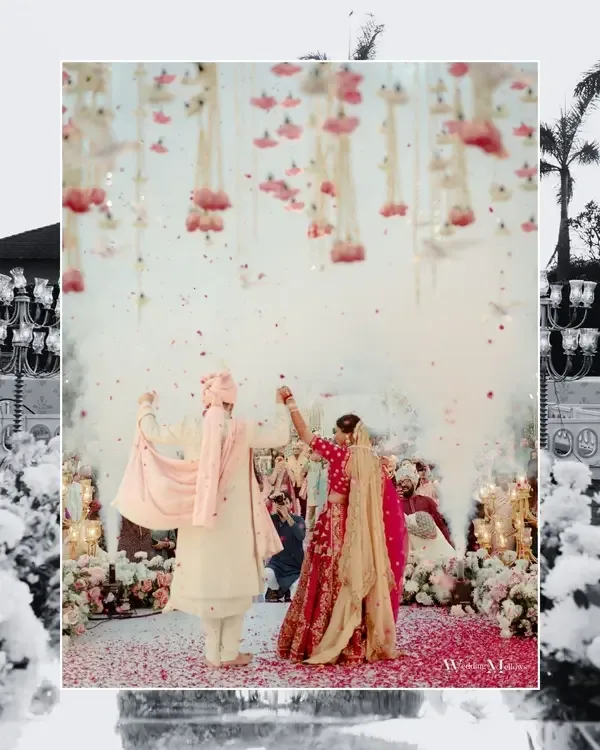
Sutar weddings are super friendly and inviting—they welcome families, extended relatives, neighbors—all are included basically. Gifts given at these weddings tend to focus on practical items—stuff that serves a purpose rather than just showing off.
This community usually prefers marrying within themselves; of course, specifics may vary between different regions or sub-castes. Families will often consult elders for wisdom during this process of finding a match.
What Sutar Families Seek in a Match

- Dependable work ethic—just like wanting to partner with someone who has the skillfulness of a dedicated craftsman.
- Honesty is essential because they shy away from pretension and fairytales.
- A stable family background means something; it matters for building relationships.
- Being open to joining community events during Vishwakarma Puja is appreciated—this shows commitment.
- A balanced temperament—calmness is key since good relationships take time and communication.
The Emotional Foundation of Sutar Households
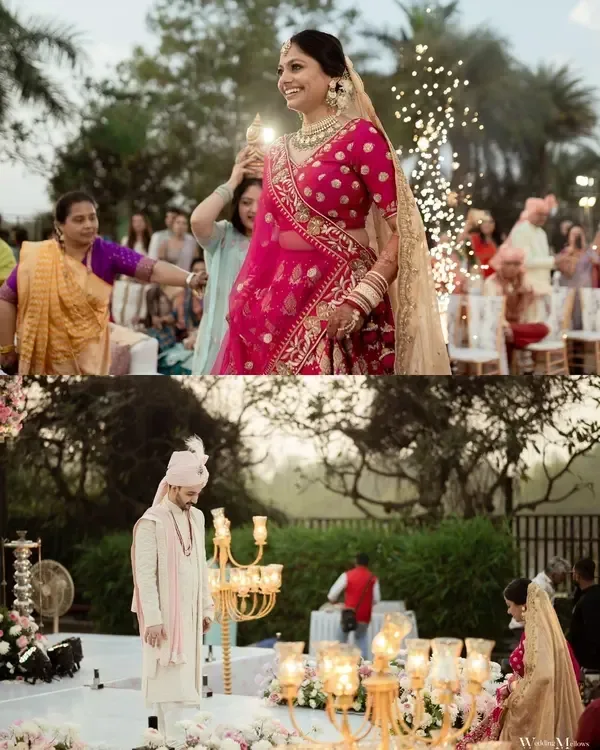
Sutar households have routine lives that run pretty smoothly—it shows off the care and skills everyone contributes within them. They provide emotional security too; they understand achieving good outcomes requires time and hard work put in together.
A Match Built to Last
Sutar Matrimony FAQs
Why is Vishwakarma Puja important to Sutar families?
For Sutar families, Vishwakarma Puja is huge because it celebrates the god of craftsmanship. They bless their tools, workshops, and workplaces. It’s all about showing pride in their skills and craftwork.
Are Sutar families still doing carpentry and construction work now?
A bunch of Sutar families have branched out into architecture, engineering, business, and teaching, but carpentry is still a big part of their heritage. Some stick with the trade professionally, while others keep it alive through community gatherings and cultural pride.
What does a Sutar family usually want in a match?
They're looking for someone who's reliable, honest, and hardworking, with a stable family background. Just be yourself—no need to put on airs.
What are Sutar weddings like?
Sutar weddings stick to local Hindu customs and have a lot of family and friends involved. Families usually give practical gifts instead of fancy ones because they value useful things more.
Do Sutar families accept marriages outside their community?
They usually prefer to marry within their community, and this can vary depending on where they are. But more and more urban Sutar families are okay with partners from similar communities if they have the same values about honesty, hard work, and family.
Sutar Matrimony Profiles Across Gujarat
This state-wise view helps you focus on Sutar matches in high-activity regions, making shortlisting faster for local and interstate alliances.
Find Sutar Brides & Grooms in Major Cities
Explore city-wise matchmaking options for Sutar to shortlist compatible profiles for marriage in active local hubs.
All cities include verified active profiles updated regularly.
 App Store
 Play Store
