Sonar Marathi Matrimony Profiles
Showing 3+ verified profiles · Sonar Marathi
Explore Sonar Marathi Matrimony Profiles with 3+ verified profiles on Corishta. From community filters to profile details, this page is built for serious matchmaking conversations.
Sonar Marathi Matrimony – Goldsmith Heritage Meets Modern Love
The Alchemy of Gold and Identity
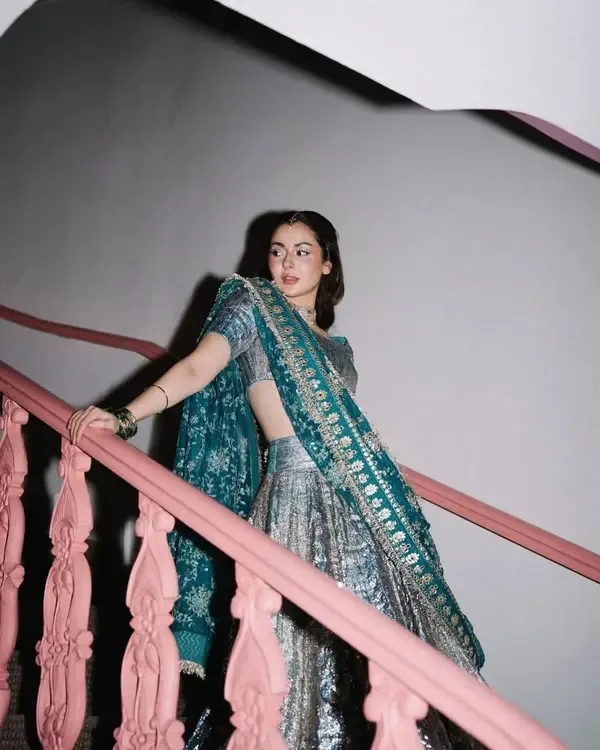
In Maharashtra, the word Sonar conjures images of fire and precision a craftsman bent over a flame, coaxing gold into shapes of extraordinary delicacy. But the Sonar Marathi community is far more than its occupation. It is a tight-knit, culturally sophisticated community with its own festivals, its own saints, and its own deeply considered understanding of what makes a home worthy of the name.
The tradition of goldsmithing has shaped the Sonar Marathi personality in ways that go beyond the workshop. There is a precision to how they speak, a care for craft in whatever they undertake, and a deep discomfort with anything that feels rushed or sloppy. These are not people who make quick decisions including decisions about marriage. When a Sonar Marathi family begins the search for a life partner, it is a considered, careful, and deeply intentional process.
Gold as Culture, Not Just Commerce
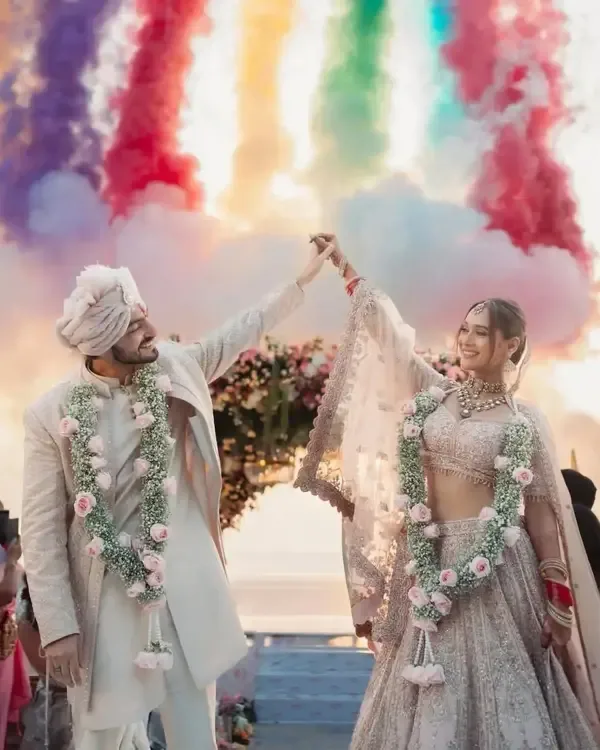
For the Sonar Marathi community, gold is never merely an economic asset. It is a language. Gold given at a wedding tells the story of a family's regard for the couple. Gold worn by a woman at a ceremony signals her family's standing and her husband's care. The specific pieces mangalsutra, toe rings, nath, bangles each carry a meaning understood by every elder in the room.
This sensitivity to material culture extends to the home. A Sonar Marathi household tends to be tasteful and well-maintained. There is an aesthetic standard, a preference for beauty that does not shout. When two Sonar Marathi families meet to discuss a potential alliance, this aesthetic compatibility a shared sense of how things should look and feel is an unspoken but powerful criterion.
The Craft of Courtship
The first family meeting in a Sonar Marathi alliance is warm but structured. Tea and snacks arrive with quiet ceremony. The elders in the room assess each other's families with the same careful eye they would bring to evaluating a piece of jewelry looking for quality, finish, and authenticity. Conversations about the boy's profession and the girl's education are expected. What is less expected, but equally important, is the feel of the room whether there is genuine warmth, whether the parents speak respectfully to each other, whether the young people look comfortable.
Sonar Marathi families particularly value a girl's composure and a boy's steadiness. They are not looking for dazzle they are looking for quality that endures. The same standard they apply to their craft, they apply to their alliances.
Saints, Festivals, and the Wari
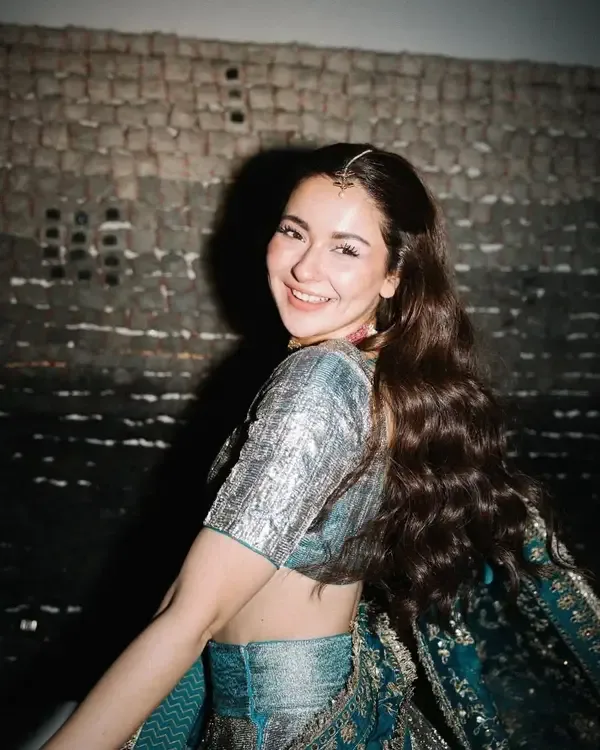
The Sonar Marathi community has deep roots in the Varkari tradition. Many families maintain connections to the Pandharpur pilgrimage the Wari as an expression of devotion to Vitthal. This is not merely piety; it is identity. The Wari is a two-week immersion in equality and community walking alongside people from every background, sharing food and song. A Sonar Marathi who has walked the Wari carries something in them that no classroom can teach.
Festival observance in a Sonar Marathi home follows the Maharashtrian calendar with particular attention. Ganesh Chaturthi, Gudhi Padwa, Narali Purnima, and Diwal are marked with rituals specific to the community. The new daughter-in-law will be expected to learn these not as an outsider absorbing customs, but as a family member for whom these rituals become her own.
Profession, Pride, and the Modern Generation
While the goldsmithing tradition remains central to community identity, the modern Sonar Marathi generation has spread across engineering, finance, medicine, and the arts. There is pride in professional achievement, but it is never allowed to eclipse the community's sense of itself. An engineer who has forgotten where his family's workshop was located will receive a gentle reminder from his grandmother at the next wedding.
This balance between professional aspiration and cultural rootedness is exactly what Sonar Marathi families seek in a potential match. Someone who has made something of themselves in the modern world, but who can also sit through a three-hour family ceremony without checking their phone, is considered a catch.
Marriage as Sacred Craft
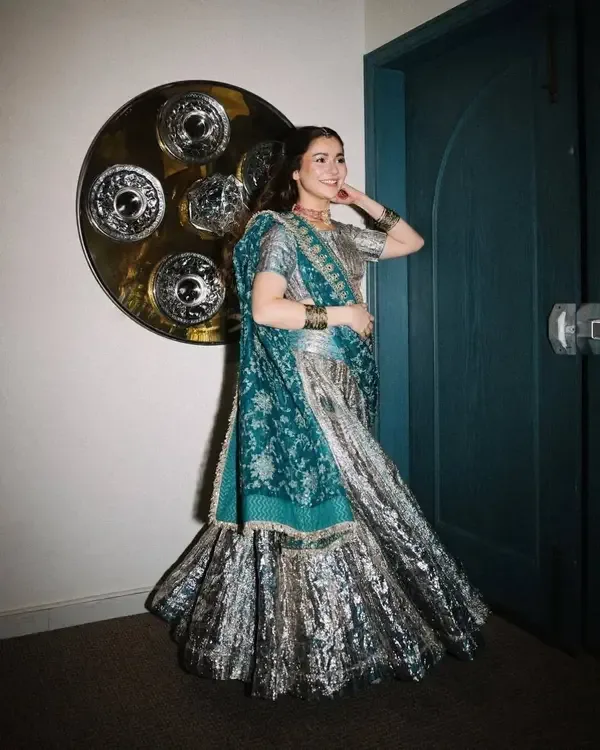
For the Sonar Marathi community, a wedding is its own work of art. Every element from the rangoli at the entrance to the arrangement of the naivadya, from the selection of the muhurta to the specific gold pieces exchanged is executed with the same care that a master goldsmith brings to a commission piece. Shortcuts are noticed and quietly disapproved.
- Goldsmith heritage informs a strong aesthetic sense in home and life
- Varkari tradition connects many families to devotional music and pilgrimage
- Wedding gold selections carry deep symbolic meaning beyond monetary value
- Community endogamy is preferred but educated families are increasingly flexible
- Professional achievement is celebrated but cultural groundedness is equally valued
Sonar Marathi Matrimony FAQs
What are the key pre-wedding rituals in Sonar Marathi weddings?
Pre-wedding rituals include halad (turmeric ceremony), kelvan (family feast), and a visit to the kul devata. The exchange of gold jewelry holds particular ceremonial importance, with specific pieces chosen to carry symbolic meaning for the new couple.
Is the goldsmithing profession still practiced in Sonar Marathi families?
Many families still have members in the trade or jewelry business, though the modern generation has diversified broadly. A connection to the craft remains a source of pride even when it is no longer the primary occupation. Families in the jewelry business often seek matches from similar commercial backgrounds.
What is the significance of the Pandharpur Wari for Sonar Marathi families?
The Wari pilgrimage to Vitthal in Pandharpur holds deep devotional significance. Many Sonar Marathi families participate annually as an expression of their Varkari faith. A prospective match who understands or participates in this tradition is often viewed favorably.
How do Sonar Marathi families approach inter-community marriages?
Traditional families strongly prefer intra-community matches. Progressive and urban families are increasingly open to alliances outside the community, particularly with other Maharashtrian communities. Respect for Maharashtrian culture and family values remains the primary criterion regardless of community.
Sonar Marathi Matrimony Profiles Across top Indian states
This state-wise view helps you focus on Sonar Marathi matches in high-activity regions, making shortlisting faster for local and interstate alliances.
No state-level distribution available yet.
Find Sonar Marathi Brides & Grooms in Major Cities
Explore city-wise matchmaking options for Sonar Marathi to shortlist compatible profiles for marriage in active local hubs.
City pages are refreshed with active profile availability for reliable matchmaking discovery.