Sindhi Matrimony Profiles
Showing 24+ verified profiles · Sindhi
Browse 24+ verified Sindhi Matrimony Profiles on Corishta. Families exploring suitable matches can review active profiles, shortlist preferences, and connect with genuine members.




🔒 View More Profiles
Register free to see full profiles, contact details, and photos.
- or -




Sindhi Matrimony: Family, Resilience & Entrepreneur Spirit
A Community That Carried Their World Within Them

The Sindhi community has a notable story, one that's definitely worth knowing. After facing the difficult reality of being displaced from their homeland, Sindh in 1947, they arrived with almost nothing physically but managed to bring along what truly mattered most. They didn’t let go of their language, time-honored recipes, vibrant music, and sharp business instincts. Instead of looking back and getting caught up in what was lost, they opted to focus on moving forward. And in just one generation, Sindhi entrepreneurs sprang up and began businesses not just all over India but also beyond its borders. This strong spirit of entrepreneurship is now woven into who they are.
Sindhi homes are known for being warm and inviting; once you step inside, you're made to feel right at home. Guests are always welcome here. Meals are abundant because hospitality feels like second nature. You can probably trace this trait back to their history—there's a deep understanding of how impactful a welcoming environment can be on social interactions.
Community Networks and the Sindhi Way
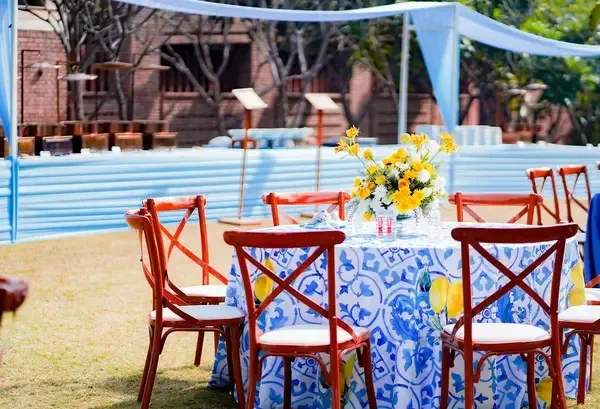
The Sindhi communities can be categorized into groups like Amil, Bhaibund, Lohana, and Sahiti. Amils largely represent the educated class while Bhaibunds predominantly come from trading backgrounds. Lohanas have connections with trade and agriculture too. Even these distinctions continue to shape their social networks today and influence matrimonial choices, even though lines are beginning to blur into the broader society.
When it comes to community ties, the Sindhi diaspora boasts one of the strongest networks worldwide. Whether it's places like Singapore or Switzerland or Hong Kong or Houston, they’ve established an impressive presence that makes marriages cross borders more common than you'd think. Families frequently search for partners globally because that shared identity keeps them brought together—a tradition that’s been upheld through many generations.
Sindhi Wedding Customs: Sacred and Celebratory
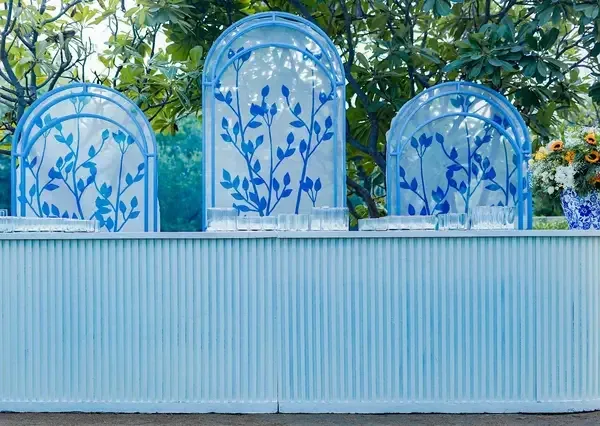
A Sindhi wedding isn’t just quick—it lasts for days packed full of vibrant traditions. The lada ladan ceremony is key—they see engagement gifts exchanged among families, symbolizing union even before the actual marriage takes place. Then there's the sata satam ritual which is super important—the bride's female relatives put it on before the wedding night using seven lamps to send good wishes into their life together.
You can't forget about the chauthi ceremony four days down the line when the groom's family visits to meet the bride’s family at her home. It’s quite emotional as she steps into her new role while everyone gathers around to celebrate this new family unit that's forming.
The Modern Sindhi Professional and Entrepreneur
You will find that today's Sindhis stay connected to their entrepreneurial heritage. Young individuals are diving headfirst into fields like fashion, electronics, diamonds, real estate, hospitality—and guess what? They’ve started breaking into tech and finance too. They seem naturally savvy about markets and relationships grounded in trust as well as smart risks they've learned from growing up within such a clever community.
- Sindhi sub-group filtering: Amil, Bhaibund, Lohana, Sahiti
- International profiles with location filters available
- Highlighted entrepreneurial backgrounds for easier matching
- Cultural identities clearly noted in profiles so there’s no confusion
- Verified family backgrounds shown along with community references required
Sindhi Matrimony FAQs
What are the main Sindhi sub-groups when it comes to marriage?
The main Sindhi sub-groups are Amil, Bhaibund, Lohana, and Sahiti. Each has its own kind of work background and social scene. Families often like to find matches within their own group, but marrying across groups is becoming more common these days.
What's the chauthi ceremony in a Sindhi wedding all about?
The chauthi is when, four days after the wedding, the groom's family takes the bride back to her parents' house. It's a big emotional moment in Sindhi weddings.
How does the Sindhi diaspora impact finding a marriage partner?
Sindhis live all over the world—from Singapore to the UK, Hong Kong to America—so looking for a match goes international by default. Matching families don't worry much about where people are because they share the same culture.
What do Sindhi families want in a marriage partner?
Sindhi families like someone who's got an entrepreneurial streak and a global view, with warmth and real family values. Being successful in your work matters, but being able to connect emotionally and build strong relationships is just as important.
What's the deal with hospitality in Sindhi culture and marriages?
Being hospitable is really important in Sindhi culture. It's rooted in their history of moving and starting over. In marriage, finding someone who is welcoming and keeps an open home is a big plus.
Sindhi Matrimony Profiles Across Gujarat, Madhya Pradesh, and Maharashtra
Families searching for Sindhi matrimony often prefer matches by language, lifestyle, and nearby regions; these state clusters highlight where most active options are available.
Browse Sindhi Matrimony by Cities
Use these city pages to compare Sindhi matrimony matches and connect with families seeking serious marriage alliances.
City pages are refreshed with active profile availability for reliable matchmaking discovery.
 App Store
 Play Store
