Shia Matrimony Profiles
Showing 10+ verified profiles · Shia
Corishta brings together 10+ verified options for Shia Matrimony Profiles. Whether families are browsing by community, city, or marriage intent, this section supports focused partner discovery.




🔒 View More Profiles
Register free to see full profiles, contact details, and photos.
- or -




Shia Matrimony: Unite Through Faith, Family, & Spirituality
Where Faith and Family Are One
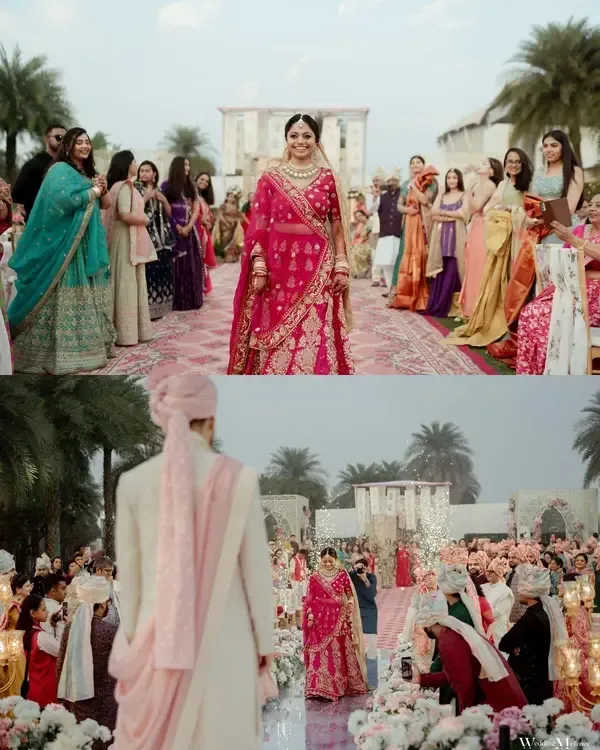
For Shia Muslims, marriage means finding a partner who shares your faith. Islam views marriage as half of your deen, and that's really true in the Shia community. Sharing life means you share prayers, mourning, celebrations, and commitments too.
The Shia community’s not just about beliefs; it has a rich culture. Rituals during Muharram, majlis gatherings, and remembering Karbala are key to being Shia. Families looking for a match want someone who gets and participates in these traditions sincerely.
The Spiritual Architecture of Shia Family Life
A Shia home reflects spirituality daily—with prayers at set times, candles on religious nights, family dua gatherings, and Imam Ali's words on the walls. They aren’t just decoration; they're part of life. Someone raised like this wants a partner who fits right in—someone who practices their faith instead of just tagging along.
Going to majlis is really important. Most Shia feel they should attend—it’s about both emotional release and community spirit. Families often look at how potential matches engage with these gatherings: attending joyfully, crying for Husain's remembrance—these show a true depth of faith that a certificate can’t measure.
Shia Wedding Traditions
Shia weddings follow Islamic law focusing on the nikah. A khutba is recited, then the mahr is settled, and both give consent. This agreement—especially from women—is very important in Shia tradition; it carries a lot of weight.
Pre-wedding events mix joy with significance—since marriage is viewed as a covenant before Allah. Afterward, the celebrations center around family—the food is good, music that follows traditions plays, and everyone enjoys themselves genuinely.
Qualities Shia Families Seek in a Partner
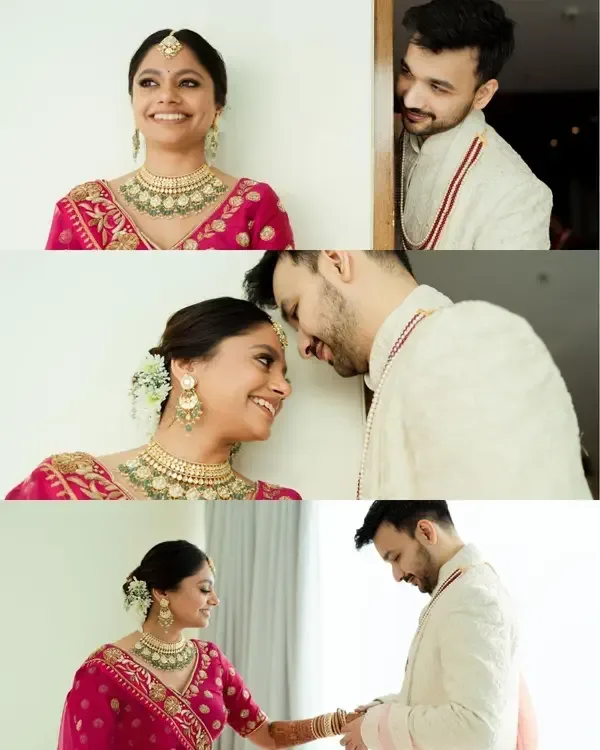
Shia families look for partners who:
- Are practicing Muslims committed to Shia beliefs
- Get the importance of Muharram and other rituals
- Come from strong family values and respect their elders
- Are educated, stable in careers, and emotionally mature
- View marriage as a spiritual bond—not just a social task
There’s also an emphasis on sect compatibility in Shia Islam—whether it's Ithna Ashari beliefs or connections to marjas. They're not divisions; they’re really chances for true compatibility.
The Emotional World of Shia Families

Shia families share deep emotions shaped by years of mourning and celebration together. Those who cry during Ashura also celebrate at Eid. These shared experiences build strong ties among family members and couples alike.
A Shia household shows love through care during important moments—like during majlis, prayer gatherings, illness support, or celebrating a child's Quran milestone. These moments truly define a Shia marriage more than any big gesture ever could.
Finding Your Shia Life Partner
If you’re looking for a Shia partner, be upfront about your faith and family traditions—how you expect to live those out together at home. The warmth found in Shia families is something special—they give genuinely to those they welcome but do want sincerity back instead of perfection.
Shia Matrimony FAQs
Do Shia spouses need to take part in Muharram observances?
For most Shia families, yes, it's pretty important. Joining in on Muharram and Ashura events shows real commitment to the faith. Families usually like it when partners go to majlis and participate sincerely.
Who decides the mahr in Shia weddings?
The mahr is worked out between the families, but the bride needs to agree to it before the nikah happens. It can be cash, property, or something else that's decided on. The bride fully owns her mahr, and it's a serious requirement in Islam, not just for show.
Can Shia Muslims marry someone from a different Muslim sect?
Shia and Sunni marriages can happen, but they can be tricky. It really depends on the family's beliefs and how strongly each person follows their sect's traditions. A lot of Shia families, especially those who follow Ithna Ashari, usually want their kids to marry within the Shia community for religious reasons.
How does family get involved when Shia Muslims are choosing a partner to marry?
Family's big in this. Shia families often rope in parents, grandparents, and even community elders when checking out a potential match. Getting the parents' blessings and considering each family's place in the community matter a lot. But don't worry, the couple’s own agreement is a must because that's just how it works with Islamic law.
What usually happens before a Shia wedding?
Before a Shia wedding, there’s typically some religious recitations and mehndi parties for the women. Families often do visits for introductions too. Some also have a dua or Quran recitation before the nikah for spiritual blessings.
Shia Matrimony Profiles Across Maharashtra
With 10 profiles spread across major states, this map-style listing helps identify where Shia matchmaking opportunities are most practical.
Shia Matches Across Top Cities
Discover where Shia brides and grooms are most active so your matchmaking search stays focused and practical.
City pages are refreshed with active profile availability for reliable matchmaking discovery.
 App Store
 Play Store
