Ramgarhia Matrimony Profiles
Showing 5+ verified profiles · Ramgarhia
Find Ramgarhia Matrimony Profiles through 5+ verified profiles on Corishta. The listing is designed to make shortlisting easier for families looking for compatible and genuine matrimony matches.



🔒 View More Profiles
Register free to see full profiles, contact details, and photos.
- or -

Ramgarhia Matrimony - Celebrating Sikh Artisan Heritage
The Hammer and the Holy Book
In Sikh culture, every job shows devotion. For the Ramgarhia community, that’s spot on. They’re artisans—carpenters, blacksmiths, masons, engineers. With solid tools and skills, they think you can build anything. This mindset traveled from Punjab's villages to England's factories, Canada’s workshops, and California’s tech companies.
The Ramgarhia identity links closely with Sikhism but has its unique twist. The name comes from the Ramgarhia Misl—a group of warrior-artisans critical in 18th-century Sikh military history. This mix of spirituality and hands-on work guides how a Ramgarhia home runs, especially regarding marriage.
Community Identity Across Continents
The Ramgarhia community spreads globally across Sikh subgroups. You can find big groups in the UK (Birmingham, Wolverhampton, Southall), East Africa (Uganda, Kenya, Tanzania), Canada, and the US. With this international setup, wedding planning has its logistics. But Gurdwara and Langar halls keep everyone connected.
They’re organized by their trades: Tarkhan (carpenters), Lohar (blacksmiths), Raj (masons). But many are now surgeons or software developers.
Anand Karaj and the Ramgarhia Wedding
The weddings revolve around the Anand Karaj ceremony. In this rite, couples circle Guru Granth Sahib four times with a hymn from Guru Ram Das each time. It’s tradition; it’s a promise before scripture with everyone present (Sangat). Sealed in a spiritual moment.
Here are some unique parts of a Ramgarhia wedding:
- Kurmai (Engagement) A formal agreement often happens at the Gurdwara with Ardas (prayer) and Karah Prasad (sacred food).
- Vatna (Haldi) A cleansing ritual using mustard oil and flour paste before the wedding.
- Choora ceremony The bride gets red and white bangles from her maternal uncle—an emotional time.
- Anand Karaj The main ceremony followed by Ardas and community Langar.
Values That Define a Ramgarhia Match
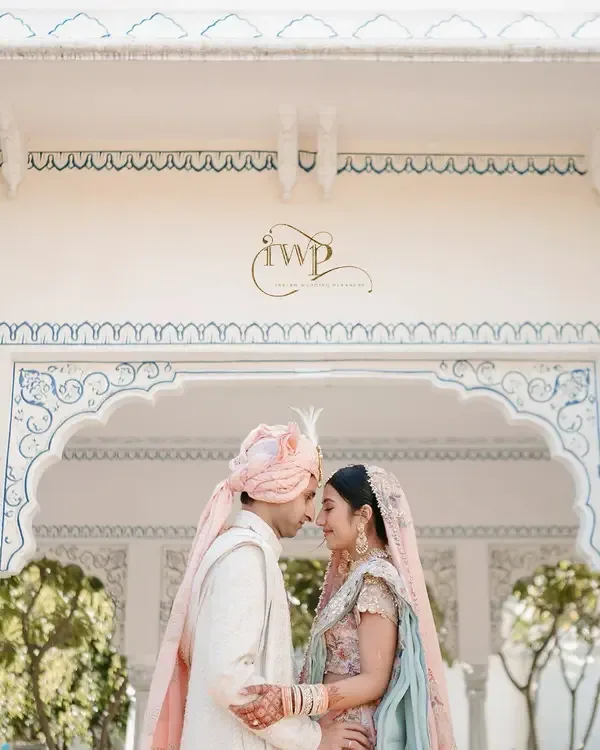
A Ramgarhia family values competence—not just skills or experience. No room for careless work; it’s how well someone handles stress that counts. Are they talented? Can you count on them?
- A solid practice of Sikh faith at Gurdwara shows good knowledge of Sikh texts—it’s a plus.
- A steady job matters; artisan roles turned into engineering or tech jobs.
- No surprise here: being ready for global opportunities is expected since many families take international moves seriously.
- A strong family unit matters—good communication helps support within families.
- Every gender matters; Sikh beliefs promote respecting women’s careers—not just accepting them.
From Punjab to the World
The Ramgarhia community is worldwide—you might celebrate Vaisakhi in Birmingham one year or Diwali in Nairobi another then have a wedding in Vancouver too. Our platform connects people across oceans while keeping both Anand Karaj's spiritual core and Choora ceremony's traditions alive for matching couples.
Ramgarhia Matrimony FAQs
How is the Anand Karaj different from other Indian weddings?
The Anand Karaj is a Sikh wedding ceremony where the couple walks around the Guru Granth Sahib, the holy scripture, four times. Each time they go around, a sacred hymn called a lav is sung. This is a bit different from weddings that happen in front of a fire or an idol because here, the whole congregation serves as the witness to their vows.
How do Ramgarhia families deal with finding marriage partners from other countries?
Lots of Ramgarhia folks live in places like the UK, Canada, and East Africa, so it's pretty normal to have international matches. The communities and Gurdwaras help make it a smooth process. Families usually start with video calls and check with community contacts to see if they're a good match before planning any face-to-face meetups.
What's the Choora ceremony, and why does it mean so much emotionally?
The Choora ceremony involves giving red and white bangles to the bride from her mom's brother. She wears them for a while after getting married as a sign she's hitched. It's one of those moments in a Punjabi Sikh wedding that really hits you emotionally, especially the farewell afterward.
Do sub-lineage distinctions like Tarkhan, Lohar, and Raj still matter in Ramgarhia weddings?
In cities and among people living overseas, these distinctions don't hold as much weight anymore because work identity tends to be more important than ancestral occupations. Still, some traditional families may want to marry within the same sub-lineage to keep cultural ties and community networks intact.
Do Ramgarhia families really care about active Sikh faith practice when it comes to marriage?
Most Ramgarhia families do take faith practice seriously. Regular visits to the Gurdwara, knowing Gurbani, and doing community service (Seva) are seen as good signs in a potential match. If a family is Amritdhari (baptized Sikh), they might want an Amritdhari partner, while keshadhari families have different requirements.
Explore Ramgarhia Matrimony Reach Across top Indian states
This state-wise view helps you focus on Ramgarhia matches in high-activity regions, making shortlisting faster for local and interstate alliances.
No state-level distribution available yet.
Find Ramgarhia Brides & Grooms in Major Cities
Explore city-wise matchmaking options for Ramgarhia to shortlist compatible profiles for marriage in active local hubs.
City pages are refreshed with active profile availability for reliable matchmaking discovery.
 App Store
 Play Store
