Pawar Matrimony Profiles
Showing 3+ verified profiles · Pawar
Corishta brings together 3+ verified options for Pawar Matrimony Profiles. Whether families are browsing by community, city, or marriage intent, this section supports focused partner discovery.



Pawar Matrimony: Celebrate Maratha Roots, Build Lasting Bonds
The Blood of the Sahyadris Runs Deep
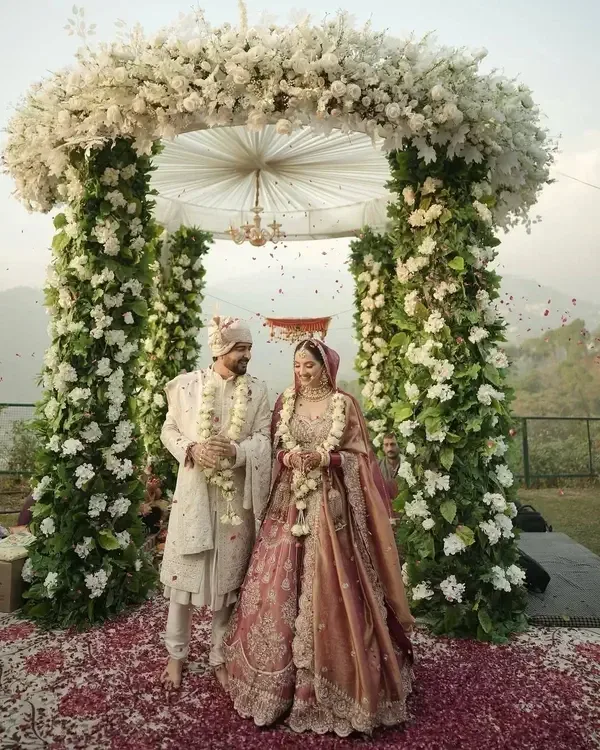
A Pawar really knows their roots. They’ve farmed, fought, and ruled for a long time. Being part of the Maratha Kshatriya tradition, the Pawar family has a history that’s perfect for those family conversations. When talking marriage, that lineage actually matters.
You see Pawar surnames all over Maratha history—like advisors, commanders, and landlords. It’s more than just words; there’s respect in how they honor deities and set their pooja room up. Marrying into a Pawar family means you’re diving into a serious family story.
The Architecture of a Pawar Household
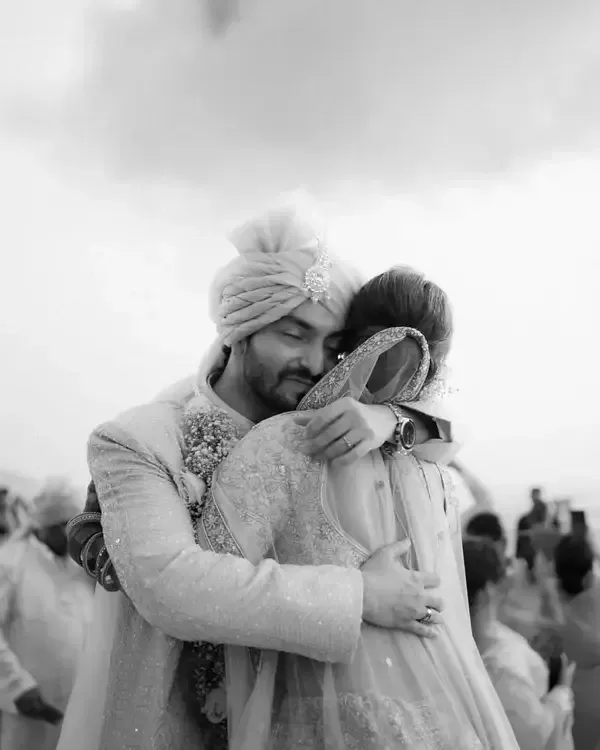
Pawar homes revolve around khaandaan—the extended family functions like its own thing. Decisions about land, weddings, and biz usually go through the elders. It’s not poking around; it’s about being part of the circle. A partner who gets this will fit right in.
Worshipping their kul devata is a big deal. They honor Tulja Bhavani, Khandoba, and local deities during important times. Before a wedding, they'll often visit the kul devata temple—even if it's far—and that trip feels as crucial as the wedding itself. If you're respectful of this, you'll do just fine.
When Two Pawar Families First Meet
They don’t ask outright but catch signals from how she talks about her parents or how he interacts with his future father-in-law. Things like cleanliness and what snacks are served carry weight too. Pawar families are pretty good at picking up on these details.
Farming Roots, Professional Branches
The Pawar identity mixes country living and city life. Many have farmland but also work as engineers or teachers. This mix keeps them steady. So when a Pawar heads back home to the village, they feel connected both to fields and to city bustle.
What Pawar Families Look for in a Match
The Pawar Wedding as Community Event
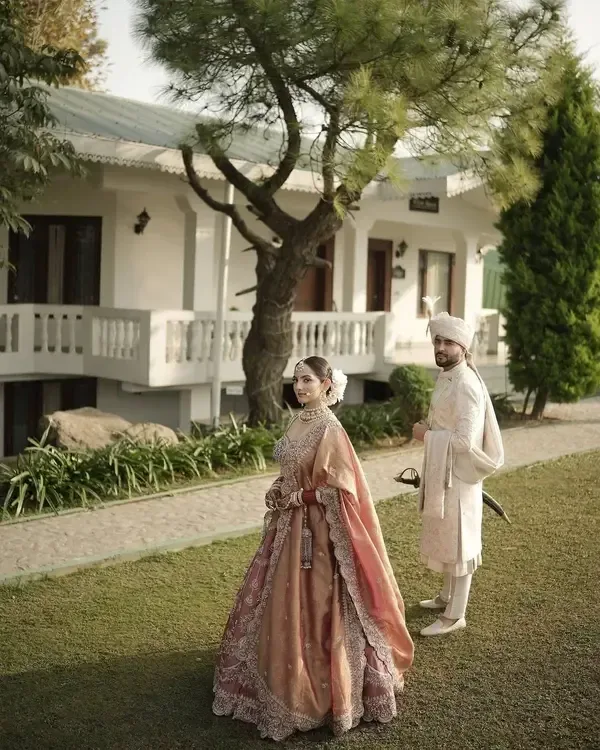
Pawar weddings are truly grand—you’ll spot modest ones catering for four hundred and others for more than a thousand guests. It’s not about showing off; it’s about ties that run deep across generations. The procession, halad ceremony, music, and large feasts showcase community spirit.
- Kul devata darshan before weddings is crucial for many
- Halad and kelvan rituals pull in everyone near by
- The wedding menu features classic Maharashtrian dishes prepared in huge amounts
- Daughters-in-law roles are clear but can change based on education
- Extended family stays involved well after the wedding celebrations end
Pawar Matrimony FAQs
What’s important about gotra and kul in Pawar marriages?
In Pawar marriages, marrying someone from the same gotra is generally avoided. Families often also look at matching kul devata, though younger folks might not worry as much about this. Some traditional families consider shaakh (branch) compatibility too.
Do you need to have land or a farming background to be part of Pawar alliances?
Having rural ties can be a nice plus for some families, but it's not required. What really matters is if the family is stable and trustworthy, land or not.
Do looks matter in Pawar matrimonial searches?
They're not the most important, but people do notice them. Families are more interested in someone who comes across as confident and friendly, which they call tejasvi swabhav.
What does the extended family do after a Pawar wedding?
After a Pawar wedding, the extended family still sticks around quite a bit. They’re there for festivals, harvests, naming ceremonies for the kids, and major decisions. The daughter-in-law has to get along nicely with them but can count on their support when things are difficult.
Are Pawar families okay with intercaste marriages?
It varies. Older generations might prefer marrying within the community. But city folks and the educated ones might be more open, as long as the partner gets Maratha traditions and values.
State-wise Pawar Matrimony Opportunities in top Indian states
Pawar matrimony demand varies across India, and these top states show where verified profiles and serious matchmaking intent are strongest right now.
No state-level distribution available yet.
Browse Pawar Matrimony by Cities
Use these city pages to compare Pawar matrimony matches and connect with families seeking serious marriage alliances.
All cities include verified active profiles updated regularly.
 App Store
 Play Store
