Panchal Matrimony Profiles
Showing 2+ verified profiles · Panchal
Browse 2+ verified Panchal Matrimony Profiles on Corishta. Families exploring suitable matches can review active profiles, shortlist preferences, and connect with genuine members.

Panchal Matrimony: Celebrate Five Rich Crafts Heritage
The Five Arts That Built the World
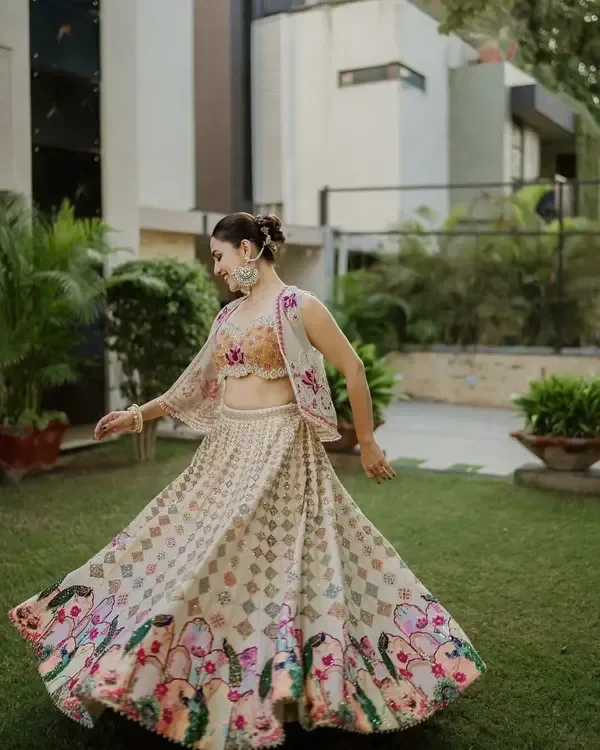
Panchal means five, which is a nod to the five crafts that define this vibrant community: goldsmithing, blacksmithing, bronze-casting, carpentry, and stone-carving. These trades have really shaped everywhere from small villages to impressive grand palaces. The Panchal community takes a lot of pride in this—they didn’t just engage in trading; they actually made things happen with their skills. Trust me, you've got to see their work in detailed temple gopurams, beautiful intricate bronze statues that catch your eye, and those sturdy wooden havelis that you're bound to appreciate.
The Panchal identity is deeply rooted in achieving craft excellence. Their standards run high—not just regarding the quality of work but also in how they value character, family bonds, and trustworthiness. If a Panchal family thinks about committing to doing something right, perfection's what they expect—there's no room for taking short cuts at all. This belief seems to influence everything they do in life.
The Panchal Household: Craft as Worldview
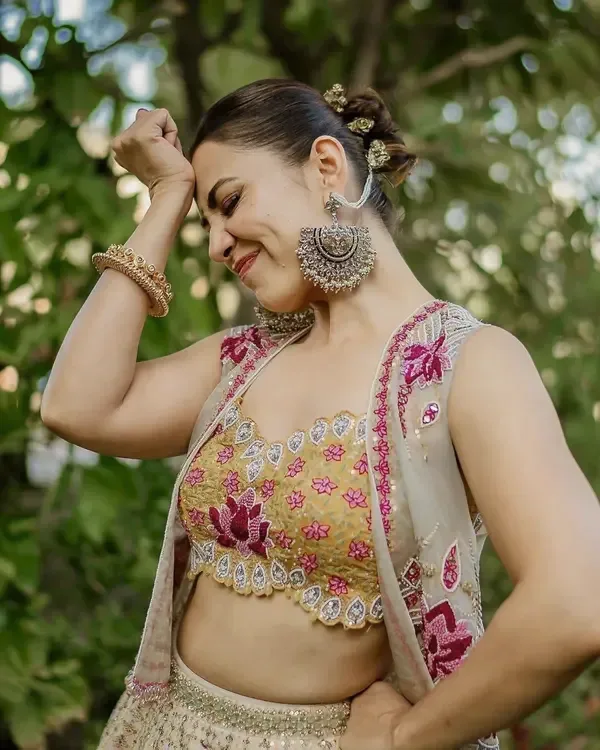
A typical Panchal home shows craftsmanship wherever you look—from carefully choosing quality furniture to meticulously planning ceremonies. Every festival gets decorated with precise detail you can't help but admire. Even preparing food is done thoroughly—it really fits their overarching approach since it’s about appreciating how tasks are accomplished.
When Panchals come together, you’ll see them showcasing their craftsmanship—you’ll notice artisans swapping skills and celebrating shared culture at these gatherings. They’re not merely focused on craft activities; these events are also important social get-togethers and serve as hubs for marriage discussions, along with governance talks because for them, craft and community seem inseparable.
Matrimonial Meetings: Quality Assessment
In matrimonial discussions between two families, you’ll find a careful evaluation going on that mirrors how craftsmen check their own work for quality. They look into family backgrounds all the way back through generations—so lineage traces matter A LOT. And believe it or not, jobs might not weigh as heavily as does growth—Are they making strides in their professions like engineering or medicine?
Younger folks are keen on clarity too. How do they communicate when under pressure? Can they keep calm when it counts? Is there any solid evidence that demonstrates they've truly committed themselves to honing their skills?
Patron Deities and Community Worship
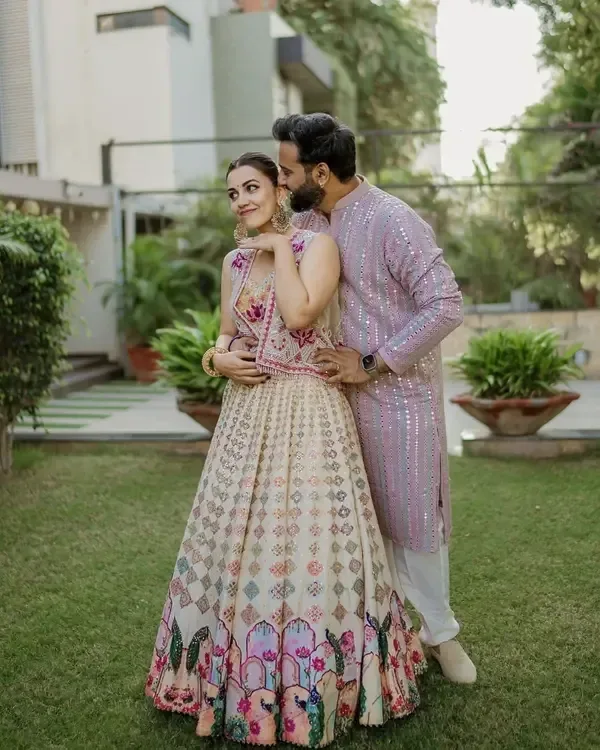
The patron deity is Vishwakarma, often celebrated as the craftsman among all gods. Vishwakarma Puja in September is quite significant; it’s the time when workshops get cleaned out entirely and tools are presented for blessings with great respect. New apprentices take part in these ceremonies—it shows that skills are precious gifts worthy of gratitude.
Along with Vishwakarma Puja, there's also the regular Hindu festivals reflecting local customs seamlessly tied into life here. Marriages come with unique crafted rituals while community elders cheerfully partake—proving how values and traditions pass through new family ties.
What the Panchal Community Seeks in Marriage
They absolutely want someone who's serious—not entangled up in titles but someone who's genuinely passionate about what they're doing—whether it’s technical or artistic—and truly dedicating hard work into it day after day. This kind of commitment doesn't go unnoticed within a Panchal family; it's recognized right away without question.
- Five traditional crafts form the strong identity of the community: goldsmithing, blacksmithing, bronze-casting, carpentry, stone-carving
- Vishwakarma Puja marks an important annual religious event
- Craft excellence isn’t just about what’s produced—it also emphasizes integrity throughout
- Community events blend socializing with professional necessities rhythmically
- Growth and true raw talent hold more importance no matter which field is chosen
Panchal Matrimony FAQs
What crafts are part of the Panchal community?
The Panchal community is known for five main crafts: goldsmithing (sonar), blacksmithing (lohar), bronze-casting (tamrakar), carpentry (suthar/badhai), and stone-carving (patharvat). Families usually have roots in one of these crafts, but nowadays people might be in different jobs.
Who's Vishwakarma, and why's he so important to the Panchal community?
Vishwakarma is basically the go-to guy for all things crafting in Hindu tradition. He's seen as the divine builder for the gods. For the Panchal community, he symbolizes how skilled work can be a kind of devotion. Every year, Vishwakarma Puja's a big deal where they bless their tools and rededicate themselves to their craft.
Are marriages between different lineages within the Panchal community okay?
Marriages between different Panchal lineages, like a sonar family with a lohar family, are usually fine in most areas. Some places might have their own likes or dislikes, but being part of the larger Panchal group, with shared beliefs, is a strong connection no matter what lineage you're from.
What jobs are most appreciated in Panchal matrimonial searches?
People respect any career done well with real skill and dedication. Jobs in engineering, architecture, and manufacturing fit well with Panchal's focus on craftsmanship. Business roles also get respect for their practical know-how. It's not just about the job type but how the person handles their work—are they improving and being honest about what they can do?
State-wise Panchal Matrimony Opportunities in top Indian states
With 2 profiles spread across major states, this map-style listing helps identify where Panchal matchmaking opportunities are most practical.
No state-level distribution available yet.
Panchal Matches Across Top Cities
Discover where Panchal brides and grooms are most active so your matchmaking search stays focused and practical.
All cities include verified active profiles updated regularly.
 App Store
 Play Store
