Padmashali Matrimony Profiles
Showing 5+ verified profiles · Padmashali
Explore Padmashali Matrimony Profiles with 5+ verified profiles on Corishta. From community filters to profile details, this page is built for serious matchmaking conversations.



🔒 View More Profiles
Register free to see full profiles, contact details, and photos.
- or -

Padmashali Matrimony – Weaving Tradition and Strong Bonds
Woven Into History

If you ask a Padmashali elder about their identity, they'll mention Bhavana Rishi, the divine weaver. For ages, folks from Andhra Pradesh and Telangana have been weaving the essence of South India. They crafted silks and cottons for kings, adorned deities with their work, and built a culture around it. It's not just a job; it’s part of who they are.
The Chenetha or handloom isn’t just for home; it’s treasured. Families hand down weaving patterns and lessons — how patience and discipline come together in crafting beauty. Each thread is important. These lessons shape lives and marriages.
Community Identity and Geographic Reach
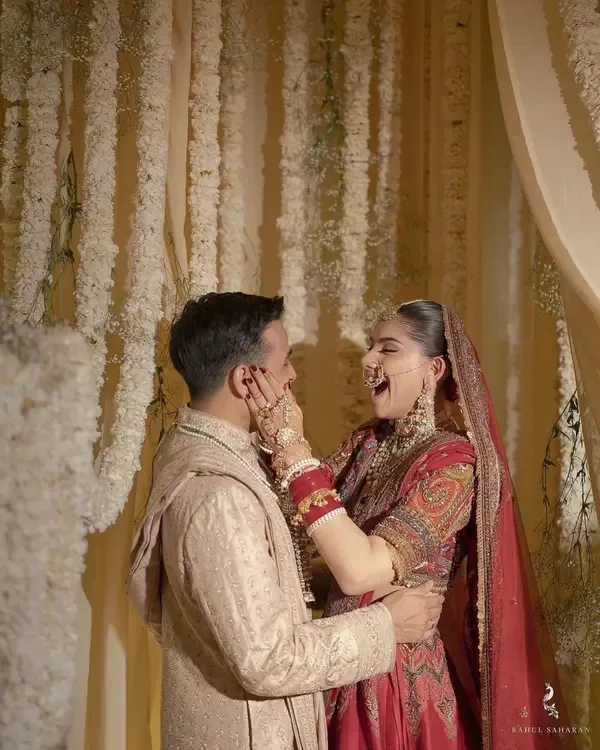
The Padmashali community mostly hangs out in Andhra Pradesh and Telangana with key groups in Hyderabad, Karimnagar, Nalgonda, and Kurnool. Sub-divisions like Devangi, Sale, and Sengunta Mudaliar from Tamil Nadu have their own customs but weave together that shared heritage from Bhavana Rishi.
They’re evolving economically. Handloom weaving is still a point of pride, but now many are into trade, education, government jobs, and IT. There’s also a big diaspora in Hyderabad and Vijayawada that stays connected even while far from ancestral looms.
Marriage Traditions Rooted in Craftsmanship
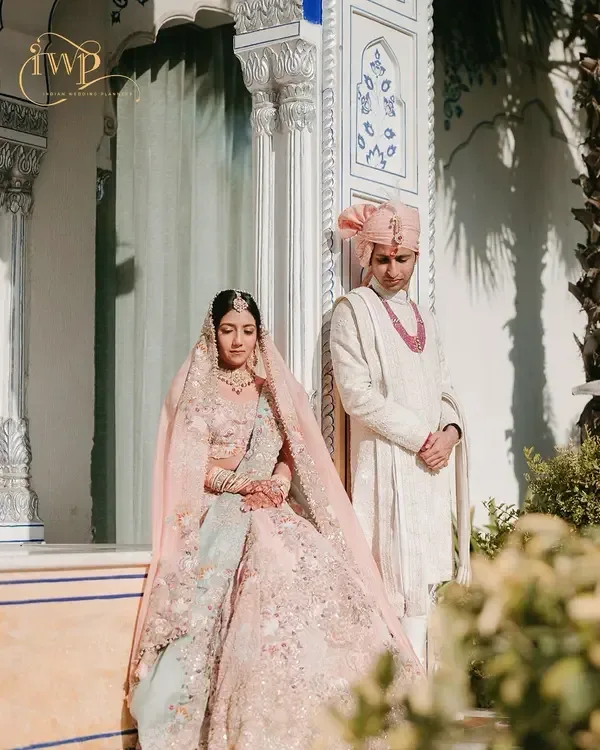
dhoti and angavastram typically follow suit among traditional families.
Wedding rituals often include:
- Nischitartham Engagement ceremony with gifts and blessings.
- Pellikoduku and Pellikuturu ceremonies Pre-wedding rites involving songs from family women.
- Mangalasnanam Auspicious bath before the wedding.
- Saptapadi and Mangalyadharana Important rounds around the sacred fire tying the Mangalasutra central to Telugu Hindu weddings.
Values in the Padmashali Home

- Respect for craft—and dedication to creative effort.
- A good business sense comes from a trading background.
- Pride in family—joint living or close networks are common.
- Engagement in community gatherings like Padmashali sangha events.
- A strong emphasis on educational success keeps growing.
Between the Loom and the Laptop
Hyderabad's tech world may not weave by hand every day but knows its importance. They carry that identity into their work: paying attention to details, valuing patience, understanding that quality means effort. They're looking for partners who appreciate this mindset—seeing connections between looms and laptops or craftsmanship blending with professionalism.
Padmashali Matrimony FAQs
Why is Bhavana Rishi important to the Padmashali community?
Bhavana Rishi is considered the divine ancestor who taught the Padmashali people how to weave. This isn't just a story; it really shapes how they see their work and culture, focusing on craftsmanship and creativity. Many of their festivals and ceremonies pay tribute to this history.
How do Padmashali weddings keep the handloom tradition alive today?
Not as many families make a living from weaving now, but lots of people still order special handwoven sarees and dhotis for weddings to show their cultural pride. Padmashali groups and artisan co-ops help keep the tradition going, and families who still weave are respected in the community.
How do Padmashali sanghas help with finding marriage matches?
Padmashali sanghas are places where people can connect socially and find potential marriage matches. They hold events where families can meet each other and check out possible matches. The community trusts matches verified by the sanghas, so it makes folks feel more comfortable about the introductions.
Do Padmashali usually arrange marriages within their sub-divisions?
Traditionally, people liked to match within the same sub-divisions like Devangi or Sale. But these days, especially in cities with educated families, they’re open to looking across different parts of the larger Padmashali group. Cultural fit and family reputation matter more than staying strictly within a sub-division.
Do Padmashali families expect you to know Telugu language and culture when getting married?
Most Padmashali families care a lot about knowing the Telugu language and culture, like the festivals, food, music, and ceremonies. Even if someone grows up outside Andhra Pradesh or Telangana, families usually want them to keep their Telugu roots.
Where Padmashali Matrimony Matches Are Growing: Telangana
This state-wise view helps you focus on Padmashali matches in high-activity regions, making shortlisting faster for local and interstate alliances.
Padmashali Matches Across Top Cities
Discover where Padmashali brides and grooms are most active so your matchmaking search stays focused and practical.
All cities include verified active profiles updated regularly.
 App Store
 Play Store
