Oswal Matrimony Profiles
Showing 2+ verified profiles · Oswal
Oswal Matrimony Profiles on Corishta features 2+ verified profiles. This page helps families compare background, community preferences, and marriage intent before taking the next step.


Jain Matrimony: Business Principles & Timeless Heritage
Where Tirthankar Teachings Meet the Trade Ledger
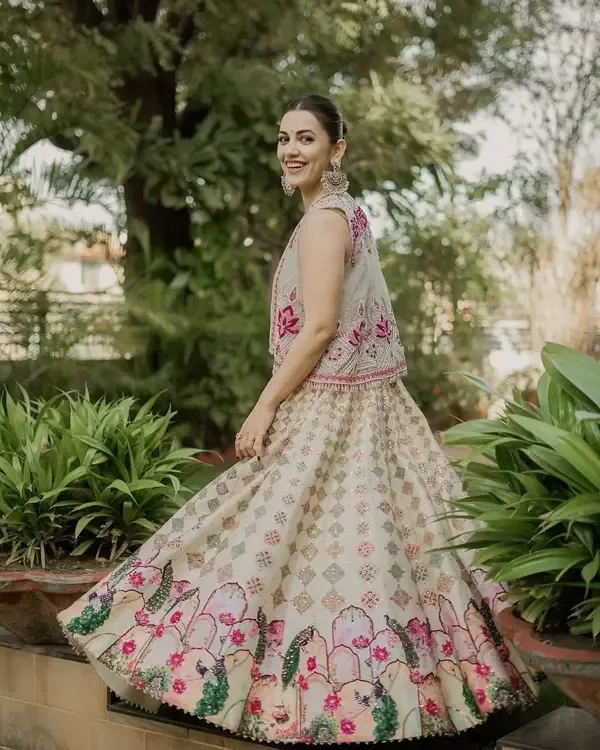
The Oswal community, one of the oldest Jain business groups, goes back to Ratnaprabha Suri’s conversion ages ago. Since then, they’ve lived Jain values like ahimsa, satya, and aparigraha not just as ideas but applied them in their work too. Their business decisions have roots that predate modern ethics.
They mix dharma with commerce without giving up either. Oswal merchants stick to Jains' fasts and strict vegetarianism while backing Jain temples and schools, respecting teachings from the Tirthankars. But when it’s time to do business, they know how to be strategic, plan for the long haul, and manage finances well. These roles go together.
The Oswal Home: Austerity and Abundance Together

An Oswal home shows Jain simplicity mixed with success. Their houses look nice but aren’t gaudy. Kitchens follow strict rules—no root vegetables—and fasting happens year-round. The pooja room holds importance, filled with Jain images and meaningful items.
Paryushan is when an Oswal family's commitment shines through. For about eight or ten days, everything changes. Business slows down significantly. Family members fast based on what they can do. Pratikraman prayers involve everyone for repentance and understanding. It’s emotional—time for real contemplation and self-improvement.
Matrimonial Evaluation: Ethics Before Economics
An Oswal matrimonial gathering isn't just about financial choices even if that comes up. Ethics take the lead. Are they genuinely practicing Jain values? How strict are they with vegetarianism? Do they support religious spots? Do their business moves reflect their beliefs? You notice it over time instead of asking directly.
They look at character too: is this person grounded? Do they practice self-control according to Jain teachings? Can they handle their feelings for lasting relationships? The qualities that make someone a good Jain fit well for an Oswal family partner.
Community Institutions and the Web of Obligation

The Oswal community manages lots of charities—schools, hospitals, dharmashalas, upashrayas—thanks to their wealth and teamwork. Community respect partly hinges on contributions made—like donating to trusts or funding parts of hospitals really shows their involvement.
If you marry into an Oswal family, you’re expected to join in this generous tradition over time. For those brought up in it, giving back is meaningful—not just an obligation.
The Oswal Wedding: Formal, Beautiful, and Consciously Observed
Oswal weddings follow Jain values—they focus on restraint and pride. Meals are strictly vegetarian often made using high-quality ingredients supplied by family ties in business. They closely observe Jain customs—it might include a pandit and specific chants. Guests experience a festive yet religious ceremony.
- Strict Jain vegetarianism (often avoiding root vegetables) is essential
- Paryushan reflects deep devotion to Jain principles
- Community charities rely on family donations and involvement
- Gotra compatibility and sect alignment come up early
- Business ethics based on ahimsa and satya with financial health matter
Oswal Matrimony FAQs
Where does the Oswal community come from originally?
The Oswal community started when a lot of people converted to Jainism because of the monk Ratnaprabha Suri, way back in medieval Rajasthan. They've kept up with Jain traditions and have been really successful in business, with some members creating big companies and charities in India.
How serious are Oswal households about following a vegetarian diet?
They take it pretty seriously. Everyone is strictly vegetarian. Most also avoid root veggies like potatoes, onions, and garlic because of stricter Jain rules. During fasting times like Paryushan, there are even more food restrictions. If someone doesn’t stick to being strictly vegetarian, they’re usually not considered for marriage.
Why does the Oswal community focus so much on charity?
Giving to things like temples, hospitals, schools, and dharmashalas is both a religious duty and something people just expect. Everyone notices when families give. When someone new joins the community, they're usually expected to join in eventually. It's seen as an important way to show what the community cares about, not as a burden.
Do Oswal matrimonies usually mix Shwetambar and Digambar Jain sects?
Most people in the Oswal community are Shwetambar Jains, so marrying between Shwetambar and Digambar is pretty rare. These marriages have to deal with different rituals, festival dates, and food habits. Usually, families prefer their kids marry within the Shwetambar tradition.
Oswal Matrimony Profiles Across top Indian states
Families searching for Oswal matrimony often prefer matches by language, lifestyle, and nearby regions; these state clusters highlight where most active options are available.
No state-level distribution available yet.
Oswal Matches Across Top Cities
Discover where Oswal brides and grooms are most active so your matchmaking search stays focused and practical.
City pages are refreshed with active profile availability for reliable matchmaking discovery.
 App Store
 Play Store
