Navayana Matrimony Profiles
Showing 4+ verified profiles · Navayana
Browse 4+ verified Navayana Matrimony Profiles on Corishta. Families exploring suitable matches can review active profiles, shortlist preferences, and connect with genuine members.


Navayana Buddhist Matrimony - Meet Your Perfect Match
Rooted in the Blue Ambedkar Revolution
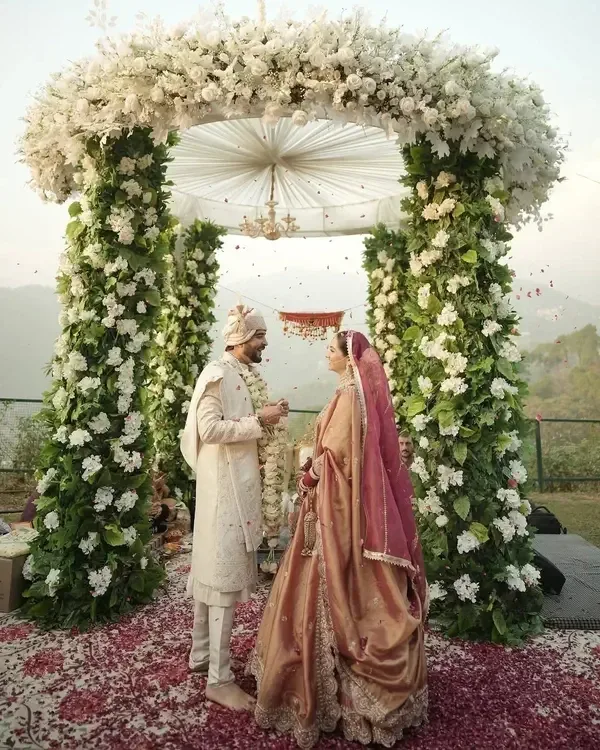
You know, Navayana Buddhism's about becoming. When Dr. B.R. Ambedkar switched from Brahminical Hinduism to Buddhism in 1956, it wasn’t just belief changes; he built a new identity for many. Those exploring this identity in marriage seek something real: love based on solid choices, not caste pressure.
If you look for a partner in the Navayana community, you want someone who sees love, equality, and dignity as rights, not just concepts. In Navayana households, talks often bring up Babasaheb's lessons and how to live ethically now—no dowries here, just mutual respect from day one.
What Makes a Navayana Home Unique
You walk into a Navayana home, and there’s likely a picture of Dr. Ambedkar next to Buddha—two leaders tied by one concept: suffering ends when ignorance does. Families actually celebrate Dhamma Chakra Pravartan Din, Ambedkar Jayanti, and Buddha Purnima instead of just going through motions.
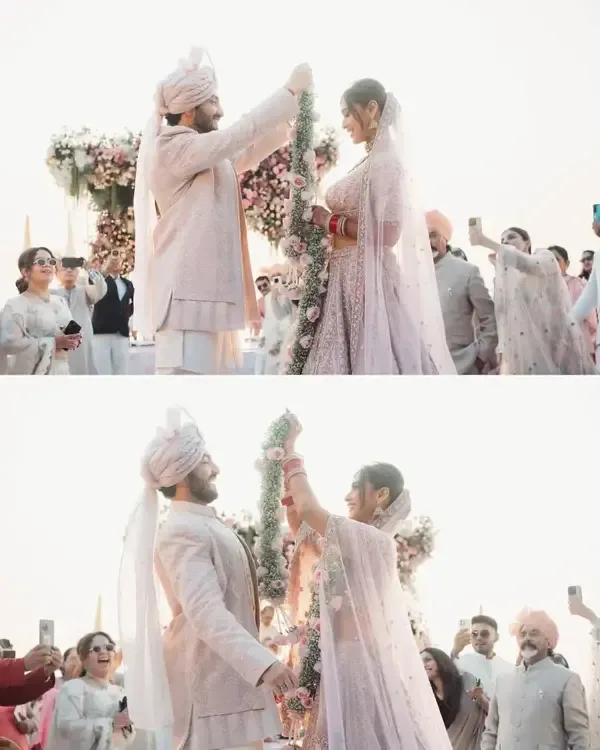
Couples focus on honest discussions. Weddings often involve Pancha Sila vows rejecting superstition and raising kids who challenge norms rather than accept blindly. Ceremonies might have chants or giving out Bodhi tree saplings—picked for meaning, not just tradition.
The Emotional Texture of Navayana Courtship
Education, Ambition, and Modern Life
Compatibility Beyond the Profile
Expectations from a Life Partner
- true grasp of Navayana Buddhist identity
- support for boosting social mobility goals
- willing to raise kids in the Dhamma tradition
- respect community history without resentment
- dynamism for creating a caste-free home environment
Navayana Matrimony FAQs
What's Navayana Buddhism, and why's it important for marriage?
Navayana Buddhism was started by Dr. B.R. Ambedkar to move away from caste-focused Hinduism towards a rational, ethical form of Buddhism. In marriage, it means both people value equality, dignity, and living according to Dhamma. This gives them a strong base for a fair and thoughtful partnership.
How are Navayana weddings different from Hindu ones?
They're pretty different. In Navayana weddings, there are usually Pancha Sila vows, a dhamma talk, and efforts to avoid caste-based rituals. Some families add chanting and offerings to the Bodhi tree, too. Plus, there’s no dowry or horoscope matching in these ceremonies.
Are Navayana families okay with inter-community marriages?
A lot of Navayana families are alright with marrying outside the community as long as the partner respects Ambedkarite values and is on board with raising a family within the Dhamma framework. It's about values, not just labels.
What kind of education or jobs do Navayana families usually like in a partner?
Education’s big for Navayana folks. They usually like partners who are pretty educated, especially if they're in government jobs, law, medicine, or teaching. These fields fit well with Ambedkar’s idea of using education to improve society.
What do Navayana families think about dowry and wedding costs?
They’re against dowry because it's seen as a leftover from the caste system that doesn't fit with their beliefs. Families usually opt for simple and respectful weddings without putting a big financial strain on either side, following Ambedkar's ideas on fair economics.
Top States for Navayana Matrimony Matches: top Indian states
With 4 profiles spread across major states, this map-style listing helps identify where Navayana matchmaking opportunities are most practical.
No state-level distribution available yet.
Find Navayana Brides & Grooms in Major Cities
Explore city-wise matchmaking options for Navayana to shortlist compatible profiles for marriage in active local hubs.
All cities include verified active profiles updated regularly.
 App Store
 Play Store
