Maurya Matrimony Profiles
Showing 6+ verified profiles · Maurya
Maurya Matrimony Profiles on Corishta features 6+ verified profiles. This page helps families compare background, community preferences, and marriage intent before taking the next step.




🔒 View More Profiles
Register free to see full profiles, contact details, and photos.
- or -


Maurya Matrimony – Empire’s Legacy, Community’s Heart
Descendants of Greatness, Builders of Homes
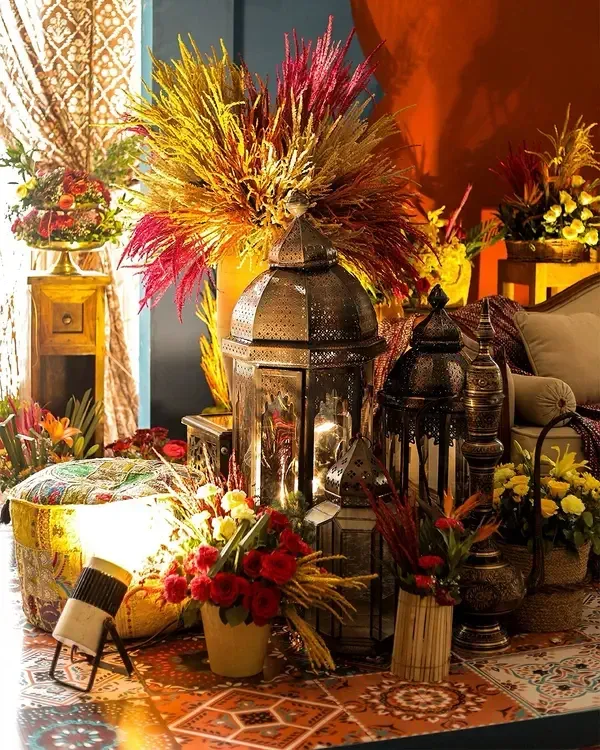
The Maurya name comes from one of history's big empires. It was the dynasty that united a subcontinent under Chandragupta’s rule and Ashoka’s ideas. Whether your connection is with that empire or just sharing the name, being a Maurya means valuing order, leadership, and the bigger picture. A Maurya home is organized. Kids know their chores, elders get respect, and everyone has a say in decisions.
Most Mauryas live in Uttar Pradesh, Bihar, and Madhya Pradesh. This community is an OBC group focusing on horticulture, vegetable farming, and small-scale agriculture. Connected to the Mali occupation—growing plants—Mauryas understand patience and seasonality. They know things take time to grow.
Community Identity and Regional Variation
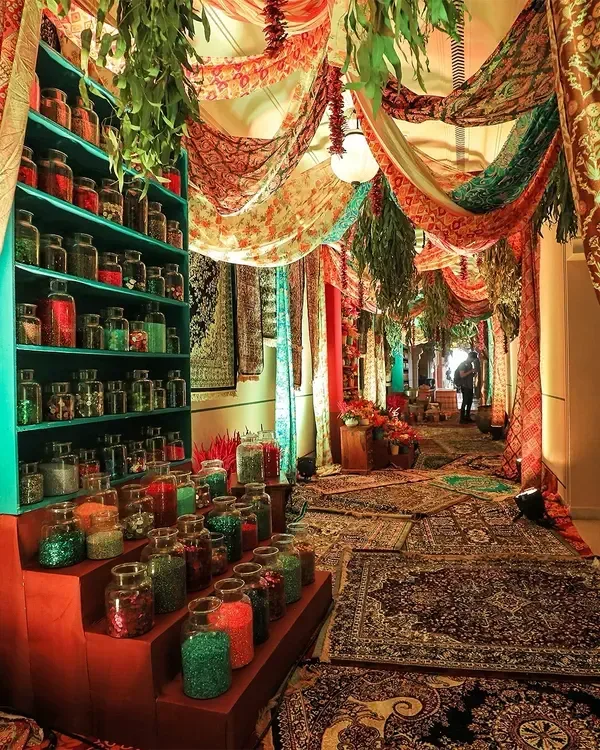
In UP, some Mauryas link themselves to the Shakya lineage, going back to the Buddhist Shakya clan tied to Siddhartha Gautama. This gives a philosophical twist for families that value non-violence, balance, and community service along with normal Hindu customs.
Matrimonial sub-groups among Mauryas are sorted by region and work. Families from the same district can easily match since existing networks make background checks simpler.
Marriage Rituals and the Ceremonial Garden
A Maurya wedding gets its life from agricultural symbols. The mandap usually has marigold garlands hanging up. When the couple exchanges flower garlands during the Jaimala, it represents growing together—a symbol of unity.
- Tilak (Sagai): Engagement where family comes for blessings.
- Haldi ceremony: A purification ritual before the wedding with traditional songs.
- Saptapadi: Seven rounds around the fire as a marriage vow.
- Devdhar Puja: Offerings to family deities before and after weddings for blessings on the couple.
What Maurya Families Look for in a Match

A Maurya family looks for matches like checking seedling quality—seeing soil health, growth potential, seasonal fit. They focus on practical as well as philosophical points:
- A steady income through gardening, government jobs or trade.
- Family character matters—actions in the community top public image.
- Spiritual values count—whether leaning Hindu or Buddhist, self-discipline is significant.
- A willingness to engage in seasonal farm life—even while living urban lifestyles.
- Respecting elders and knowing your family background is key.
The Maurya Generation Rising
Younger Mauryas are aiming for government exams, ag universities, and starting urban businesses more than ever. From past gardeners to modern thinkers—they’re sending kids to IITs or joining Indian Administrative Service. They want partners who appreciate their roots but also have high aspirations.
This platform links Maurya families across UP, Bihar, and more. It’s about sharing those values of discipline, patience, and community spirit that have supported this community as they look ahead through marriage.
Maurya Matrimony FAQs
How's the Maurya community linked to the Maurya Empire?
The Maurya community in UP and Bihar feels culturally tied to the old Maurya dynasty, even if not every family can trace their roots straight back. Some parts of the community also relate their heritage to the Shakya clan, which keeps their connection to Buddhism alive. This history gives the community a unique pride and way of thinking.
How does working in gardens and farming affect marriage expectations in the Mali community?
Even if they’re not into it now, Mali families have roots in gardening and farming. It teaches a lot like patience, sticking with things long-term, and knowing how seasons change. So when thinking about marriage, they look for someone dependable and focused on building something over time, not just quick fixes.
Do Buddhist Maurya families get treated differently when it comes to marriage?
While most Maurya families follow Hinduism, a few in UP and Bihar follow Buddhist traditions, especially during festivals and important ceremonies. When it comes to marriage, the main thing people look at is if both families celebrate the same big festivals and have similar religious practices.
Do government jobs matter in Maurya marriage choices?
Government jobs, like those in the army, police, teaching, or admin stuff, are a big deal. They show you've got a steady and respectable job, and that's why many Maurya families prefer them when it comes to marriage talks.
How do people in the Maurya community usually find marriage partners?
People often rely on their community for setting up matches. Elders, neighbors, or local matchmakers play a big role. But these days, younger folks, especially those living in cities or working out of state, are also turning to online matrimonial sites.
Best State-wise Destinations for Maurya Matrimony: Uttar Pradesh
Maurya matrimony demand varies across India, and these top states show where verified profiles and serious matchmaking intent are strongest right now.
Find Maurya Brides & Grooms in Major Cities
Explore city-wise matchmaking options for Maurya to shortlist compatible profiles for marriage in active local hubs.
All cities include verified active profiles updated regularly.
 App Store
 Play Store
