Mali Matrimony Profiles
Showing 37+ verified profiles · Mali
Corishta brings together 37+ verified options for Mali Matrimony Profiles. Whether families are browsing by community, city, or marriage intent, this section supports focused partner discovery.




🔒 View More Profiles
Register free to see full profiles, contact details, and photos.
- or -




Find Lasting Love with Nature's Own Children in Mali Matrimony
A Community That Lives Close to the Earth
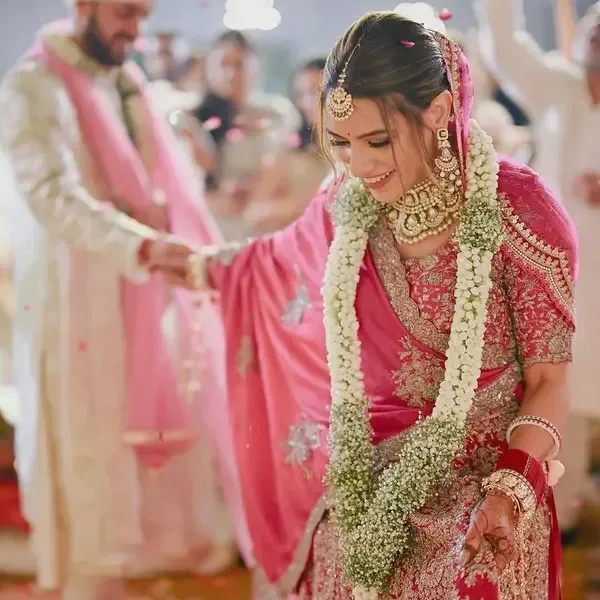
The Mali community knows one important thing: beauty takes time, patience is love, and those who tend a garden have a different sense of time. The Mali people go by names like Phulmali, Kachhi, Saini, and Baghban in various places and they've cultivated not just flowers and veggies but a whole way of life that's simple, generous, and connected to what nature gives us.
You can spot a Mali household by how they interact with their plants. A pot of marigolds at the door, a tulsi plant in the yard, maybe a little kitchen garden—that’s not decoration. It shows who they are. Kids in these homes grow up knowing flower names in several languages; the scent of jasmine harvest mixes with home-cooked meals, and they learn about patience long before school teaches it.
The Diversity Within the Mali Community

No matter the differences, a shared gentleness ties them together. They care for their gardens without trying to control everything, give nourishment freely, let things grow at their own speed—this translates into warmth in social interactions. Elders in Mali are known for their wisdom, ready to give advice without pushing it onto anyone.
Wedding Traditions Blessed by Flora and Fragrance
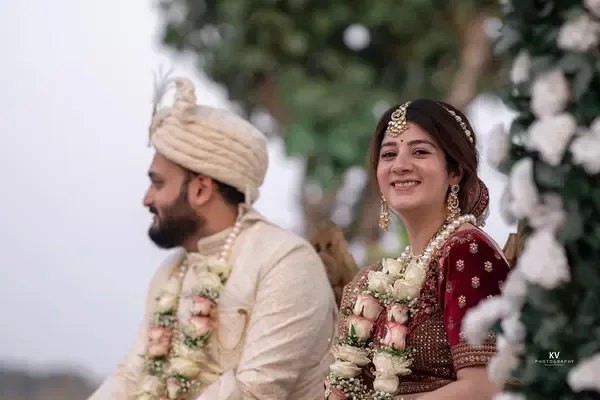
A New Generation of Mali Professionals
- Sub-group identification including Phulmali, Kachhi, Saini profiles
- Floral heritage that plays a big part
- Match recommendations based on values
- A simple profile interface focused on family
- Verified backgrounds held through community reputations
Mali Matrimony FAQs
Which sub-groups are in the Mali community for matrimony?
The Mali community has sub-groups like Phulmali (they grow flowers), Kachhi (they grow vegetables), Baghban (they focus on orchards), and Saini. Each one’s got its own job traditions and local customs.
What's the phool barna ritual in weddings in Mali about?
Phool barna is when people scatter flower petals on the bride's path as she walks to the wedding mandap. It’s meant to wish the couple a life full of beauty, abundance, and ease.
How big a deal is nature and gardening in Mali’s culture?
Nature and growing stuff are a huge part of Mali’s identity, showing up everywhere from how people decorate their homes to how they celebrate at weddings. Being connected to plants and growing things is something Mali families value when considering someone's background.
What do Mali families want in a marriage partner?
Mali families look for traits like being gentle, patient, and having a warm and down-to-earth personality. While having a good job matters, qualities like character, humility, and valuing a simple, meaningful life are even more important.
Do people from the Mali community work in modern jobs today?
They sure do. Lots of folks from the Mali community work in areas like horticulture science, landscape architecture, education, engineering, and public service. They've kept up with their agricultural and plant-focused traditions while diving into these fields.
Mali Matrimony Profiles Across Maharashtra, Rajasthan, and Madhya Pradesh
Use this distribution to compare Mali profile availability across regions and prioritize states with better response and compatibility potential.
Mali Matches Across Top Cities
Discover where Mali brides and grooms are most active so your matchmaking search stays focused and practical.
All cities include verified active profiles updated regularly.
 App Store
 Play Store
