Mali Ful Matrimony Profiles
Showing 8+ verified profiles · Mali Ful
Browse 8+ verified Mali Ful Matrimony Profiles on Corishta. Families exploring suitable matches can review active profiles, shortlist preferences, and connect with genuine members.



🔒 View More Profiles
Register free to see full profiles, contact details, and photos.
- or -



Mali Ful Matrimony: Embrace Nature and Cherished Family Values
The People Who Make Beauty Bloom
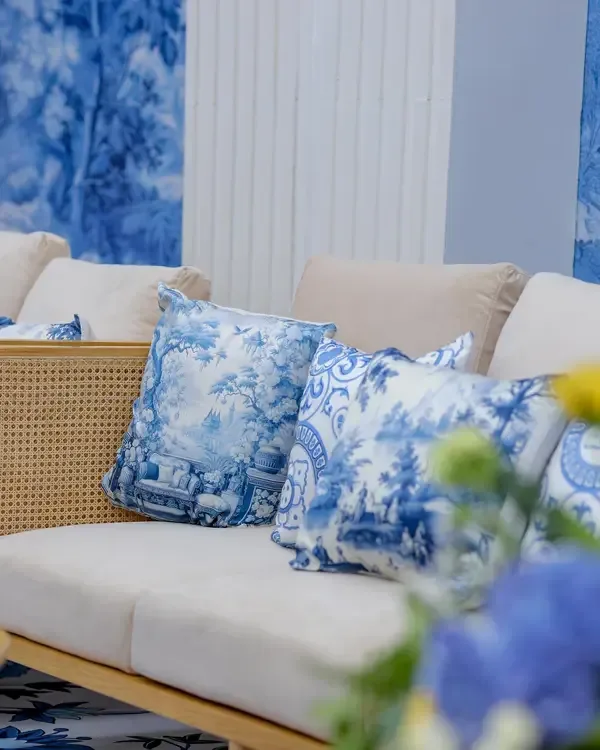
The Mali Ful community has a deep connection with nature that goes beyond farming; it’s all about flowers. For generations, they’ve grown and arranged blooms for temples, weddings, and festivals. This isn’t just about plants; it’s part of their worship. When someone grows flowers for a deity's garland, they contribute to the devotion, much like the priest with the offering.
Being surrounded by beauty—the colors, scents, and fleeting moments of flowers—shapes how Mali Ful people view life. There's a strong sense of aesthetic awareness and sensitivity to details. They know beauty is temporary (like flowers that bloom and fade). It changes how they experience life and relationships.
Community Identity and Agricultural Roots
The Mali community's history with flower-growing runs deep. It's not just about making money; it has a significant social role too. Vendors and garland makers serving major markets in India mostly come from Mali communities. It requires specific knowledge—understanding soil quality, flowering seasons, and crafting long-lasting garlands.
The Ful Mali sub-group is particularly known for its flower cultivation practices. During festivals, the Mali Ful community presents stunning floral decorations showcasing their skills.
Marriage in Mali Ful Culture
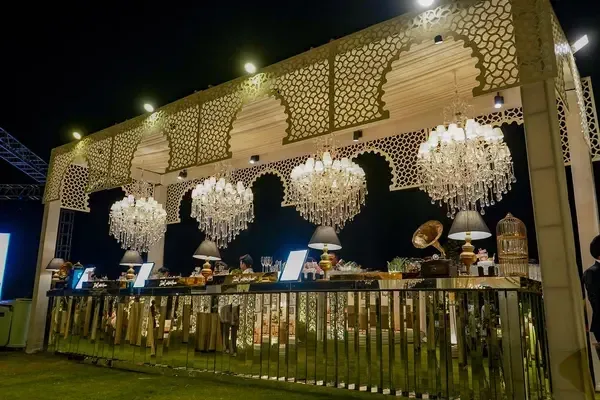
Mali Ful weddings smell amazing. The community works hard to create beautiful celebrations—with gorgeous garlands between bride and groom, decorated mandap spaces, and fragrant floral arrangements all over—it’s part of their art.
The weddings blend regional Hindu traditions with unique Mali Ful customs that vary among sub-groups. Family involvement is crucial; both sides come together to create a memorable event.
What Mali Ful Families Seek in a Partner
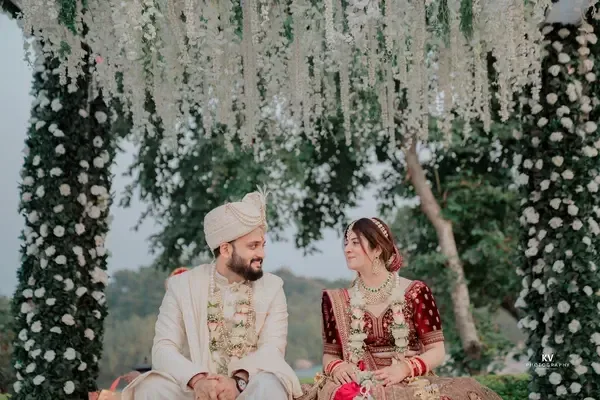
Mali Ful families take partner selection seriously. They consider practical points along with personal values:
- A love for nature and appreciation of their floral artistry
- A good work ethic suited for agricultural backgrounds
- A stable family history respected in the community
- Respect for the spiritual aspect of floriculture—they see this work as more than just growing plants
- Genuine warmth and valuing everyday love over grand gestures
The Emotional Texture of Mali Ful Households
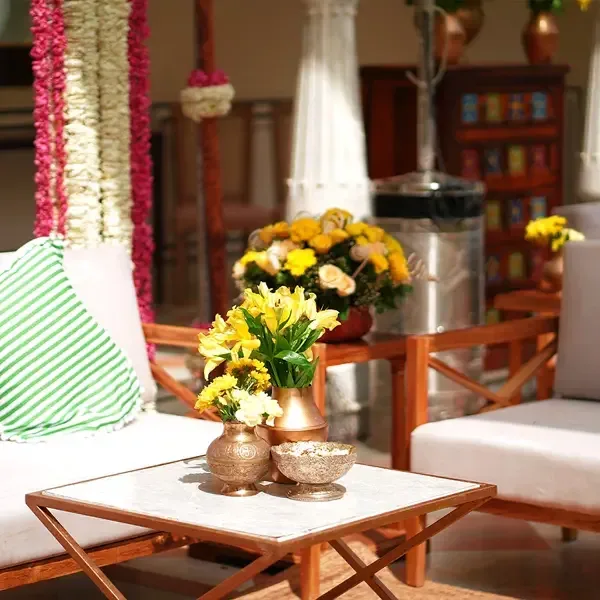
Mali Ful homes have a distinct feel—flowers everywhere, lovely garden scents grounded in an agricultural lifestyle. This connection creates an emotional steadiness that many find appealing. Working with living things teaches patience as a key trait.
The spiritual dimension helps many families feel connected to something larger. They often visit temples—not only for society but to maintain their relationship through flowers as part of daily routines. Having a partner who shares or understands this view strengthens their bond.
A Life Surrounded by Beauty
Joining a Mali Ful family means entering daily life filled with beauty—not extravagant wealth or status but beauty arising from their ties to nature's cycles. These folks know how to honor the divine with blooms; sharing life’s abundance feels warm and generous.
Mali Ful Matrimony FAQs
Why do flowers matter so much to the Mali Ful community?
Growing flowers and making garlands for temples and ceremonies is a big part of who they are. It's not just a job, it's more like an act of devotion or worship. They're really proud of their skills in flower decoration too.
How do flowers fit into a Mali Ful wedding?
In Mali Ful weddings, flowers play a big role. The couple exchanges garlands, the mandap is decorated with flowers, and the floral arrangements everywhere look amazing because folks around here really know their stuff.
How does the Mali Ful community's work relate to their religion?
The Mali Ful community grows flowers that are a big part of their temple activities and devotional practices. They produce and provide flowers for temple garlands and festivals, which ties their farming directly to worship. So, what they do isn't just about making money; it's got spiritual meaning too.
Do Mali Ful families mainly work in the flower business these days?
Many Mali Ful families still focus on floriculture, especially where there are big flower markets. But a lot of younger folks are branching out into jobs in education, government, and business. The love for flowers and nature is strong, even if they're not in the trade.
What do Mali Ful families look for in a partner?
Mali Ful families look for folks who have a down-to-earth warmth, a love for nature, and a real work ethic. They also care about someone who respects their family traditions. They prefer someone who's not showy and values family stability over having lots of money or social status.
Explore Mali Ful Matrimony Reach Across Maharashtra
With 8 profiles spread across major states, this map-style listing helps identify where Mali Ful matchmaking opportunities are most practical.
Mali Ful Matches Across Top Cities
Discover where Mali Ful brides and grooms are most active so your matchmaking search stays focused and practical.
City pages are refreshed with active profile availability for reliable matchmaking discovery.
 App Store
 Play Store
