Lohana Matrimony Profiles
Showing 2+ verified profiles · Lohana
Find Lohana Matrimony Profiles through 2+ verified profiles on Corishta. The listing is designed to make shortlisting easier for families looking for compatible and genuine matrimony matches.


Lohana Matrimony: Uniting Business Minds & Strong Families
Merchants of the World, Family at the Center
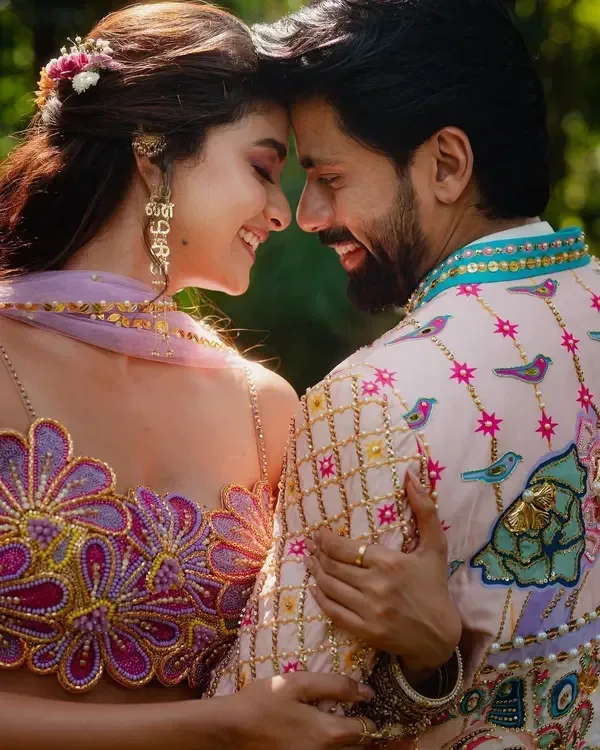
The Lohana community has a unique migration story. They began in Sindh and Gujarat, moving along trade paths to Africa and beyond, creating a strong commercial base. Lohana merchants played a big role in the British Empire's trade network. Now, you can find them in Africa, the UK, the US, and Southeast Asia, keeping family ties across many time zones.
This diaspora stays pretty close-knit. Families in Nairobi and Leicester keep in touch, run businesses together, and even set up marriages from afar without much hassle. Those family bonds help with trust and sharing information that make deals and marriage plans easier than dealing with outsiders.
The Lohana Value System: Business, Devotion, Community
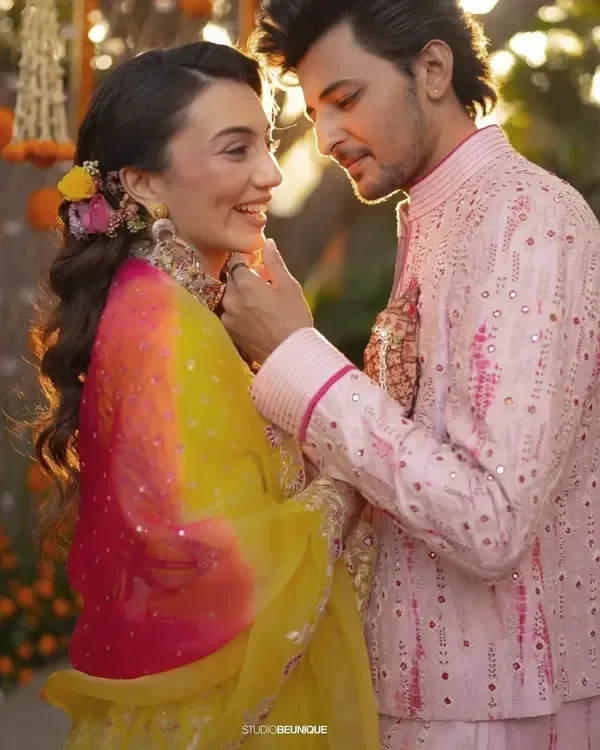
Lohana culture mixes Vaishnav Hindu beliefs with smart business. Their efforts link daily rituals like aarti and temple upkeep with their spirituality. They see prosperity as a blessing that comes with duties: giving back to charity, supporting their community, and welcoming others into their homes.
Satsang events aren’t just about faith; they connect people despite distance or time. Hosting these proves a family's commitment to values and investment in their community.
The Lohana Matrimonial Network in Action
Finding a Lohana match isn’t only about looking traditionally; it’s about using a network. Often relatives abroad or elders who know both families help make connections. These aren’t just referrals; they’re trusted sources who get both sides.
When families meet up, it's usually quick since they often share common ground in education or careers. What matters most is chemistry and whether future connections look promising instead of burdensome.
Lohana Weddings: Global Families, Local Ceremony
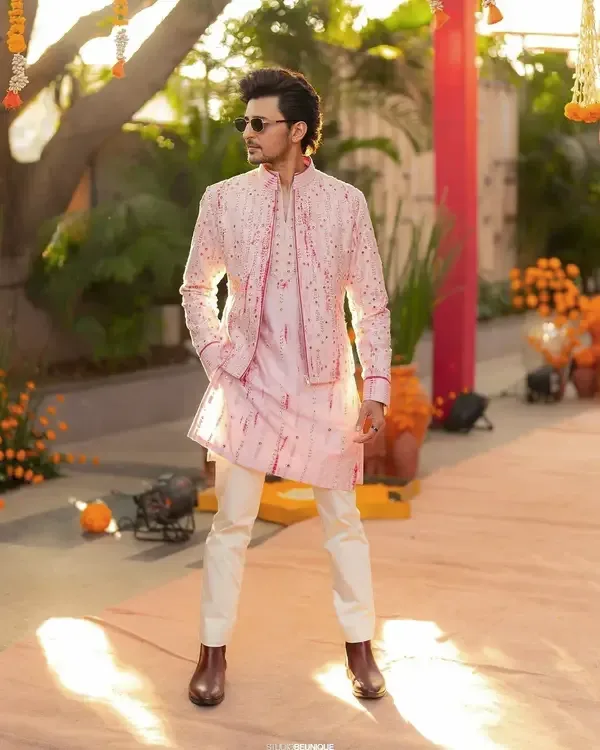
A Lohana wedding overseas takes real effort. Guests may travel from across three continents! Venues need to fit everyone thanks to years of networking. It's usually a Hindu ceremony featuring classic Lohana customs like saat pheras and kanyadaan led by a familiar pandit who might travel far due to those links.
Wedding meals combine cultures—Gujarati food meets Sindhi dishes for life abroad. The music brings this mix too. Amid all the modern vibes run deep emotions—the farewells from mothers to daughters or blessings from grandmothers matter regardless of location or generation.
What Lohana Families Look for in a Match
They want someone with good business sense, warmth, sincerity in faith, and ability to adapt while staying true to identity. Partners should navigate both professional dinners in London and meaningful family prayers smoothly. They're after someone who strengthens the family network instead of just fitting in.
- Diaspora spans multiple continents acting as both commercial and social support
- Vaishnav devotion combined with satsang helps define community life
- Community contacts serve as reliable intermediaries for introductions
- Wedding plans often involve international guests with regional rituals
- Mixing business acumen with loyalty is highly valued in a partner
Lohana Matrimony FAQs
Where do the Lohana people come from, and where are they now?
The Lohanas originally come from Sindh and Gujarat, in the Indian subcontinent. Over time, many moved for trade, so now you can find Lohanas in East Africa, the UK, Canada, the US, and Southeast Asia. Even though they're spread out, they still prefer marrying within their community and keep close family ties globally.
How does the Lohana community handle marriages between families in the diaspora and those in India?
These kinds of marriages happen a lot and are usually welcomed. Since everyone has similar cultural backgrounds and beliefs, adapting isn't too hard. Things like visas, job changes, and different lifestyle expectations get talked through openly when setting up these unions.
How does satsang fit into Lohana social and marriage life?
Satsang get-togethers are both spiritual and social; they’re key places for the Lohana community to network. Lots of people meet potential spouses through these satsang connections. A family that's often hosting or going to these events shows they’re really involved in the community, which looks good when people are considering marriage prospects.
What kul or sub-groups are important in Lohana marriage talks?
In the Lohana community, you’ll find different factors like kul (or clans), whether you're Gujarati or Sindhi, and sometimes what jobs families are known for. Most people prefer marrying outside their own clan. The cultural stuff can be a bit different between those with roots in Gujarat and Sindh, and might come up when families are discussing alliances.
Where Lohana Matrimony Matches Are Growing: top Indian states
With 2 profiles spread across major states, this map-style listing helps identify where Lohana matchmaking opportunities are most practical.
No state-level distribution available yet.
Lohana Matches Across Top Cities
Discover where Lohana brides and grooms are most active so your matchmaking search stays focused and practical.
All cities include verified active profiles updated regularly.
 App Store
 Play Store
