Lodhi Matrimony Profiles
Showing 6+ verified profiles · Lodhi
Corishta brings together 6+ verified options for Lodhi Matrimony Profiles. Whether families are browsing by community, city, or marriage intent, this section supports focused partner discovery.



🔒 View More Profiles
Register free to see full profiles, contact details, and photos.
- or -

Lodhi Matrimony – Solid Values, Proud Heritage
The Warrior Farmer's Legacy
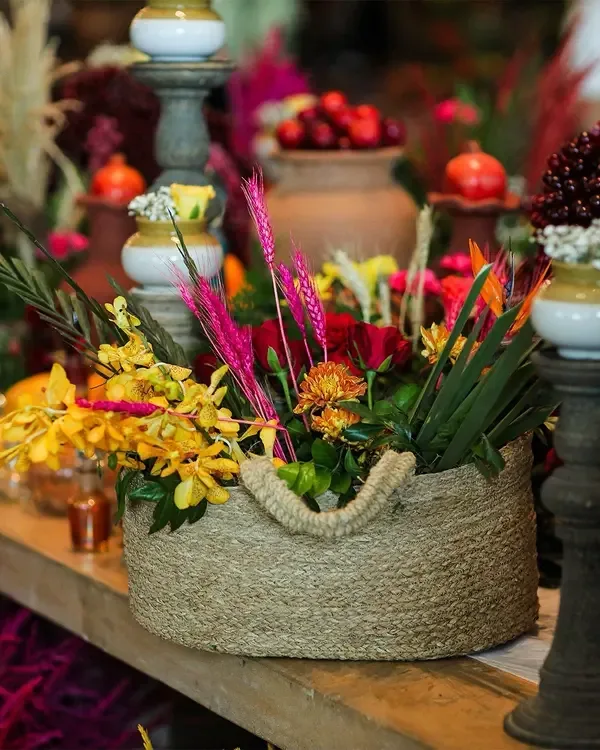
You’ll notice a lot of pride in Lodhi homes. It's about hard work, not just luck. The Lodhi community is Kshatriya agrarian, mainly in Uttar Pradesh, Madhya Pradesh, and Rajasthan. They’ve farmed land sought after by rulers and armies, holding onto it despite political ups and downs. It’s more than history; it’s part of their identity now. When a Lodhi elder gazes over his fields at sunset, he’s not just checking crops; he’s honoring his roots.
The Lodhi people, or sometimes Lodhi Rajput in certain areas, blend farming with a warrior past. In Madhya Pradesh, where some Lodhi leaders have become Chief Ministers, it shows they want more than just to till soil. In marriage, they look for partners who are capable—people who can grow with them.
Regional Identity and Community Structure
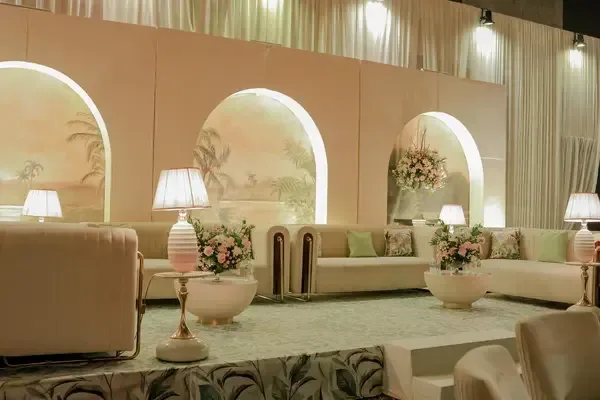
The Lodhi community varies by region. UP, MP, and Rajasthan Lodhis show different dialects, rituals, and marriage customs. While endogamy is standard, urban younger folks are starting to consider matches across state lines if they share cultural values.
Family identities like Chandel Lodhi or Baghel Lodhi work like gotras—they help figure out who can marry whom and family ties.
Wedding Customs and Community Celebrations
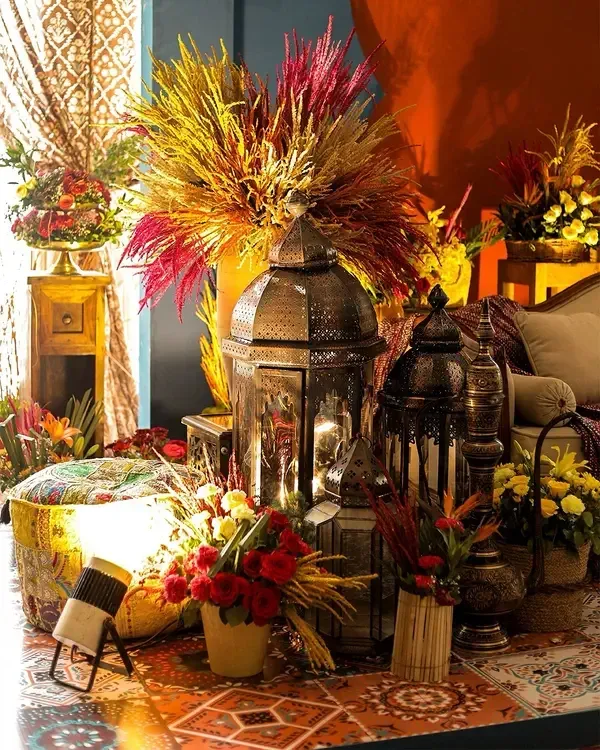
Lodhi weddings focus on community connections. The barat is lively and full of spirit. Traditional musicians lead the way while the dhol creates a proud beat for the groom’s family. The ceremonies include:
- Tilak ceremony This is when the bride's family officially accepts the groom with key elders from both sides present.
- Haldi and Mehndi Pre-wedding rituals happen separately at both families’ homes.
- Phere Vows are exchanged around a sacred fire using community phrases.
- Vidaai This emotional farewell for the bride often includes everyone from the village.
Values That Form the Core of Lodhi Matrimony
In Lodhi culture, hard work is normal—it’s expected. A family that farms its land well, pays bills promptly, and helps its community gains respect. If they don't? They get noticed for the wrong reasons. This unspoken rule affects how families see potential matches.
- Your job and land show stability.
- Your clan matters; how you act in your community counts as much as personal qualities.
- You need resilience—partners who handle pressure well are important.
- A job in government (like police or military) gets extra respect.
- If someone knows local politics? That’s usually appreciated too.
The Lodhi Professional of Today
Younger men and women from Lodhi families are stepping into engineering schools or law studies now. They’re making headlines as the first in their families wearing suits to work—and they mean business. Their views on marriage reflect this shift: they seek partners who are educated but also proud of their roots without letting them limit them.
This platform works for everyone—from village elders looking for brides for their daughters to young IPS officers in Bhopal wanting someone that understands their community path. Both need someone who truly gets them.
Lodhi Matrimony FAQs
Are Lodhis considered Kshatriya or OBC?
Lodhis are usually classified as OBC (Other Backward Class) in most states when it comes to reservations. Culturally, they see themselves as Lodhi Rajput or Kshatriya. This mix influences how they interact socially and think about marriage, and regional traditions might mean families identify in different ways.
How do sub-clans influence marriage choices in the Lodhi community?
Sub-clans like Chandel Lodhi or Baghel Lodhi are like lineage tags and affect who can marry who, similar to the gotra system. Usually, folks avoid marrying within their own sub-clan, so these identities help families figure out who they're allowed to match with.
Do Lodhi families from UP and MP often marry each other?
They're getting more common, especially as people move around for work or school. But still, families usually like to stick to their region because of customs, dialects, and community ties, unless they find a really good match otherwise.
What jobs are highly respected in Lodhi marriages?
Most Lodhi families really respect people in government jobs, especially in the army, police, and administrative roles. Owning agricultural land is also seen as a sign of stability. These days, careers like engineering and business are gaining more acceptance as young folks in the community go into these fields.
How much does Lodhi political identity matter when choosing a spouse?
In places like Madhya Pradesh and UP, Lodhi political identity plays a big role. People often look at how involved someone is in the community during marriage talks. Families who are visibly active in the community get looked at more favorably.
State-wise Lodhi Matrimony Opportunities in top Indian states
Families searching for Lodhi matrimony often prefer matches by language, lifestyle, and nearby regions; these state clusters highlight where most active options are available.
No state-level distribution available yet.
Lodhi Matches Across Top Cities
Discover where Lodhi brides and grooms are most active so your matchmaking search stays focused and practical.
City pages are refreshed with active profile availability for reliable matchmaking discovery.
 App Store
 Play Store
