Kunbi Maratha Matrimony Profiles
Showing 6+ verified profiles · Kunbi Maratha
Browse 6+ verified Kunbi Maratha Matrimony Profiles on Corishta. Families exploring suitable matches can review active profiles, shortlist preferences, and connect with genuine members.




🔒 View More Profiles
Register free to see full profiles, contact details, and photos.
- or -


Kunbi Maratha Matrimony: Traditions of Soil, Sword & Shared Futures
Between the Plow and the Throne

The Kunbi Maratha community holds a significant place in Maharashtra's history, combining farming with a warrior spirit. They started out essential to the Deccan economy before syncing up with the bigger Maratha community, keeping their roots.
In places like Vidarbha, Marathwada, and western Maharashtra, Kunbi Maratha households go at their own pace. Land isn't just land; it’s family history. Decisions around crops and marriage are both crucial. Assessing a potential son-in-law isn’t just about education or wealth but also about whether he can work with the land.
Community Identity and Sub-Group Diversity

The Kunbi Maratha comprises several sub-groups: Tirole Kunbi from Vidarbha, Jadav Kunbi, Lewa Kunbi, and Zade Kunbi. These differences lead to different marriage customs—a Tirole family from Nagpur might follow different traditions than those in Satara. When looking for matches, knowing your sub-group matters.
Wedding Traditions and the Maratha Spirit

A Kunbi Maratha wedding reflects Maharashtra's agricultural roots. The Kelvan ceremony is held the night before when the bride’s family shares meals over firewood—usually puran poli, shrikhand, and veggies. Local women come early to help prepare.
The actual wedding happens under a mandap, decked out with sugarcane and mango leaves while a priest performs Vedic rites. During the Antarpat, there's a cloth screen between bride and groom that drops when it’s time—pretty emotional! There’s often clapping mixed with tears when they finally see each other.
- Sakhar Puda: Engagement with gifting sugar.
- Haldi ceremony: Turmeric applied amid traditional songs.
- Munjavand: Sacred thread ceremony for the groom's side.
- Antarpat and Saptapadi: Key rituals around sacred fire.
Values, Land, and the Maratha Ethos
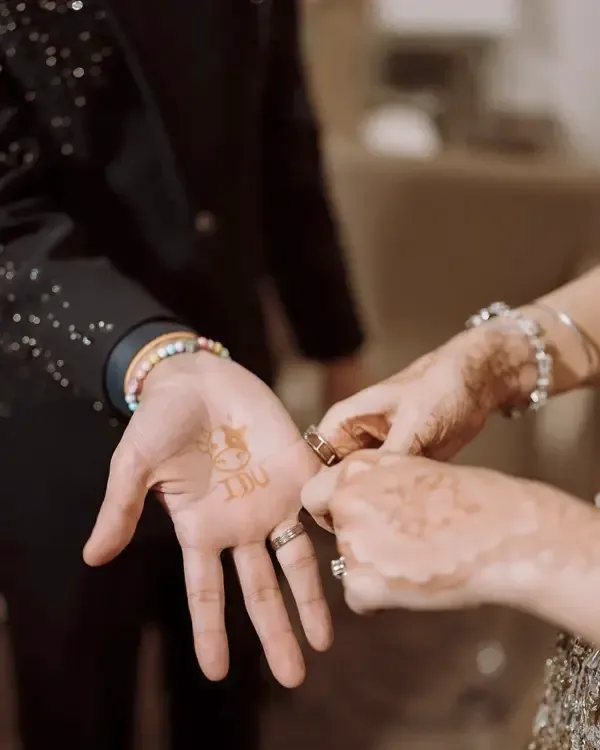
The phrase Maratha Tituka Melvava (“Let’s unite”) sums up how Kunbi Marathas approach life; self-reliance is key. Families who've farmed take pride in calloused hands—sunburn marks signify hard work.
- Respects farming roots while pursuing a corporate career.
- Actively joins family gatherings.
- Knows how land connects to identity.
- Puts emotional reliability over being only financially driven.
- Takes pride in speaking Marathi while honoring local culture.
Changing Aspirations in the New Generation
Younger Kunbi Marathas are managing two worlds these days. Many go off to universities in Pune, Nashik, or even Mumbai, studying engineering or teaching but come home for weddings or festivals to maintain ties. They want partners who can fit into both casual rural visits for zunka bhakar and nice corporate events without feeling out of place.
This platform helps Kunbi Maratha families create profiles that show this mix well. Whether based in Latur or Kolhapur or Agra—or tied to farming or office jobs—we know you need a match who understands your background while progressing together.
Kunbi Maratha Matrimony FAQs
How are Kunbi and Maratha different in matrimony stuff?
Kunbi is about the farming communities in Maharashtra, while Maratha usually means the warrior and ruling groups. Over time, lots of Kunbi families have mixed into the Maratha group, so you'll hear Kunbi Maratha as a category. In marriage talks, folks pay more attention to sub-groups like Tirole, Lewa, or Zade than just "Kunbi Maratha.
What's the Antarpat ritual in Kunbi Maratha weddings all about?
Antarpat is when a silk cloth is held between the bride and groom at the start of the ceremony. At just the right moment, called muhurta, the cloth is dropped so they can see each other as husband and wife for the first time. There's also a bit of a celebration with conch shell sounds and flower showers.
Does owning land matter when talking about Kunbi Maratha marriages?
For sure, especially in the countryside and smaller towns, owning land still plays a big part in looking at family background and stability. But for educated families in cities, job and character matter more, since many aren’t relying on farming as much these days.
How do Kunbi Maratha families handle that first meetup between potential matches?
They usually gather at the girl's place with both families there, plus some community elders or matchmakers. They chat about family stuff, education, jobs, and what they're looking for. Often, the couple can have a bit of alone time to talk after the families have their discussion.
Does the Kunbi Maratha community accept inter-caste or inter-community marriages?
Inter-community marriages aren’t common in traditional Kunbi Maratha families. They usually need a lot of convincing and social talks. In cities, younger and educated folks go for these kinds of marriages more often, but getting the family on board often means making sure values line up, not just feelings.
Best State-wise Destinations for Kunbi Maratha Matrimony: Maharashtra
Use this distribution to compare Kunbi Maratha profile availability across regions and prioritize states with better response and compatibility potential.
Kunbi Maratha Matches Across Top Cities
Discover where Kunbi Maratha brides and grooms are most active so your matchmaking search stays focused and practical.
City pages are refreshed with active profile availability for reliable matchmaking discovery.
 App Store
 Play Store
