Kshatriya Matrimony Profiles
Showing 47+ verified profiles · Kshatriya
Find Kshatriya Matrimony Profiles through 47+ verified profiles on Corishta. The listing is designed to make shortlisting easier for families looking for compatible and genuine matrimony matches.




🔒 View More Profiles
Register free to see full profiles, contact details, and photos.
- or -



Kshatriya Matrimony: Find Your Warrior Legacy & Perfect Match
The Kshatriya Code: Duty, Honor, and Protection
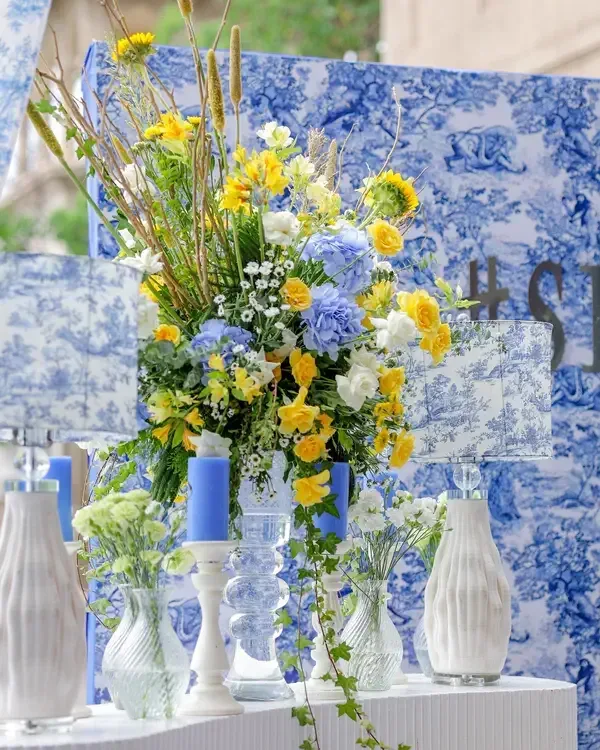
The Kshatriya varna is all about warriors in Indian culture: they lead and protect. It's a big part of how Kshatriya families raise kids. In their homes, discipline is key—punctuality counts. Commitments mean something. Kids learn to be strong both physically and mentally. And the family's honor? It's shared like a team effort.
The Diversity Within Kshatriya Identity

Kshatriyas are a mix of communities all over India. In the north, there are Rajputs. But you've got Thakurs in UP and Uttarakhand, Bhumihars in Bihar, Marathas in Maharashtra, Reddys and Kammas from Andhra Pradesh and Telangana, Vokkaligas of Karnataka, Nairs of Kerala, Velamas in Andhra, and Ranas near Nepal—all claiming Kshatriya roots. Each has its own history but shares that warrior vibe.
Kshatriya Marriage Traditions
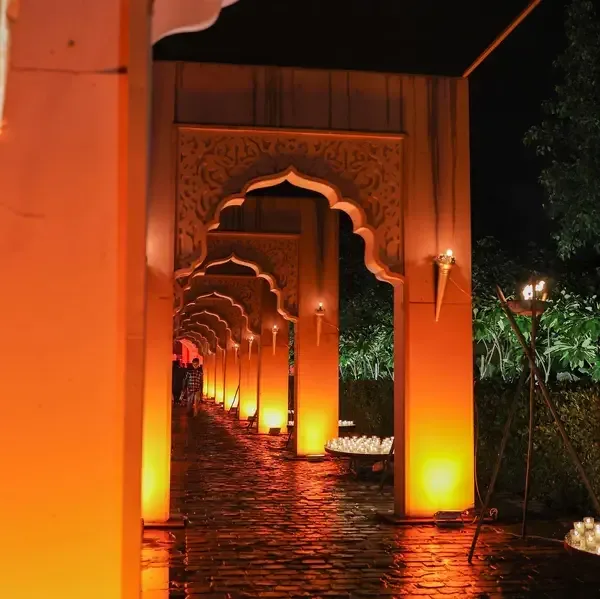
Kshatiyra weddings highlight family dignity and social status. They’re public shows—not just private moments. The groom makes his family's prestige known—whether he's on a horse or joined by a bada baraat showing off pride. Grooms in North India often wear fancy sherwanis with sehra to play up that royal warrior look. Ceremonies usually include symbolic swords.
Most rituals connect to Hindu traditions, especially around Saptapadi. The Kanyadan is significant—the father gives away his daughter while passing on his sacred duty to someone worthy. And don't forget the Tilak ceremony—it’s all about family pride.
What Kshatriya Families Look for in a Match
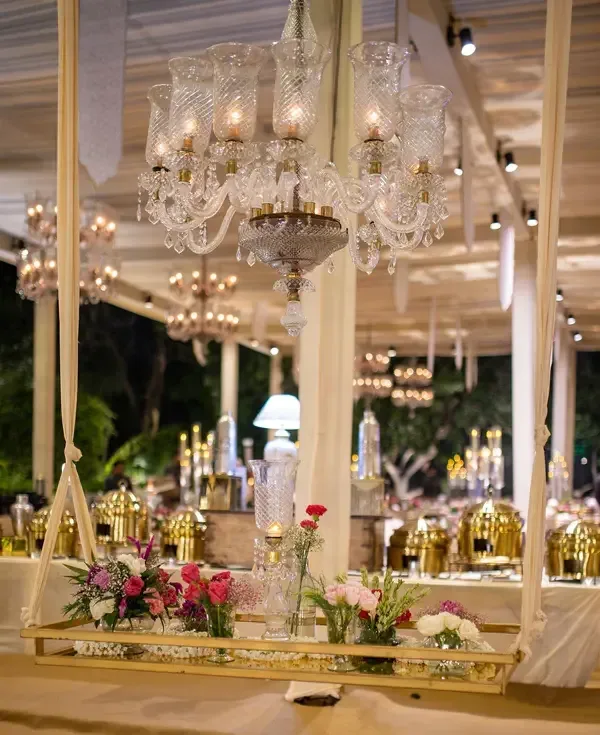
An ideal match combines bravery with social responsibility. Professions like military or civil service are still really respected—but today things like engineering or business also show leadership and protection skills. A young Kshatriya who's made real achievements gets noticed.
Family honor is essential—we're talking reputation here. A great daughter-in-law handles gatherings well and communicates kindly without being aggressive; she knows family reputation is also her deal too.
- Regional identity (Rajput, Nair, Reddy, Thakur, Vokkaliga) needs region-specific searches
- Military and civil professions still hold high respect
- Swords appear often as symbols in wedding customs
- Collective family honor matters beyond individuals
- Mental discipline & physical confidence are core to Kshatriya culture
Kshatriya Matrimony Online
Kshatriya matrimony searches should focus on regional specifics—you need to choose your community (Rajput,Nair, Reddy, Thakur,etc.). A profile showing your career success along with representing family's honor will attract responses aligned with those key values: discipline and commitment.
Kshatriya Matrimony FAQs
What communities fall under the Kshatriya category in matrimony?
The Kshatriya category covers different groups like Rajputs, Thakurs (in UP and Uttarakhand), Bhumihars in Bihar, Marathas sometimes, Reddys and Kammas (in Andhra and Telangana), Vokkaligas in Karnataka, Nairs in Kerala, and Velamas. They all have their own regional cultures. When looking for a match, it's good to be clear about the specific community.
What are the most respected jobs in Kshatriya marriages?
Military service is held in high regard because it fits the Kshatriya warrior role best. Jobs in civil services are also seen as prestigious. Today, roles in engineering leadership, medicine, and business with authority and responsibility are also well-respected by Kshatriya families.
Why is a sword part of Kshatriya weddings?
The sword stands for Kshatriya identity, showing the warrior's role in protecting and honoring traditions. In Kshatriya weddings, you often see a ceremonial sword as part of the event to link the new couple to the family's martial background.
What's different about Kshatriya communities in terms of marriage traditions in different regions?
They really can vary a lot. For example, a Nair family in Kerala practices matrilineal traditions, which is quite different from a Rajput family in Rajasthan that follows patrilineal rules. Even wedding rituals, the language spoken, the food they serve, and other social customs change from region to region. The place they come from is often the main factor when it comes to Kshatriya marriages.
How do people check family honor in Kshatriya marriage searches?
They look at how the family's viewed in the community, how family members act at social events, their jobs, and if they've stuck to their commitments and relationships. A family with a good reputation and manners stands out as a solid choice for a Kshatriya marriage match.
Best State-wise Destinations for Kshatriya Matrimony: Odisha, Uttar Pradesh, and Gujarat
Use this distribution to compare Kshatriya profile availability across regions and prioritize states with better response and compatibility potential.
Browse Kshatriya Matrimony by Cities
Use these city pages to compare Kshatriya matrimony matches and connect with families seeking serious marriage alliances.
City pages are refreshed with active profile availability for reliable matchmaking discovery.
 App Store
 Play Store
