Koshti Devang Matrimony Profiles
Showing 2+ verified profiles · Koshti Devang
Corishta brings together 2+ verified options for Koshti Devang Matrimony Profiles. Whether families are browsing by community, city, or marriage intent, this section supports focused partner discovery.
Koshti Devang Matrimony – Weaver Heritage and Textile Soul
Thread by Thread, a Culture is Made
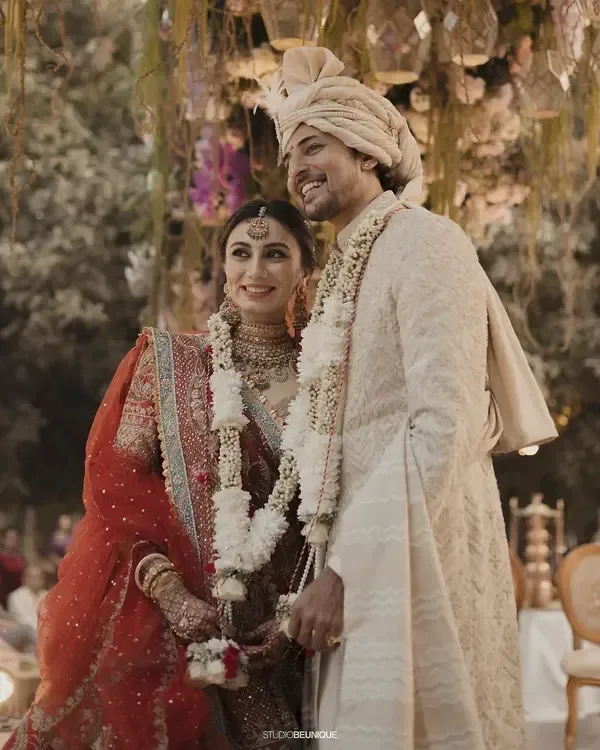
There is a particular kind of intelligence required to weave. Not the intelligence that scores well on examinations, though that intelligence exists abundantly in the Koshti Devang community. The intelligence of weaving is spatial, temporal, and tactile simultaneously it requires holding a pattern in mind across thousands of individual movements, each one contributing to a whole that cannot be seen until it is finished. This intelligence, cultivated over centuries in Koshti Devang workshops across Maharashtra and Gujarat, has produced a community with a distinctive way of thinking: patient, systematic, and capable of extraordinary precision over long time horizons.
The Koshti Devang community named after the weaving caste (Koshti) and the Devang sub-tradition has historically specialized in fine cotton and silk weaving, producing textiles that were prized across trade networks. The craft has evolved; modern Koshti Devang families may run textile businesses, design studios, or have moved entirely into professional careers. But the weaver's sensibility the attention to pattern, the respect for process, the understanding that quality cannot be rushed remains in the culture's DNA.
The Koshti Devang Home: Pattern and Warmth
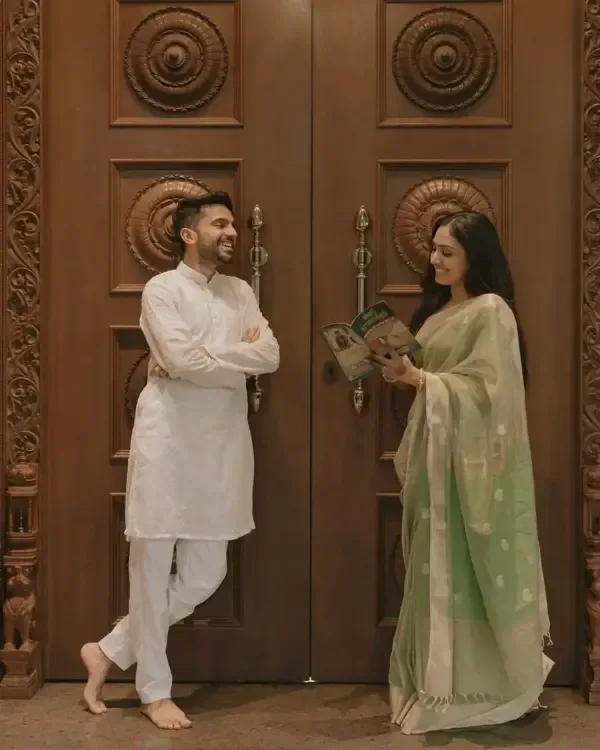
A Koshti Devang home has a characteristic quality of care in its domestic arrangements. Textiles appear everywhere in the choice of furnishings, in the saris worn on formal occasions, in the specific fabric of the wedding canopy. These are not merely decorative choices; they are statements of craft knowledge. An elder in a Koshti Devang home can identify the weave structure, origin, and approximate age of a textile at a glance.
The community's devotion to specific deities Vitthal, Hanuman, and specific kula devatas is expressed through the textiles used in worship. The cloth offered to the deity at the annual kul puja, the specific pattern of the wedding canopy fabric, the sari worn by the mother during the wedding ceremony: each of these is a craft statement and a devotional act simultaneously.
Matrimonial Meetings: Precision and Warmth Combined
Koshti Devang families approach matrimonial meetings with the same dual quality that characterizes their craft: precision and warmth working together rather than in opposition. They will be genuinely hospitable the food will be excellent and plentiful and they will be genuinely thorough. The assessment is careful and comprehensive, covering family background, educational qualification, personal character, and the cultural compatibility that shows up in small ways: how the prospective match speaks about work, how they handle being assessed, whether they carry themselves with the kind of quiet self-possession that indicates a grounded personality.
The textile business background, where it exists, creates a natural conversation starter discussions about market conditions, specific fabric types, the challenges of maintaining quality in a competitive environment that serves the dual purpose of evaluating business acumen and establishing comfort between the two families.
Weaving the Festival Calendar
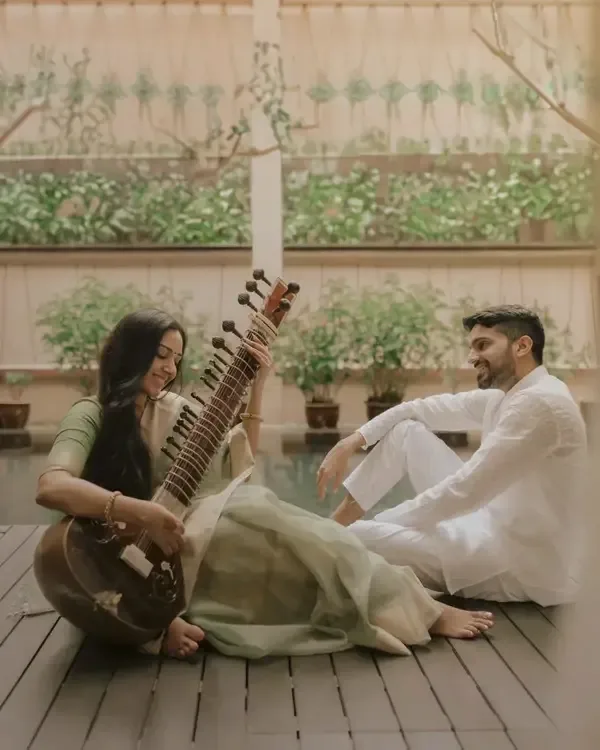
The Koshti Devang community's festival life is organized around both the Hindu calendar and the production calendar of the craft. Certain festivals drive significant textile production weddings, Diwali, and other major occasions require specific fabrics that Koshti Devang workshops have traditionally supplied. The annual community gatherings and craft exhibitions function simultaneously as religious events and professional forums.
Makar Sankranti has particular significance in the weaver community the exchange of til-gul (sesame and jaggery sweets) is accompanied by the exchange of specific textile gifts that affirm community bonds. The specific fabrics chosen for these exchanges carry encoded messages about the family's standing and intentions that are legible to anyone who grew up in the tradition.
What the Koshti Devang Community Values in Marriage
Patience, precision, and the willingness to work toward a long-term result without demanding immediate gratification: these are the qualities that the Koshti Devang community most admires, because they are the qualities the craft itself demands. A partner who is steady, who can appreciate the value of careful work, and who brings their own form of expertise to the marriage whether in textiles, in technology, in medicine, or in education will find a deep welcome in a Koshti Devang family.
- Weaving heritage creates distinctive aesthetic sensibilities carried into domestic and professional life
- Textile knowledge is both cultural capital and practical commercial knowledge
- Makar Sankranti and specific kul puja observances are community-specific calendar events
- Pattern-thinking and long-horizon planning are characteristic community qualities
- Modern families span engineering, textiles, education, and the arts while maintaining craft pride
Koshti Devang Matrimony FAQs
What is the geographic and cultural origin of the Koshti Devang community?
The Koshti Devang community has its roots primarily in Maharashtra and parts of Gujarat, where weaving communities settled along major textile production centers. The Devang designation refers to a specific sub-tradition within the broader Koshti weaving caste. The community maintains distinct cultural practices including specific kul devata worship, festival traditions, and endogamous marriage preferences.
Is textile or weaving business background still relevant in Koshti Devang matrimony?
Heritage connection is valued even when active workshop involvement has ended. Many families maintain connections to textile trade, design, or manufacturing while others have moved into completely different professional fields. A partner who can appreciate the significance of craft heritage—without necessarily practicing it—is generally welcomed.
What are the important pre-wedding rituals in a Koshti Devang wedding?
Pre-wedding rituals include haldi, kelvan, and kul devata visits specific to the community's tradition. The selection and display of specific textiles—for the wedding canopy, the mother's sari, and the bride's trousseau—carries ceremonial significance. Community elders and craft guild connections may play a role in blessing the new couple.
How does the Koshti Devang community approach dowry and financial arrangements?
Modern Koshti Devang families have largely moved away from formal dowry arrangements, particularly in urban and educated households. The emphasis is on building a fair and transparent alliance. Textile gifts—specific high-quality handwoven fabrics—remain a traditional component of the wedding exchange that carries symbolic rather than purely financial significance.
Best State-wise Destinations for Koshti Devang Matrimony: top Indian states
Families searching for Koshti Devang matrimony often prefer matches by language, lifestyle, and nearby regions; these state clusters highlight where most active options are available.
No state-level distribution available yet.
Koshti Devang Matches Across Top Cities
Discover where Koshti Devang brides and grooms are most active so your matchmaking search stays focused and practical.
All cities include verified active profiles updated regularly.