Koli Matrimony Profiles
Showing 21+ verified profiles · Koli
Find Koli Matrimony Profiles through 21+ verified profiles on Corishta. The listing is designed to make shortlisting easier for families looking for compatible and genuine matrimony matches.




🔒 View More Profiles
Register free to see full profiles, contact details, and photos.
- or -




Koli Matrimony – Strong Traditions, Lasting Bonds
Born of the Sea, Bound by Community
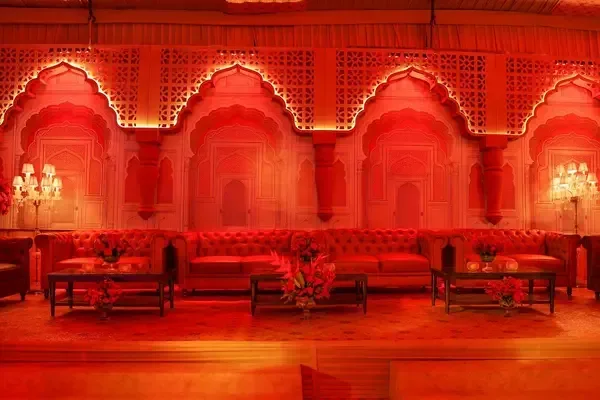
The Koli identity is all about water. For generations, Koli families have lived by the tide—the pull of fishing nets before dawn, counting the day’s catch on the shore, and singing festival songs to the sea goddess before heading out. This strong tie to nature has made for a community that’s tightly-knit, emotionally open, and takes pride in its heritage.
Koli communities line India's coastlines and riverbanks, and no matter where they are, they share the same spirit. Homes filled with laughter, plenty to eat, and voices that rise in joy. When Koli families gather for weddings, you can feel the buzz. They celebrate hard because they work hard and love deeply—facing life by the sea teaches them to cherish each moment.
Sub-Groups and the Rich Diversity Within
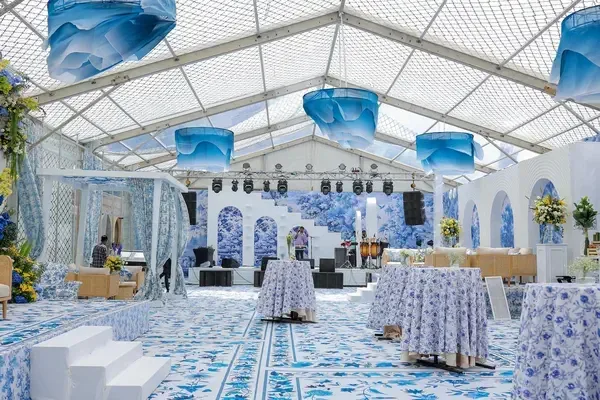
The Koli community isn’t one-size-fits-all. There are Mahadev Koli, Malhar Koli, Son Koli, Mangela Koli, Bhoi Koli—each sub-group has its history and connections. Many start their matrimonial search within their sub-group, but inter-group marriages are more common now as people come together and share values that go beyond old divisions.
No matter which sub-group they belong to, there's a strong community-first mindset. Marriage decisions aren’t just personal—it's a family affair where elders and councils like the panch play key roles. This isn’t seen as limiting; it’s about protection since everyone looks out for each other.
Wedding Customs Blessed by the Sea
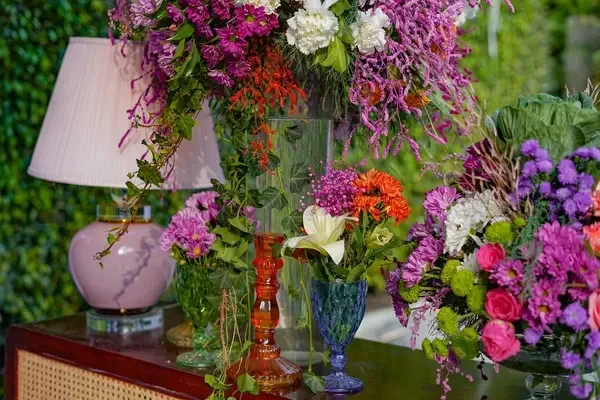
Koli weddings are alive with sound and color. The tarpa dance features that unique tarpa instrument during celebrations. Women wear traditional nine-yard saris with eye-catching blouses, and meals usually include local fish dishes that feel like both a feast and a blessing.
The macchli puja, or offering to the fish goddess before weddings in some communities, seeks blessings for couples' futures. You see grooms arriving with traditional flair while garlands are exchanged amid drumming and community songs—a setup that's been cared for through years.
A New Generation Navigating Old Tides
The Koli community has stepped up its focus on education and diverse jobs steadily. First-generation grads who once only dreamed of stability now thrive in fields like banking, tech, healthcare, and public service. This shift is changing what families look for in a partner—now education matters more than ever alongside the need for emotional connection.
Younger Koli women are shaking things up in how Koli brides are perceived. They come with skills and self-assurance wanting equality in partnerships while holding onto cherished traditions like festival songs and shared meals—all while honoring those deep sea goddess blessings.
- Koli sub-group specific search filters
- Community-verified profiles outlining family backgrounds
- Help for both arranged and consent-driven introductions
- A profile structure blending tradition with modern details
- Multilingual support catering to different regions of the Koli community
The ocean teaches patience; finding the right partner means trusting not just yourselves but also each other. Start your search with us so we can help two families join!
Koli Matrimony FAQs
What are the main sub-groups in Koli marriages?
In the Koli community, there are different sub-groups like Mahadev Koli, Malhar Koli, Son Koli, Mangela Koli, and Bhoi Koli. Each has its own jobs and traditions. A lot of families still like finding matches within their sub-group.
What's the tarpa dance in Koli weddings?
The tarpa dance is a traditional Koli folk dance and it comes with music from the tarpa, this cool wind instrument that's got kind of a haunting sound. People do it at weddings and other community events to celebrate and show off their culture.
How does the community council play a part in Koli marriages?
In a lot of Koli communities, the panch or council gives advice on marriage stuff. The elders help make sure matches fit what the community wants and step in if there are any disputes.
Do matrimonial sites have a good number of educated Koli brides and grooms?
Definitely, and the number keeps growing. The last couple of generations in the Koli community have really focused on education. Now, you’ll find a lot of profiles from Koli graduates and professionals who are looking for well-educated partners.
What do they eat at Koli weddings?
They usually have feasts with freshwater and coastal fish dishes. Some places even do something called macchli puja, which is an offering to the fish goddess, before the wedding.
Where Koli Matrimony Matches Are Growing: Maharashtra, Uttar Pradesh, and Delhi
With 21 profiles spread across major states, this map-style listing helps identify where Koli matchmaking opportunities are most practical.
Find Koli Brides & Grooms in Major Cities
Explore city-wise matchmaking options for Koli to shortlist compatible profiles for marriage in active local hubs.
All cities include verified active profiles updated regularly.
 App Store
 Play Store
