Khatik Matrimony Profiles
Showing 5+ verified profiles · Khatik
Find Khatik Matrimony Profiles through 5+ verified profiles on Corishta. The listing is designed to make shortlisting easier for families looking for compatible and genuine matrimony matches.




🔒 View More Profiles
Register free to see full profiles, contact details, and photos.
- or -

Khatik Matrimony: Strength, Community & Labor Bonds
Built by Hands, Shaped by Hardship
The Khatik community's history hasn’t been easy at all, but they don't get stuck in the past. They keep fighting to move on and improve their lives. Traditionally, they've worked in butchery and leather crafts. Yeah, they’ve dealt with stigma and judgment, yet they find ways to adjust and move forward. These days, you’ll see Khatiks taking on roles you might not expect—like teachers or engineers—because they want something better for future generations. It’s like a refreshing take on life for them.
Community Identity Across Regions

You can actually find Khatiks spread out across northern and central India; locations like Uttar Pradesh, Madhya Pradesh, Rajasthan, and Maharashtra have notable populations. The specific identities of Khatiks can depend heavily on the region and family background. Some identify as Hindu while others align themselves with Islam—especially in UP where some Muslim butchers see themselves as part of the Khatik identity. When families are searching for matches, things like religion and regional connections really matter.
Marriage Customs and Community Bonds
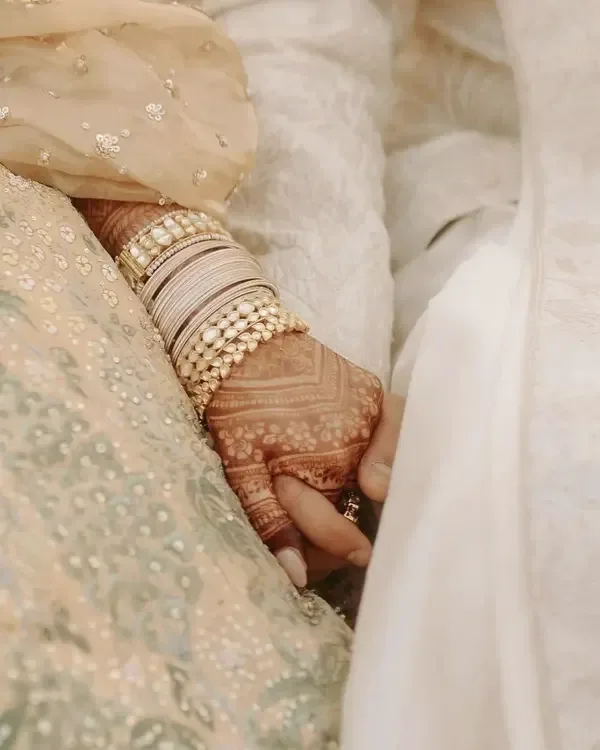
Khatik weddings aren’t just individual events—they become community festivals. Everyone pitches in—the whole neighborhood gets involved, cooks together, cleans up whatever needs doing, and just enjoys being together rather than relying solely on professionals for everything. It reflects their core values: your actions can affect the happiness of everyone around you.
- Engagement (Sagai/Tilak) This usually needs witnesses from the community along with blessings from respected elders.
- Haldi and Mehendi These pre-wedding rituals burst with local engagement and participation—it becomes quite the fun.
- Phere The vows taken during the wedding happen around a sacred fire, adding local customs along the way.
- Community feast After everything's said and done, there’s a big meal where everyone welcomes the newlywed couple into their new journey together.
What Khatik Families Value in Matrimony
- A dependable job that can easily be verified—positions like government roles or steady businesses are a must.
- Loyalty to one’s roots within the community—not shying away from their backgrounds is crucial.
- Emotional warmth—someone who offers support through tough times as well as during happier moments.
- A true respect for the story behind their journey—seeing challenges as stepping stones instead of burdens.
- The importance of education—especially valuing first-generation graduates who gain considerable respect back home.
Rising With Dignity
Khatik Matrimony FAQs
Are Khatik people considered Hindu or Muslim for match-making?
The Khatik community includes both. There are Hindu Khatiks mostly in UP, MP, and Rajasthan, and there are also Muslim Khatiks, known as Qassabs, mainly in some cities in UP. When it comes to matchmaking sites, they usually separate these groups and check religious fits as a basic step.
What education and job achievements matter in Khatik marriages?
In the Khatik community, degrees in fields like engineering, medicine, and law are a big deal. Jobs in government are also prized for their stability and respect. A lot of younger folks have MBAs or technical degrees these days too.
How does the Khatik community deal with stigma when it comes to marriage?
They're starting to really focus on their strengths, like loyalty and how far they've come socially in recent generations. When it comes to marriage, families look at who you are now, how stable your job is, and what your plans for the future are.
What is community loyalty in Khatik matrimony all about?
Community loyalty means the person you're considering marrying doesn't deny or push away their roots just to fit in socially. A Khatik family appreciates someone who joins community events, stays linked to their group, and doesn't feel embarrassed about their family background when society pushes back.
Do people in the Khatik community marry outside their community?
It's not very common in traditional Khatik families where sticking with their own is big. But in cities or among folks with more education, personal compatibility is becoming a bigger deal, although getting the family's approval is still a big part of it.
Top States for Khatik Matrimony Matches: Delhi
Khatik matrimony demand varies across India, and these top states show where verified profiles and serious matchmaking intent are strongest right now.
Khatik Matches Across Top Cities
Discover where Khatik brides and grooms are most active so your matchmaking search stays focused and practical.
All cities include verified active profiles updated regularly.
 App Store
 Play Store
