Sitapur Hindu in Sitapur Matrimony Profiles
Showing 8+ verified profiles · Hindu · Sitapur · Sitapur
Corishta brings together 8+ verified options for Sitapur Hindu in Sitapur Matrimony Profiles in Sitapur. Whether families are browsing by community, city, or marriage intent, this section supports focused partner discovery.
🔒 View More Profiles
Register free to see full profiles, contact details, and photos.
- or -
Hindu Matrimony in Sitapur – Awadhi Roots, Quiet Devotion
Sitapur: Where the Ganges Plain Holds Its Oldest Truths
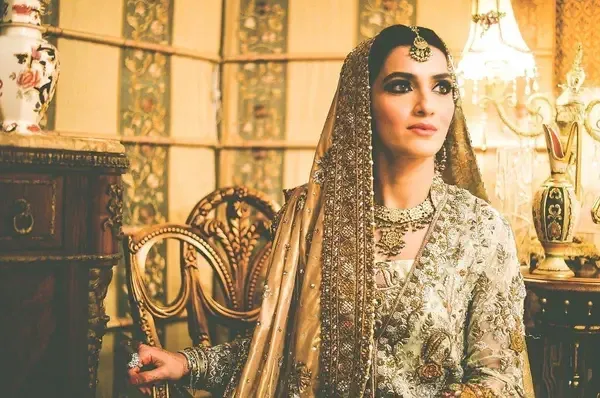
Sitapur is one of Uttar Pradesh's quieter districts – not a headline city but a deeply inhabited one, with a population that has lived on the rich alluvial plains of the Ghaghra and Sarayan rivers for generations. The agricultural cycles here are lived, not observed. When a Sitapur family talks about a good year, they mean rainfall and paddy yields alongside school results. Marriage in Sitapur is embedded in this agricultural-spiritual calendar – the best wedding season aligns with the harvest completion, and the worst time to hold a wedding is during the fields' active planting months when the family cannot afford to leave the land.
Hindu Matrimony in Sitapur's Awadhi Tradition

Sitapur's Hindu marriage culture is rooted in the Awadhi tradition of central-eastern Uttar Pradesh. Brahmin, Yadav, Kurmi, Thakur, and Kayastha communities form the matrimonial landscape here. The Brahmin community, which retains strong traditional authority through its priestly and landowning history in the region, follows strict gotra rules and kundali matching. The Thakur (Kshatriya/Rajput) community evaluates matches on clan prestige and agricultural land ownership as much as professional standing.
The Sitapur Hindu wedding is a community event that happens across three days. The Ganesh puja begins the formal ceremony. The haldi, applied by maternal relatives in a ceremony that involves considerable folk singing, is followed by the baraat the following evening. The pheras conducted in the middle of the night are the ceremonial heart, and the bidaai the next morning – where the bride leaves her father's home – is the most emotionally charged moment in a Sitapur wedding, often involving the entire neighbourhood in collective tears.
Sitapur's Matrimonial Criteria Across Communities
- Government service – particularly teachers, police, and revenue department staff – is the universally respected professional standard
- Agricultural land ownership gives a family standing regardless of professional status
- Gotra matching is mandatory in Brahmin families and observed in many other communities
- A girl's family's vegetarianism and home puja practice signal cultural compatibility
- Girls who have passed Class 12 or graduated from the district's colleges are preferred; higher education abroad or in major metros makes a girl appear less accessible
Sitapur's Migration and the Pull of Home

Sitapur sends its young men to Lucknow, Delhi, and the Gulf in significant numbers. Teachers, engineers, and factory workers from Sitapur have built careers across North India and beyond. When they come home to marry, they want the comfort of a family-approved match from the same cultural roots. The girl who speaks Awadhi at home, who knows the rituals of Kartik puja and Chhath, and whose family in Sitapur will be a living connection to the homeland – this is what the migrant son from a Sitapur family wants, even if he has lived in Delhi for eight years.
The women of Sitapur who have studied in Lucknow or at SGPGI carry a quiet ambition that their families are beginning to honour. A daughter who is a nurse, a teacher, or a government clerk is now a matrimonial asset rather than a complication. The match they seek is someone educated and employed, stable enough to provide, and respectful enough to honour her family's roots.
The Matrimonial Social Life of Sitapur
The Naimisharanya pilgrimage site – one of the most sacred in Hinduism and located just outside Sitapur – draws thousands of pilgrims from the region. Families from across the district converge there during major puja cycles, and matrimonial conversations are as common as devotional ones. The district mela at Lakhimpur Kheri (the adjacent district), the harvest festivals, and the Navratri and Ram Navami celebrations at the town's main temple are all social gathering moments that feed the matrimonial network.
Corishta for Sitapur Hindu Matrimony
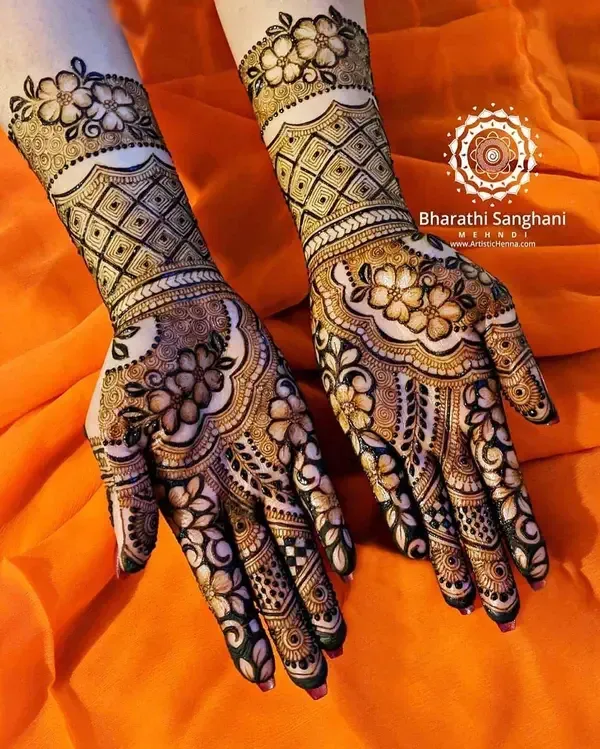
Corishta's Sitapur Hindu search connects families across UP and the diaspora with profiles that carry genuine Awadhi-region cultural rootedness. Community, profession, family background, and residential status are all searchable. For Sitapur families who want a thorough look at a profile's family background before making the first call, Corishta's detailed structure provides the necessary foundation.
Sitapur - Location Map
Explore the area and discover matrimony profiles near Sitapur.
Sitapur Matrimony FAQs
Which Hindu communities dominate matrimony in Sitapur?
Brahmin, Yadav, Thakur (Rajput), Kurmi, and Kayastha communities are the main matrimonial groups. Agricultural landowning families from all these communities carry strong social standing. The Brahmin community has particularly structured matrimonial networks through its pandit connections.
Is Naimisharanya relevant to Sitapur Hindu matrimony?
Yes. Naimisharanya, one of Hinduism's most sacred pilgrimage sites, is located in Sitapur district. Families consider it an auspicious location for marriage-related pujas, and pilgrimages there during major festivals double as community social events where matrimonial discussions take place.
How do Sitapur families view educated girls in matrimonial evaluations?
Educated women – particularly government employees and teachers – are increasingly valued in Sitapur matrimony. The family's cultural adherence (vegetarianism, puja practice) is assessed alongside the education level. A girl who is educated and culturally rooted is the ideal profile.
Do Sitapur families accept grooms who are migrant workers in other cities?
Yes, provided the groom's family roots are in Sitapur or the broader UP region. Grooms working in Delhi, Lucknow, or the Gulf who maintain their family ties and cultural practices are acceptable and often preferred for their financial stability.