Sindhi Hindu Matrimony Profiles
Showing 24+ verified profiles · Hindu · Sindhi
Corishta brings together 24+ verified options for Sindhi Hindu Matrimony Profiles. Whether families are browsing by community, city, or marriage intent, this section supports focused partner discovery.




🔒 View More Profiles
Register free to see full profiles, contact details, and photos.
- or -




Sindhi Matrimony – Meet Your Perfect Partner Today
Sindh in the Soul, India in the Heart

The Sindhi community can really bounce back. After Partition took them from Sindh, they came to India with just memories and determination. What they've built is quite a story in Indian history.
A Sindhi wedding isn’t just about the couple. It’s about the community that creates belonging.
Who Are the Sindhis?
Sindhi Hindus mainly live in Mumbai, Pune, Ahmedabad, Delhi, Hyderabad, and Ulhasnagar. You’ll also find them in the UK, UAE, and US. Their language, Sindhi, traces back to the Indus Valley civilization while holding unique cultural identities as a socially mobile group in India.
They include sub-divisions like Amil (pros), Bhaibund (traders), and Lohana Sindhis. Each has its own customs and work backgrounds. Most are non-vegetarian (with some exceptions), business-minded, and enjoy gatherings.
A Sindhi Wedding: Colour, Ritual, and Emotion
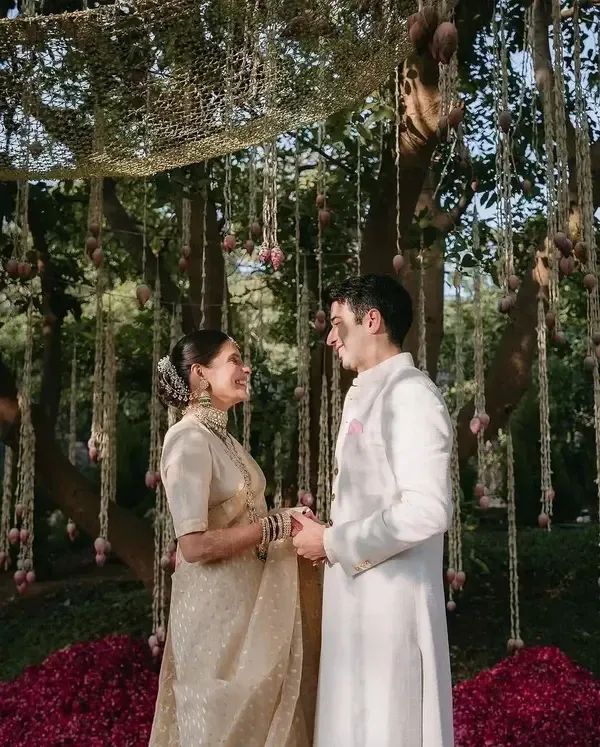
Sindhi weddings can stretch for days filled with fun rituals. It kicks off with the Pithi (turmeric ceremony), then the Diwaro (wall decoration), and wraps up with the Lagan (the marriage). Brides wear fancy outfits—mostly deep red or maroon—and grooms show up with grand processions.
The sacred fire is important; traditional ladha songs are everywhere. The food's a big deal: classics like dal pakwan, sai bhaji, sindhi kadhi, and koki mix with modern choices keeping culture alive.
What Sindhi Families Value in a Match
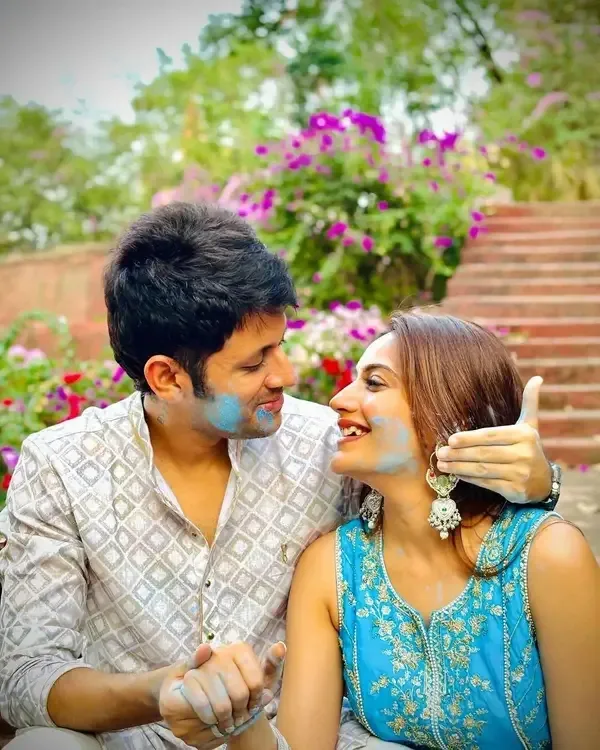
Sindhi families look for solid business skills; partners who understand finances matter a lot. But it's not just money; loyalty to family counts too. Respecting parents is key here. And hospitality? Guests always get treated well.
- Financial stability matters for future partners.
- Cultural identity is important to many.
- Tight-knit family ties matter—even distant relatives are included.
- Good education counts; they represent well across fields.
- Initially, matches within their community are common.
Modern Sindhi Love Stories

The idea of meeting over chai at a relative's place still exists. But these days, many families use online matrimonial sites seriously—like they're negotiating a deal—with honest aims until they find someone right.
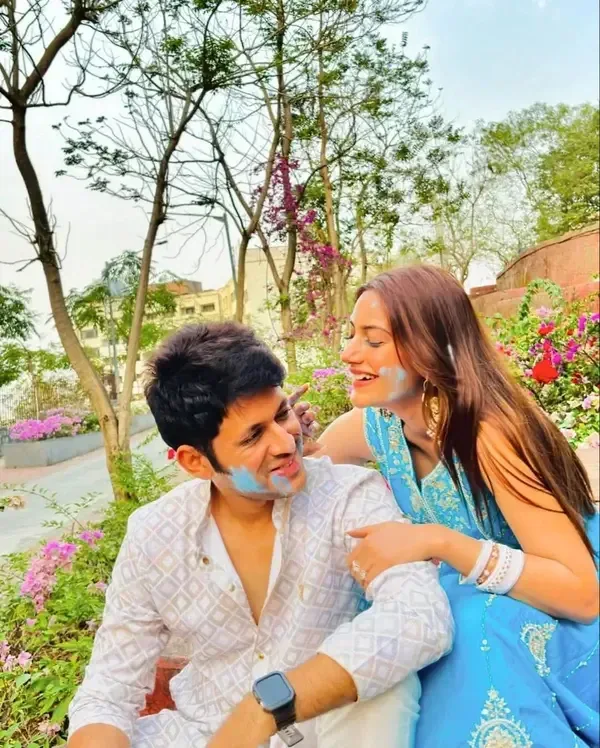
Younger Sindhis juggle traditions while picking partners for themselves. Resources like Corishta cater to both perspectives.
The Sindhi Spirit: What You Gain in a Partner
If you join a Sindhi family, you're stepping into resilience. Setbacks aren't such a big deal—just bumps along the way. The dining area buzzes with life; you'll feel welcome fast. Hearing Jhule Lal's aarti on Cheti Chand brilliantly connects generations.
Your Sindhi Match Awaits on Corishta
Corishta shows profiles from Amil, Bhaibund, and Lohana families across India and beyond. Start your search now—your sath may be waiting out there.
Sindhi Matrimony FAQs
What are the main sub-groups of the Sindhi community?
The big ones are Amil (known for being administrative and scholarly), Bhaibund (who focus on trading and business), and Lohana Sindhi. These groups still play a role in how some families choose marraige partners.
What's Cheti Chand and why does it matter?
Cheti Chand is when Sindhis celebrate their New Year and Jhule Lal's birthday, who's their patron saint. It's a big deal for the community, full of religious and cultural importance.
Do Sindhi families accept marriages with people outside their community?
Lots of Sindhi families like sticking to their own community, but more are now open to marrying outside it, especially in cities and among those living abroad.
What languages do Sindhi families usually use?
Sindhi is mainly spoken at home. They also use Hindi and whatever language is common in their city. Educated and business folks often speak English too.
Sindhi Matrimony Profiles Across Gujarat, Madhya Pradesh, and Maharashtra
Families searching for Sindhi matrimony often prefer matches by language, lifestyle, and nearby regions; these state clusters highlight where most active options are available.
Find Sindhi Hindu Matches
Sindhi Matches Across Top Cities
Discover where Sindhi brides and grooms are most active so your matchmaking search stays focused and practical.
All cities include verified active profiles updated regularly.
 App Store
 Play Store
