Rohini Hindu Matrimony Profiles
Showing 7+ verified profiles · Hindu · Rohini · Rohini
Corishta brings together 7+ verified options for Rohini Hindu Matrimony Profiles in Rohini. Whether families are browsing by community, city, or marriage intent, this section supports focused partner discovery.
Top Religions in Rohini
City-focused religion hubs connected through published SEO pages.


🔒 View More Profiles
Register free to see full profiles, contact details, and photos.
- or -


Delhi Matrimony in Rohini – Where Love Finds Its Place
Rohini: The Suburb That Grew Up and Started Making Its Own Rules
Rohini was laid out by the DDA back in the 80s and 90s, with sectors full of flats for families moving from Old Delhi seeking space and better living. Now it’s a busy hotspot—markets, schools, hospitals, and a blend of city and traditional life. Families here hold onto their roots—Punjabi, Haryanvi, UP Brahmin, Baniya—and they're passing down those traditions to kids heading to engineering college in Dwarka.
The Hindu Matrimonial Culture of Rohini
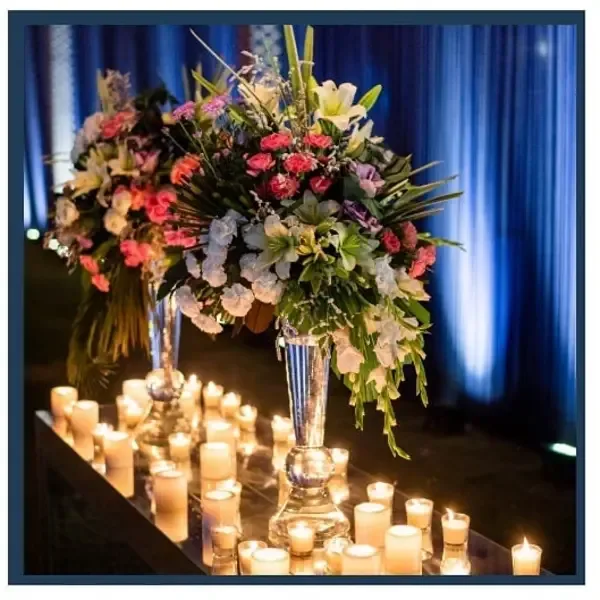
Rohini's matrimonial scene is lively, influenced by its residents. Punjabi Hindu families like Khatri and Arora contribute heavily. They stick to North Delhi customs—formal meetings, significant roka gifts, weddings flaunting social status. UP Brahmins also look for matches within caste circles, often turning to pandits for kundali checks even from Sector 7.
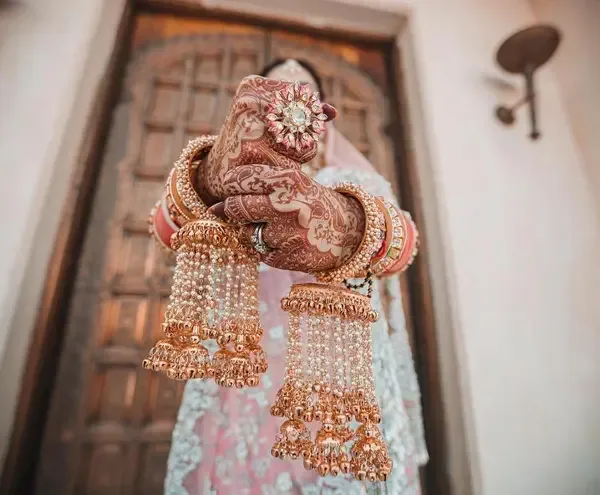
Most weddings happen in local banquet halls or gardens along Rohini Road or near Rithala metro; they're always booked up. Ceremonies follow North Indian traditions: mehndi, haldi, baraat with DJ music; pheras with a pandit planned long ahead; receptions that stretch into the night. Families here discuss venues, guest lists, and catering details.
What Rohini Families Expect in a Match
- Stable jobs in Delhi NCR—nobody wants to move away
- Preferred careers include engineering, IT, government roles or teaching
- Owning property or having a DDA flat matters
- The girl’s ability to fit in with the groom's family culture is noted
- NRI connections are seen as prestige, government jobs valued by UP families
Rohini's Young Professionals: Practical and Clear-Headed
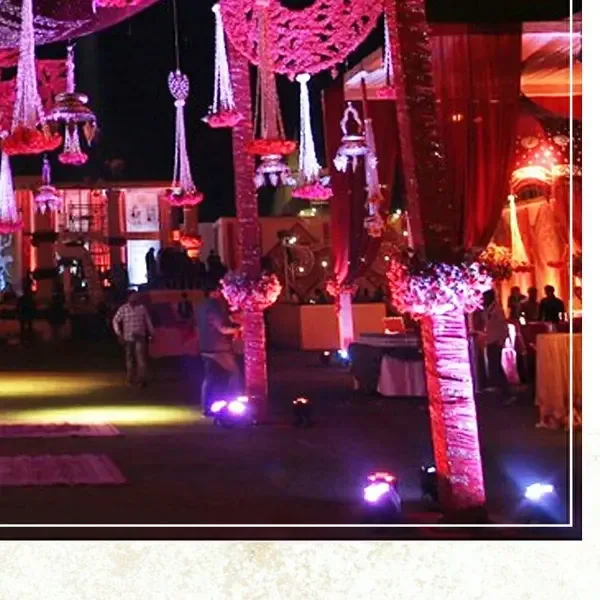
Younger folks from Rohini working in places like Connaught Place or Cyber City Gurugram know what they want. They've seen parents navigate joint-family life in DDA flats and witnessed successes and failures in marriage too; that drives their expectations now. They want partners who are educated and stable—someone who can manage family life without unnecessary drama.
This focus shapes their matrimony ideas—no fluff about what makes a good match; it’s income level, education, living situation. Online platforms are used plainly; first meetings get straight to business.
The Social and Religious Life of Rohini's Matrimonial Network
The Durga Mata temple at Sector 9, Sheetla Mata mandir near Rohini West, and Navratri events by RWAs energize the area during gatherings. Resident Welfare Associations help build community links here—they act as informal networks for matching just like any structured setup.
Corishta for Rohini Hindu Matrimony
Corishta assists families from Rohini in finding matches across Delhi and NCR. It features smart filters for community background, profession or income level—tailoring it to what local families seek when looking for culturally fitting profiles.
Delhi - Location Map
Explore the area and discover matrimony profiles near Delhi.
Rohini Matrimony FAQs
What Hindu communities are big in Rohini matrimony?
In Rohini, you'll find a lot of Punjabi Hindu families like Khatri and Arora, UP Brahmin, Baniya, and Haryanvi families. They keep to their own networks but also use Delhi-wide platforms to search around more.
Is location a big deal in Rohini Hindu matrimony?
It sure is. Most families want matches in Delhi NCR to avoid the hassle of moving. They usually like when the bride or groom is already settled in Rohini, Dwarka, or nearby areas. Folks in Delhi aren’t keen on having the couple relocate to another city.
Do Rohini Hindu families still do dowry?
Giving gifts at weddings happens a lot in North Delhi, but the formal dowry system is fading among educated folks. Some modern families in Rohini clearly say in their matrimonial profiles that they don’t expect or give a dowry.
How do Rohini families usually start looking for a marriage partner?
They use a mix of family connections, community pandits, and online platforms. Most start with online sites to find someone and then check the background through their family network before meeting.
 App Store
 Play Store
