Rewa Hindu Matrimony Profiles
Showing 14+ verified profiles · Hindu · Rewa · Rewa
Explore Rewa Hindu Matrimony Profiles in Rewa with 14+ verified profiles on Corishta. From community filters to profile details, this page is built for serious matchmaking conversations.


🔒 View More Profiles
Register free to see full profiles, contact details, and photos.
- or -


Hindu Matrimony in Rewa – Find Love in White Tiger Country
Rewa: Where Vindhya Pride and Family Honour Are Inseparable
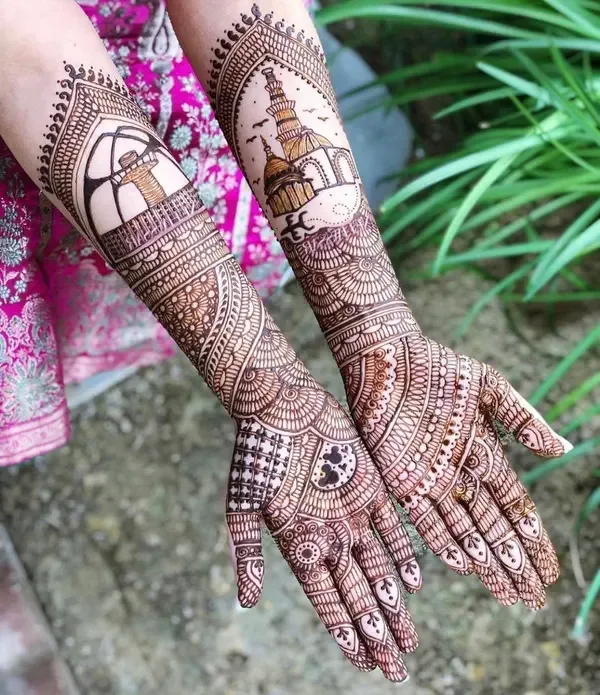
Rewa sits at the edge of the Vindhya plateau, showing off a rich Baghel Rajput heritage. The city's symbol is the white tiger, but it’s really about family – generations living together, strong caste networks, and marriages that are big deals here in Madhya Pradesh. Being from Rewa means sticking with things tied to the land, no matter what.
The Architecture of Hindu Marriage in Rewa
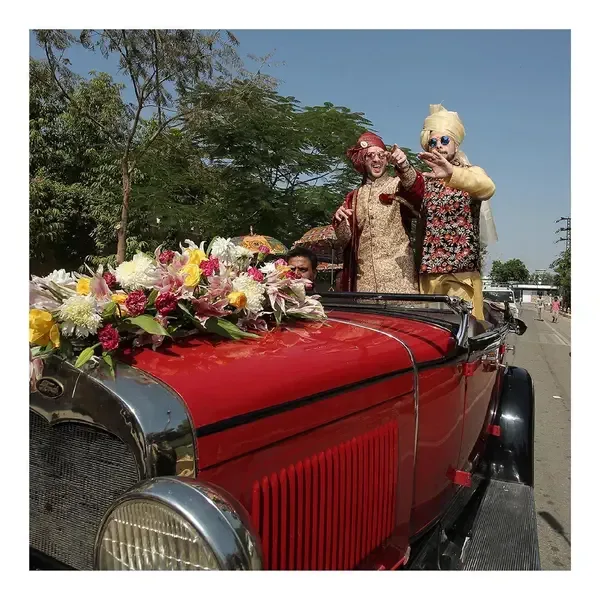
The Hindu communities here are mainly Rajputs (Baghel, Chandel, Bundela), Brahmins, Kurmis, Kewats, and others connected with various jobs. The Rajput groups have certain marriage standards: they look for clan matches, respect lineage, and need to know about the groom's status. A Baghel Rajput family checks the groom's clan first before his job.
Weddings in Rewa stand out. Instead of being flashy like Ludhiana or super formal like Gwalior, they’re more friendly and celebrate with lively nights. There's Bundelkhandi and Bagheli music at women's pre-wedding events giving these weddings that local touch. Many traditional families still do the gauna ritual when the bride moves into her husband's house, even if it happens faster now.
What Rewa Families Value in a Match
- For Rajputs, clan honour and background is bigger than job success
- Government jobs are given respect across all communities
- Having agricultural land looks good for established families
- A girl’s family's cultural values around raising daughters count
- Higher education matters a lot; especially for civil service hopefuls who get respect
Rewa's Educated Generation and the Regional Pride Factor

Rewa has a strong focus on government colleges, turning out civil service candidates all the time. Many young folks go to study or work in Jabalpur, Bhopal, or Delhi but remain loyal to their roots. When they come back for marriage talks, they want someone who fits into their old life as well as their new career.
There’s often a tug between sticking to tradition and exploring new paths. It usually comes down to family needs – not pressuring anyone but knowing what marrying into a Rewa family means: clan gatherings, temple pujas throughout seasons, and more than just running a small household.
Social Life in Rewa's Matrimonial Landscape
The Bansagar Dam area, Rewa Fort, Govindgarh Palace grounds during celebrations, and Durga Mata temple on Navratri are key community spots. Events for Rajputs during weddings connect families – that’s what keeps Rewa's matrimonial scene alive. Active caste groups play a huge role in helping with marriage matters.
Corishta for Rewa Hindu Matrimony

Corishta supports Rewa families searching for Hindu partners throughout MP and Vindhya-Baghelkhand. Users can filter profiles by clan, community background, or profession – everything you need for meaningful chats before making decisions. For families checking carefully before reaching out, Corishta provides an organized profile system that makes things straightforward right from the start.
Rewa - Location Map
Explore the area and discover matrimony profiles near Rewa.
Rewa Matrimony FAQs
Does clan background matter in Rewa Rajput marriages?
Yeah, for Baghel and other Rajput groups in Rewa, they look at things like clan history and family honor before checking out jobs and degrees. Groom's family line, connection to ancestral land, and where they stand socially in the clan are what they check first.
What are the most active communities in Rewa's Hindu matrimony network?
The Rajput (Baghel, Chandel), Brahmin, and Kurmi communities are the biggest participants. There's also a group from government service families involved across different castes. People aiming for or working in civil services are highly valued in all of Rewa's communities.
Do people in Rewa accept inter-caste Hindu marriages?
Not much if you ask traditional families. Rewa is pretty conservative, so most stick to their own caste. But in more educated, city-living families, young folks sometimes make their own choices and eventually, families come around.
What's the gauna ritual in Rewa Hindu marriages all about?
The gauna is when the bride officially moves in with her husband for good. In the past, she might go back to her parents after getting married and come to live with her husband later. Nowadays, it happens way sooner, but traditional Rewa Rajput families still keep the ritual alive.
 App Store
 Play Store
