Panipat Hindu in Panipat Matrimony Profiles
Showing 9+ verified profiles · Hindu · Panipat · Panipat
Browse 9+ verified Panipat Hindu in Panipat Matrimony Profiles on Corishta. Families exploring suitable matches in Panipat can review active profiles, shortlist preferences, and connect with genuine members.
🔒 View More Profiles
Register free to see full profiles, contact details, and photos.
- or -
Hindu Matrimony in Panipat – The City of Battles and Bonds
Where History Repeats as Lineage
Panipat has been the site of three decisive battles that changed the course of Indian history and the city knows it. There is a particular quality to life in Panipat, a weight of significance, that its people carry without drama. They are matter-of-fact about their identity: from a place where important things happen, where families have survived and endured, where community loyalty is not abstract but a lived daily reality.
Today, Panipat is one of Haryana's most industrious cities the "City of Weavers" that processes recycled textiles at a scale that few cities in the world can match. The textile industry has created a class of prosperous trading families alongside the agrarian Jat and Tyagi communities that have always defined this region. For Hindu families in Panipat, matrimony is approached with the same industriousness that characterises their working life: practical, community-conscious, and oriented toward long-term stability.
The Social Architecture of Panipat's Hindu Community
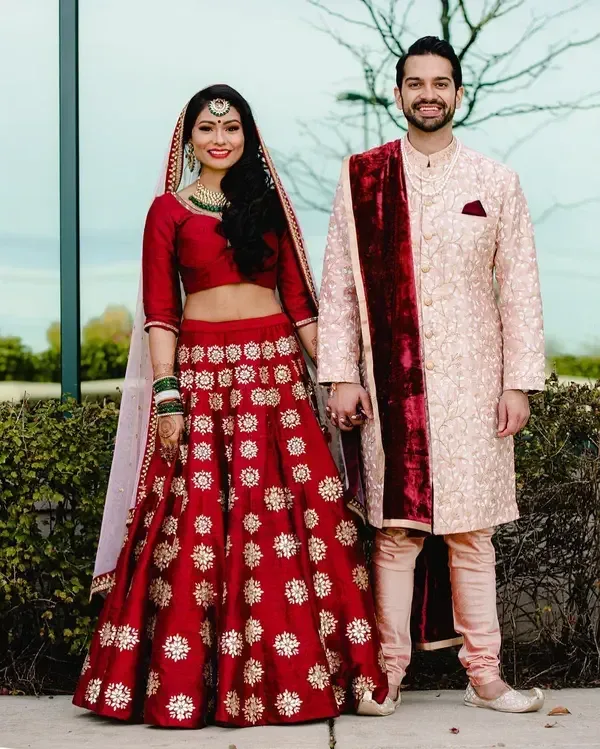
Panipat's Hindu population is anchored by the Jat community landowning, army-serving, politically active, and deeply community-oriented. Alongside them, the Brahmin families who have served the city's temples and schools for generations, Agarwal and Bania trading families who run the textile and wholesale markets, and Punjabi families who settled here during the Partition period all contribute to a layered social world.
The Gurudwara and temple are both active social centres in Panipat a reflection of the city's mixed Hindu-Sikh cultural texture. Weddings here often involve elements from both Punjabi and Haryanvi traditions, depending on family background. The regional identity here is Haryanvi but with strong Punjabi cultural inflections from the border proximity.
Marriage Traditions and Expectations in Panipat

Weddings in Panipat are community events of the first order. Jat weddings in particular are known for their energy and scale the baaraat, the communal cooking, the dhol, the vigorous dancing of relatives. Nothing about a Panipat Jat wedding is understated.
- Kundali matching: Practised widely; Jat families often consult both pandit and community elder
- Tilak ceremony: Formal welcome of the groom's family at the bride's home
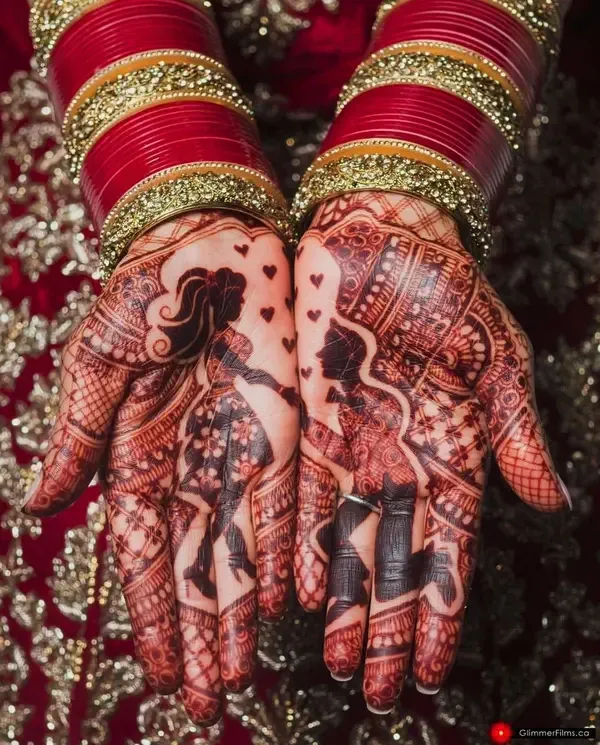
- Mehendi: One of the most enthusiastically observed pre-wedding ceremonies
- Baaraat procession: Long, loud, and proud a key display of family and community pride
- Kanyadaan: The most emotionally significant moment for the bride's family
What Panipat Hindu Families Seek
The Jat community's matrimonial requirements in Panipat are specific: gotra compatibility is essential (the same gotra and related gotras are excluded), community background must be verifiable, and the family's reputation within the Jat social network must be clean. Government service, army career, or landowning background are the most prestigious qualifications. Education is valued particularly for girls, B.Ed or nursing degrees have become standard.
Trading families in Panipat look for matches within the Agarwal or Bania network business families that have established textile or wholesale credentials. The city's commercial ecosystem creates a natural matrimonial sub-circuit among trading families who know each other's reputations through decades of market interaction.
Between Karnal Road and the Devi Temple

Life in Panipat unfolds between its busy industrial zones and its quieter residential mohallas. The Devi temple near the old city is a gathering point for families on auspicious days. The markets of the old city where textile merchants have set up shop for generations are social spaces as much as commercial ones. A matrimonial introduction in Panipat often begins with a conversation between fathers at a temple gate or over a cup of tea in the market, long before any formal platform is involved.
Online matrimony has reached Panipat's educated class, and younger people from the city use it alongside family networks. They seek matches who understand the Haryanvi cultural frame respectful of family hierarchy but aware of the individual's need for space and respect.
Panipat - Location Map
Explore the area and discover matrimony profiles near Panipat.
Panipat Matrimony FAQs
Which Hindu communities are most active in Panipat matrimony?
Panipat's Jat community is the largest and most socially active in matrimony. Brahmin, Agarwal, and Punjabi-Hindu families form other significant matrimonial communities. The city's textile industry has created a prosperous trading family network with its own distinct matrimonial circuit.
How strictly is gotra observed in Panipat Jat matrimony?
Gotra exclusion is taken very seriously in Jat matrimony. Not only the same gotra, but also related clan gotras (nanad-bhabhi restrictions) are excluded. Families often cross-verify gotra compatibility through community elders before proceeding with any formal meeting.
What professional backgrounds are most respected in Panipat matrimony?
Army service and government jobs carry the highest prestige in Jat families. Teaching and administrative positions are well-regarded for women. Business families in the textile trade prefer matches from commercial backgrounds with established market reputations.
How are matrimonial meetings typically arranged in Panipat?
Initial inquiries go through community elders or family networks. After kundali and background verification, a formal meeting is arranged at the bride's home, with both families present. The meeting is structured but warm, and the girl's opinion is increasingly sought before a final decision.
Are Panipat families open to matches from Delhi or Sonipat?
Yes. The proximity to Delhi, Sonipat, and Karnal means that matches from these areas are frequently sought and accepted. Many young Panipat professionals work in Delhi and seek matches through both local networks and online platforms.