North East Delhi Hindu in North East Delhi Matrimony Profiles
Showing 6+ verified profiles · Hindu · North East Delhi · North East Delhi
Find North East Delhi Hindu in North East Delhi Matrimony Profiles in North East Delhi through 6+ verified profiles on Corishta. The listing is designed to make shortlisting easier for families looking for compatible and genuine matrimony matches.
🔒 View More Profiles
Register free to see full profiles, contact details, and photos.
- or -
Hindu Matrimony in North East Delhi – Cultural Depth in the City's Working Heart
North East Delhi: Where Tradition Survives the Metropolis
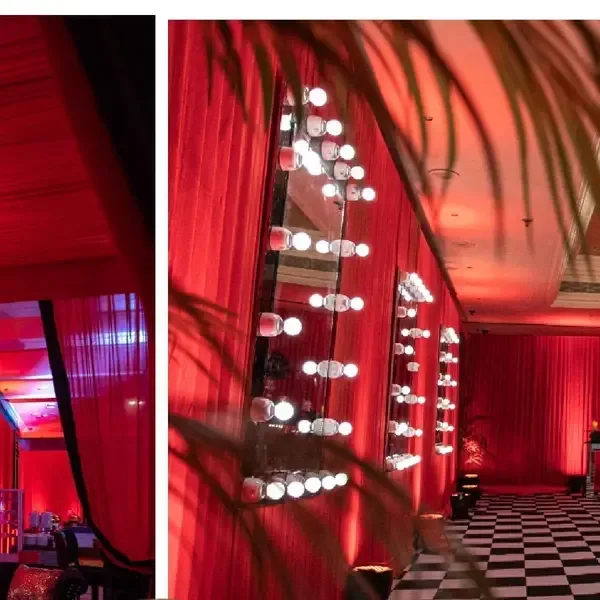
North East Delhi is not the Delhi of Lutyens' bungalows or South Delhi's upscale colonies. It is Delhi's working core – Yamuna Vihar, Mustafabad, Bhajanpura, Seelampur, Shastri Park – dense, alive, constantly negotiating between the village traditions its families brought from UP, Bihar, and Haryana decades ago and the metropolitan pressures of a city that never stops demanding reinvention. This is where the city's teachers, shopkeepers, auto drivers, government clerks, and factory workers build lives. And it is where some of Delhi's most deeply preserved Hindu matrimonial traditions are still practiced in full.
Hindu Marriage Culture in North East Delhi
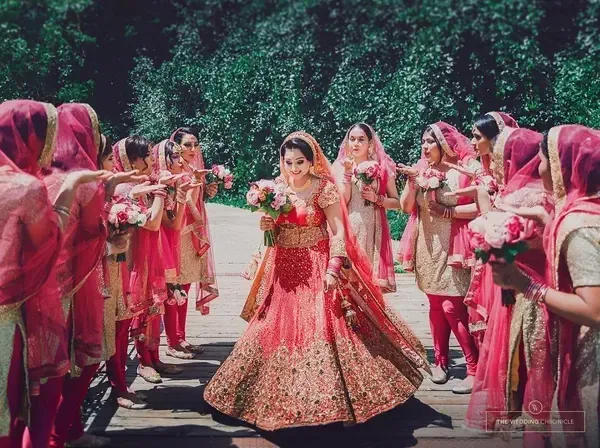
North East Delhi's Hindu population is predominantly from the UP and Bihar migration waves of the 1960s through 90s. The dominant communities are Brahmin, Yadav, Kurmi, Kayastha, and Rajput, with strong Poorvanchal (eastern UP and Bihar border) cultural influence. Marriages here are arranged through tightly maintained caste networks that function with the efficiency of small-town community structures transplanted into the metropolis. The local pandit knows four mohallas. The retired government clerk uncle knows who is eligible in the community. The rishtedar network operates like an informal HR system for matrimony.
The Hindu wedding in North East Delhi follows the UP tradition – haldi, mehendi, saptapadi performed by a family pandit at a rented marriage hall or in the home's courtyard if space permits. The baraat – decorated SUVs or a horse for the groom – moves through the colony lanes, which briefly turn into a street festival for two hours. The feast at both functions is evaluated with precision, and the quality of the food served at the tilak and the wedding determines a family's social reputation in the colony for years.
North East Delhi's Matrimonial Evaluation Points
- Government job, particularly Delhi Govt, railway, or central services, is the most prized
- Families with owned property in the colony carry strong social weight
- Educational qualification post-graduation is expected; professional degrees valued more highly
- Caste within UP-origin communities is still the primary filter in most families
- The girl's adaptability to joint family living is assessed carefully by the groom's mother
Migration Stories and the Metropolitan Marriage Negotiation
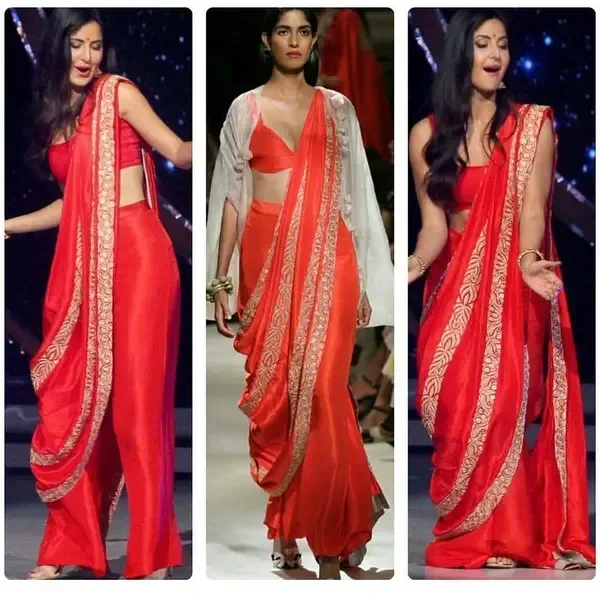
Many North East Delhi Hindu families are two or three generations into the city. The grandparents came from a UP village. The parents grew up in the colony and built a government job, a small property, a sense of establishment. The children have college degrees and work in offices across the city. For this generation, the pull of the original UP caste community is real but the metropolitan freedom is also real. Matrimonial conversations in these families often involve a negotiation between the parents' community-based criteria and the young person's desire for personal compatibility.
The girl from a Yamuna Vihar family who works in a Saket office knows exactly where she is from and is not embarrassed by it. She wants a match who is equally grounded – not flashy, not pretentious, but educated, employed, and capable of treating her with respect in a family structure that still has its elders at the centre.
Social Life and Matrimonial Networks in North East Delhi
Community temples – the Hanuman mandir in Bhajanpura, the Kali Mata temple in Yamuna Vihar, the Ram Navami procession that runs through the main road – are the public gathering points. Neighbourhood association events, Navratri dandiya programmes, and the annual Chhath Puja at the Yamuna bank are moments when the community turns out in full and matrimonial conversations happen in the margins of devotion and celebration.
Corishta for North East Delhi Hindu Matrimony
Corishta connects North East Delhi Hindu families with matches across Delhi and the UP-Bihar cultural belt. Profiles can be filtered by community, profession, and residential location. The platform serves families who want structured verification before committing to a family meeting – especially useful in Delhi's large, anonymous urban landscape where personal introductions aren't always possible before a formal visit.
Delhi - Location Map
Explore the area and discover matrimony profiles near Delhi.
North East Delhi Matrimony FAQs
Which Hindu communities are most active in North East Delhi matrimony?
Brahmin, Yadav, Kurmi, Kayastha, and Rajput communities with UP and Bihar roots are the most active. The Poorvanchal community from eastern UP and Bihar border regions is very prominent. Each community has its own internal network of matchmakers and family elder contacts.
Is joint family living still expected in North East Delhi Hindu marriages?
In many traditional households, yes. The expectation that the new bride will adapt to the joint family household is explicit in most match evaluations. This is softening in educated younger families who are building nuclear households, but the expectation to respect and serve extended family remains.
How important is property ownership in North East Delhi matrimony?
Owned property in Delhi – even a small flat in the colony – significantly raises a family's matrimonial standing. Rental households are not disqualifying but owned property is a positive marker of establishment and stability.
Do North East Delhi families use online matrimonial platforms?
Yes, increasingly. Platforms like Corishta are used for initial searches, especially when the family's personal network has been exhausted. The platform is used alongside, not instead of, personal referrals and community introductions.