Muzaffarnagar Hindu in Muzaffarnagar Matrimony Profiles
Showing 9+ verified profiles · Hindu · Muzaffarnagar · Muzaffarnagar
Explore Muzaffarnagar Hindu in Muzaffarnagar Matrimony Profiles in Muzaffarnagar with 9+ verified profiles on Corishta. From community filters to profile details, this page is built for serious matchmaking conversations.
🔒 View More Profiles
Register free to see full profiles, contact details, and photos.
- or -
Hindu Matrimony in Muzaffarnagar – Kinship, Land and Lifelong Promises
Where Families Are as Old as the Fields They Cultivate
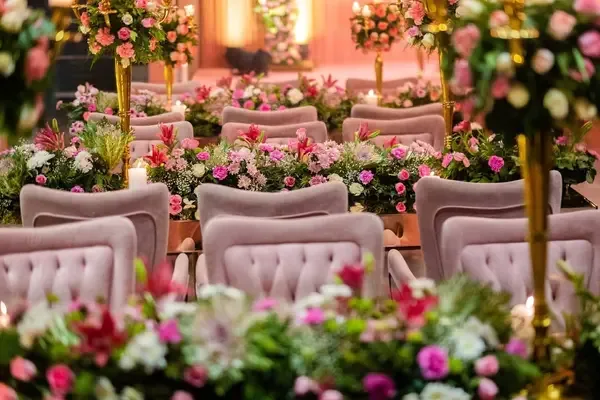
Muzaffarnagar is not just a city it is a network of families who have known each other across decades, across fields, across market days. The sugarcane belt of western Uttar Pradesh has given this region a particular character: agricultural wealth, strong clan identity, and a social fabric where your family name carries the weight of generations of reputation. When a Hindu family here begins looking for a match, they are not looking for an individual they are looking for a family worthy of joining theirs.
The town itself has a semi-urban energy mandi activity, educational institutions, local politics, and a growing service class sitting alongside the established farming communities. Jats, Tyagis, Gujjars, Brahmins, and other communities have coexisted here in a web of rivalry, alliance, and intermarriage that gives western UP its distinctive social texture. For Hindu families in Muzaffarnagar, matrimony is a statement of alliance social, familial, and sometimes even economic.
Community, Clan, and Compatibility
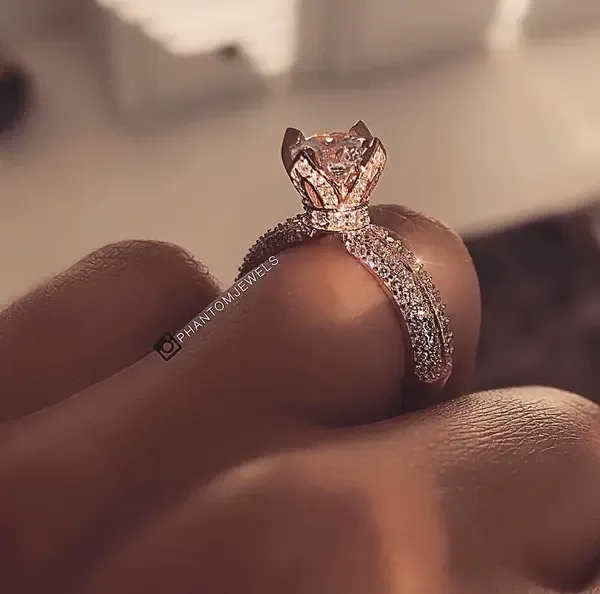
In Muzaffarnagar's Hindu world, gotra is deeply respected. Marriage within the same gotra is taboo, and extended families keep careful track of lineage to ensure this boundary is honored. Beyond gotra, the biradari the larger clan or community network shapes who is considered an appropriate match. A family's standing in the biradari, their history of keeping promises, their behavior during disputes all of this is community knowledge.
Education has become an increasingly important factor, particularly among the town's growing middle class. Families with daughters who are graduates or who work as teachers, nurses, or government employees expect similarly qualified matches. The old equation of land and cattle has been joined by degrees and service records as markers of a family's worth.
How Matrimonial Matches Come Together in Muzaffarnagar
- Searches begin through biradari elders, panchayat-level matchmakers, and trusted relatives
- Biodata with family details land ownership, occupation, family tree exchanged as standard
- Initial meeting at the boy's family home, often with multiple family members present
- Joint family outings to nearby temples, especially during festivals like Navratri or Kanwar Yatra
- Pandit consultation for kundali and auspicious date selection
Weddings That Are Also Family Reunions
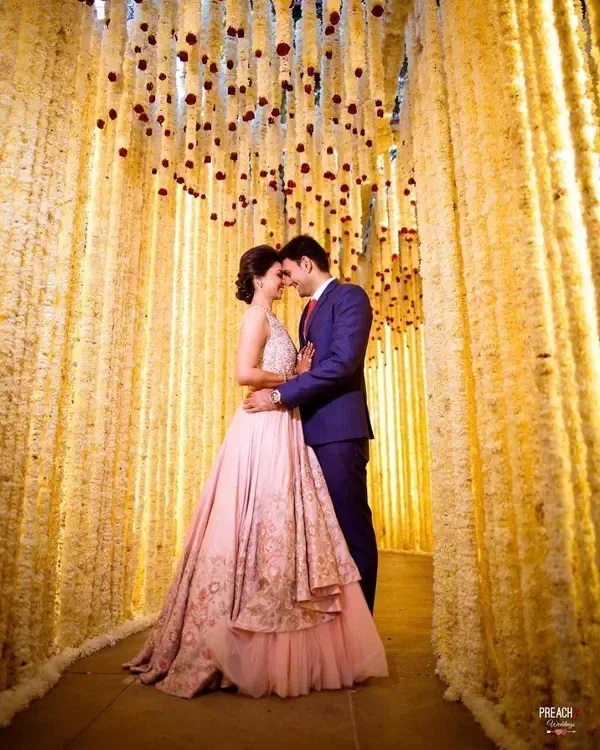
A Hindu wedding in Muzaffarnagar is enormous by any measure guests number in the hundreds, sometimes thousands. The baraat is a procession with horses, band, and decorated vehicles that announces the event to the entire town. The wedding venue often a community hall or a decorated farmhouse fills with the sound of folk songs, the smell of wood-fire cooking, and the laughter of cousins who only meet at such occasions.
The rituals are detailed and conducted with respect for tradition. The kanyadaan, in which the father gives his daughter's hand to the groom, is an emotional moment that brings tears to even the most composed families. The sindoor ceremony, the mangalsutra, the saptapadi each step carries the weight of expectation and blessing from every elder present.
The Balance of Tradition and Progress
Muzaffarnagar's youth are changing. Young men from farming families are becoming engineers and businessmen. Young women who watched their mothers manage households are now managing offices. Yet they carry their community identity with them in the way they speak, in the value they place on family honor, in the understanding that their individual life is always partly a communal story.
The ideal Hindu partner in Muzaffarnagar is someone who can hold both the modernity of aspiration and the anchoring of community. Someone who will be a good professional in the city but will return home with respect and pride. Someone who understands that in this part of the world, a family's word is its most valuable possession.
Muzaffarnagar - Location Map
Explore the area and discover matrimony profiles near Muzaffarnagar.
Muzaffarnagar Matrimony FAQs
What communities are most active in Hindu matrimony searches in Muzaffarnagar?
Jats, Tyagis, Gujjars, Brahmins, and Yadavs are the dominant communities in Muzaffarnagar matrimonial circles. Each community has its own biradari network, and matches are largely sought within the same community and gotra rules.
Is dowry still a concern in Muzaffarnagar Hindu marriages?
While legally prohibited, dowry practices remain a social reality in some parts of western UP, including Muzaffarnagar. Educated families and younger generations are increasingly working to change this, and many now openly state no-dowry preferences in matrimonial profiles.
How does land ownership factor into matrimonial matches in Muzaffarnagar?
For farming families, land ownership is still considered a mark of stability and status. However, government jobs, business establishment, and education are now given equal or sometimes greater weight, especially among urban and semi-urban families.
Are outside-district matches (e.g., Meerut, Saharanpur) accepted?
Yes, especially within the same caste or biradari. Families from neighboring districts like Meerut, Saharanpur, Hapur, and Shamli regularly exchange matrimonial profiles, as these communities share similar cultural backgrounds.