Meerut Hindu Matrimony Profiles
Showing 23+ verified profiles · Hindu · Meerut · Meerut
Meerut Hindu Matrimony Profiles on Corishta features 23+ verified profiles in Meerut. This page helps families compare background, community preferences, and marriage intent before taking the next step.




🔒 View More Profiles
Register free to see full profiles, contact details, and photos.
- or -




Meerut Hindu Matrimony: Lively Matches in Western UP
The City That Made History Its Habit

Meerut has a rich history. It’s where the 1857 uprising started. The city’s important in Indian military from British times and is one of Uttar Pradesh’s fastest-growing cities. There’s a lot happening here. Families in Meerut are straightforward about what they’re looking for in partners.
Meerut's famous for sports gear—people ship cricket bats and boxing gloves worldwide. Locally, circles include Jat and Tyagi agricultural groups, Brahmin and Bania families from older areas, and military folks from Meerut Cantonment. Each brings something different to match-making.
Community Identity and Social Structure
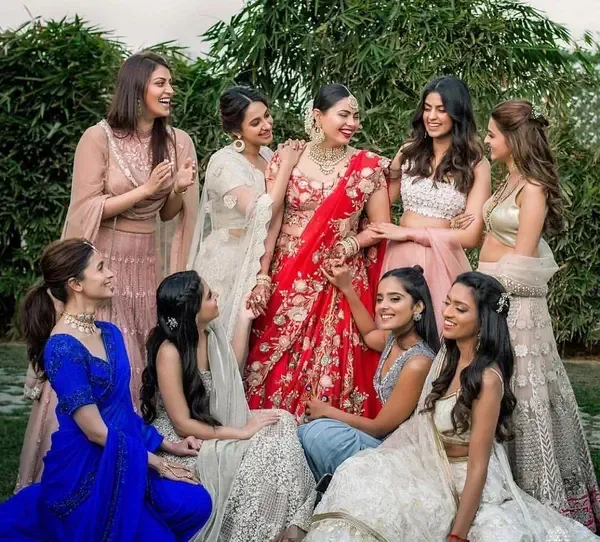
The Hindu community connects rural roots with city aspirations. Jat families are key; they’re typically landowners or soldiers who prefer marrying within their own or nearby communities. In contrast, the Tyagi community follows its own customs but has some similarities with Jats.
Brahmins value education—many are professionals like teachers or doctors—forming a smart part of society. Bania and Agarwal families run local businesses. Army families, current members and veterans, have their own culture centered on discipline and connections.
Marriage Traditions in Meerut's Hindu Families

Weddings here are lively and full of energy. The baaraat brings music that fills streets as everyone dances along. Celebrations can get huge—lots of guests show up.
- Tilak ceremony: Special welcome for the groom with gifts
- Haldi and mehendi: Fun celebrations for bride and groom
- Baaraat: Lively procession in the streets
- Kanyadaan and saptapadi: Key rituals led by a family priest
- Vidaai: Emotional send-off for the bride, valued by families
What Meerut Families Want in a Match
Jat families have specific preferences: strong background, matching gotra, often wanting someone from Meerut or nearby like Muzaffarnagar, Shamli, or Hapur districts. They really value land ownership or government jobs. They prefer educated brides but expect them to manage household duties too.
For professional families, it’s important both partners are educated, discussing careers together. Living arrangements (Meerut, Delhi NCR, or elsewhere) also come up a lot. Many families here use matrimonial sites reflecting the direct approach common in Meerut culture.
Life in the City: Where Matches Really Begin
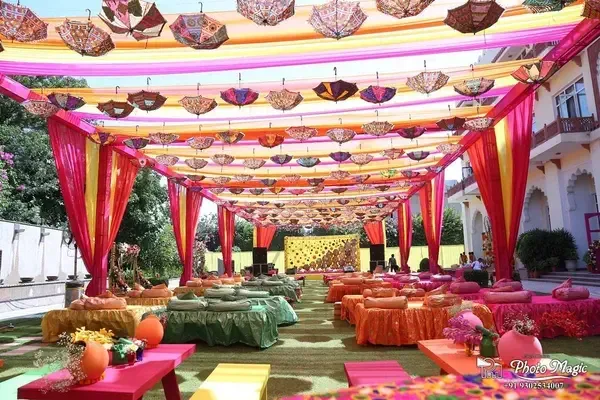
You’ll find social life active in quiet lanes and busier streets alike like those around cantonment areas or new spots like Shastri Nagar and Delhi Road. Events such as Navratri garba at big mandals or Ram Lila shows bring everyone together while connecting families.
Sitting close to Delhi, about 70 km away, Meerut families look for partners there too; many young professionals work in Delhi but stay connected through family networks for potential matches.
Meerut - Location Map
Explore the area and discover matrimony profiles near Meerut.
Meerut Matrimony FAQs
What are the main caste communities involved in Hindu matrimony in Meerut?
In Meerut, you’ll find a lot of Jat and Tyagi families connected to agriculture. Brahmins, Banias, and Agarwals are part of the mix too. Plus, there are families from the cantonment area with military backgrounds who have their own matrimonial networks. While each group sticks to its traditions, being near Delhi means there's some mixing between communities as well.
How big of a deal is gotra and community matching in Meerut?
It's a pretty big deal, especially for Jat and Tyagi families. Gotra exclusions are taken seriously. Jats usually look to marry within their community, mostly sticking to areas like Meerut, Muzaffarnagar, Baghpat, and Shamli in western UP.
In Meerut, which jobs are seen as most respected when looking for a match in matrimonials?
In Jat families, the army and government jobs are highly respected. Brahmin families usually prefer education-focused fields like doctor, lawyer, or engineer. Bania and Agarwal families tend to prefer a business background.
Do Meerut families consider matches from Delhi NCR?
They sure do. Because Meerut is close to Delhi, many folks work in the NCR but still have ties to Meerut. People often look for and accept matches from Delhi, Noida, Ghaziabad, and Gurgaon, especially in professional circles.
What’s different between Hindu weddings in Meerut and Delhi?
Weddings in Meerut are usually more about the community and less about commercial aspects compared to Delhi. The baaraat tradition is huge, with lively processions through the streets. They focus more on rituals and family involvement rather than the flashiness of venues.
 App Store
 Play Store
