Lakhimpur Hindu in Lakhimpur Matrimony Profiles

Showing 5+ verified profiles · Hindu · Lakhimpur · Lakhimpur

5 currently features matrimony in Lakhimpur verified profiles, making it easier to compare serious marriage profiles with stronger local context. Communities such as Baniya and Bengali show the strongest participation in the current pool. Most visible profiles are clustered around an average age of 28 years.

Top Religions in Lakhimpur

City-focused religion hubs connected through published SEO pages.

Amal

35 yrs • Lakhimpur

Private Company

Never Married View Profile

Rajul

20 yrs • Lakhimpur

Private Company

Never Married View Profile

सतीश

29 yrs • Lakhimpur

Private Company

Never Married View Profile

अनिकेत

23 yrs • Lakhimpur

Business / Self Employed

Never Married View Profile

***** *****

31 yrs • Lakhimpur

Business / Self Employed

Widowed Login to View

Hindu Matrimony in Lakhimpur Kheri – Matches Rooted in Awadhi Tradition

Hindu Matrimony in Lakhimpur Kheri, Uttar Pradesh
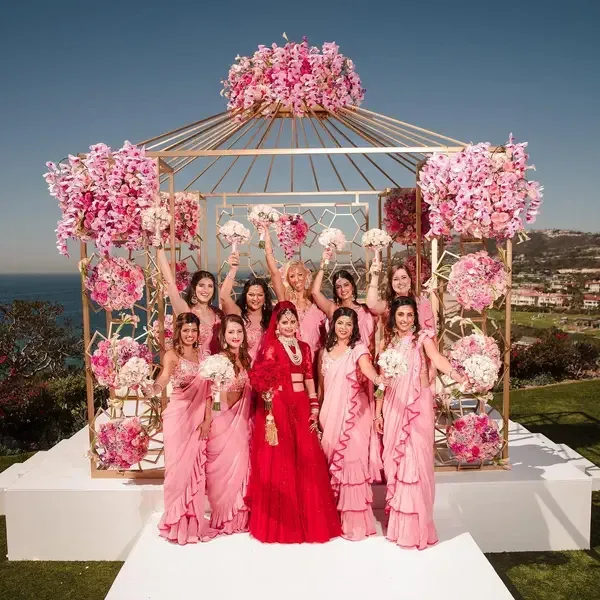
Hindu Matrimony in Lakhimpur Kheri, Uttar Pradesh

Few places in Uttar Pradesh carry the lush, unhurried rhythm of Lakhimpur Kheri. Bordering Nepal in the north and encompassed by the dense forests of Dudhwa National Park, this district is a place where sugarcane fields stretch to the horizon and rivers flow with a quiet authority. Hindu families here have maintained matrimonial traditions that feel continuous with a way of life that urban India has largely outgrown not out of backwardness, but out of a deep, settled sense of cultural identity.

How Matrimony Happens in Lakhimpur

How Matrimony Happens in Lakhimpur

In Lakhimpur, a marriage alliance almost always begins through a known person. The mukhiya of a village, the priest at the local Shiva temple, a relative who attended the same inter-college, or a neighbour who heard that a certain family's son had completed his B.Sc. these are the nodes through which alliances travel. In the more urban pockets the town of Lakhimpur itself, Gola, Nighasan families also use printed matrimonial papers circulated through the local community, or increasingly, mobile-based platforms recommended by a city-dwelling relative.

Meetings between prospective matches are formal and structured. The boy's family visits the girl's home first. Sweets are served. The girl comes out, serves tea, and is observed her demeanour, her speech, her manner of handling herself. The conversation may be brief, but the observation is thorough. A second meeting, sometimes with more family members present, is arranged if the first goes well.

Hindu Marriage Traditions in Lakhimpur Kheri
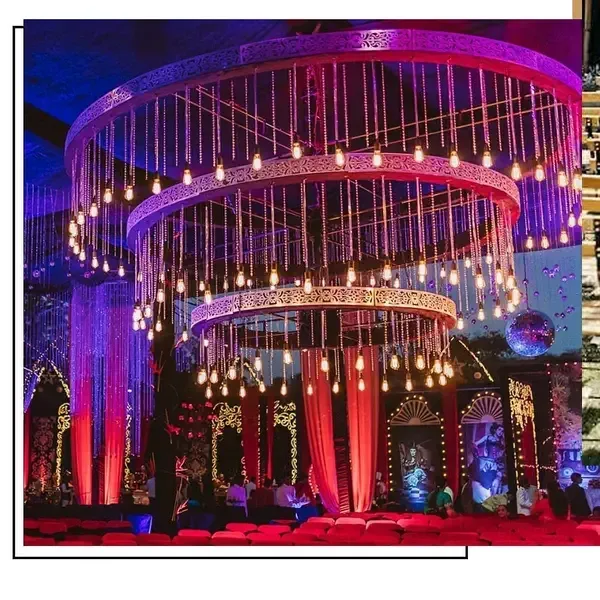
Hindu Marriage Traditions in Lakhimpur Kheri

Lakhimpur weddings carry strong Awadhi and Braj-influenced traditions. The tilak ceremony where the groom receives a formal recognition from the bride's family is a grand event involving feeding, gifting, and the exchange of shagun. The wedding night is typically structured around a series of folk rituals including haldi, gauna arrangements, and the saptapadi pheras performed under a cloth canopy lit by oil lamps rather than LED strips.

Seasonal fruits, local mohua sweets, and freshly harvested sugarcane juice feature in the wedding feast. The kanyadaan is performed by the bride's father with extraordinary emotional weight it is often the moment when even the most stoic fathers break down. In Lakhimpur, this ritual is understood not as giving a daughter away but as placing her in the hands of another family with an implicit covenant of care.

What Families in Lakhimpur Value

What Families in Lakhimpur Value

In the rural and semi-urban stretches of Lakhimpur, land ownership and agricultural security still carry significant matrimonial value alongside formal employment. A family with two or three bighas of cane fields and a government job holder among the sons occupies a high position in the local alliance market. Education has risen sharply in importance over the last decade particularly for brides, where even families from conservative backgrounds now seek graduates.

Character and family reputation remain the ultimate currency. Questions like does the boy drink? Does the family treat their daughters-in-law well? Has the family ever faced a legal dispute? are asked discreetly but seriously before any alliance is pursued.

Key Compatibility Markers in Lakhimpur

  • Brahmin, Yadav, Kurmi, Thakur sub-communities most prominent matrimonially
  • Gotra and caste-line verification standard practice
  • Kundali matching by local Jyotishi considered essential
  • Preference for alliances within Tarai belt Lakhimpur, Sitapur, Bahraich, Pilibhit
  • Agricultural land and government employment both highly valued

Emotional Depth of Lakhimpur Shaadi

Emotional Depth of Lakhimpur Shaadi

The night before a Lakhimpur wedding, women of the village gather in the courtyard and sing sohar and vivah geet folk songs whose lyrics carry the entire emotional range of the marriage journey, from joy to longing to gentle warning. These songs are not background music; they are the living oral tradition of the community, and the older women who lead them are custodians of a lineage of feeling that runs back centuries.

When the bride departs, she leaves with a small bag of soil from the family courtyard a tradition in some Lakhimpur communities so that she never fully forgets the ground she grew from. This is the emotional texture that defines marriage here, and it is why Lakhimpur families approach matrimony with such deliberate seriousness.

Connecting Online for Lakhimpur Hindu Matches

Young people from Lakhimpur studying or working in Lucknow, Delhi, or abroad increasingly use online matrimonial platforms while keeping their family anchors firmly in place. Profiles mentioning Lakhimpur Kheri specifically, with honest caste and family background information, find far more authentic responses than vague urban-style bios. Families appreciate transparency; the more specific and grounded your profile, the more likely it is to generate a meaningful connection.

Frequently Asked Questions

Which Hindu communities are most active matrimonially in Lakhimpur Kheri?

Brahmin, Yadav, Kurmi, Rajput (Thakur), and Lodh communities are the most active. Each community has its own internal sub-caste matching norms.

Is kundali matching important in Lakhimpur Hindu marriages?

Yes, kundali matching by a local Jyotishi is considered essential in most Hindu families in Lakhimpur before an alliance is confirmed.

What geographic preferences do Lakhimpur families have for alliances?

Most families prefer alliances from within the Tarai belt — Lakhimpur, Sitapur, Bahraich, Pilibhit — though NRI or Lucknow-based matches are also welcomed for well-qualified candidates.

How important is land ownership in Lakhimpur matrimony?

Agricultural land ownership remains a significant asset in Lakhimpur matrimonial evaluations, particularly among Kurmi and Yadav communities. It signals stability and generational roots.

What are common wedding rituals in Lakhimpur Hindu marriages?

Key rituals include the Tilak ceremony, Haldi, Saptapadi Pheras, and Kanyadaan. Folk traditions including sohar and vivah geet are sung by women of the community.

Find Lakhimpur Hindu Matches