Dombivli Hindu in Dombivli Matrimony Profiles
Showing 7+ verified profiles · Hindu · Dombivli · Dombivli
Explore Dombivli Hindu in Dombivli Matrimony Profiles in Dombivli with 7+ verified profiles on Corishta. From community filters to profile details, this page is built for serious matchmaking conversations.
🔒 View More Profiles
Register free to see full profiles, contact details, and photos.
- or -
Hindu Matrimony in Dombivli – The Middle-Class Heart of Thane
Dombivli: Where Dharma Lives in the Details
Ask anyone from Dombivli what makes their city different from the rest of the Mumbai Metropolitan Region, and they will pause before answering because the answer requires a certain confidence in understatement. Dombivli is not flashy. It is not Bandra or Juhu. It is something more quietly powerful: a city of teachers, engineers, bank managers, and Brahmin families who have held on to their cultural identity with remarkable tenacity even as Mumbai sprawled around them.
The GST Road, the railway station that begins the long commute to Fort or BKC, the neighbourhood Ganapati mandal that is the actual social axis of every Dombivli lane these are not background details. They are the very texture of life here. And for Hindu families who have built their lives in Dombivli, matrimony is an extension of that texture: deliberate, community-rooted, and shaped by a profound respect for education and tradition in equal measure.
Community Identity in Dombivli

Dombivli is often called the Brahmin capital of the Mumbai Metropolitan Region and while that is an oversimplification, it captures something real. The Chitpavan and Deshastha Brahmin communities, Saraswat families, and other Hindu communities from Konkan have settled here in large numbers since the railway opened the city to the working professional class. The Marathi cultural identity here is proudly maintained: Marathi theatre, classical music, religious festivals, and literary societies all thrive in Dombivli even as the city modernises.
This cultural pride translates directly into matrimonial expectations. Education is non-negotiable the city has produced doctors, IIT alumni, and civil servants in numbers that far outstrip its modest size. A match from a Dombivli family carries an implicit certification of values, even before any formal inquiry begins.
Marriage Traditions in Dombivli's Hindu Families
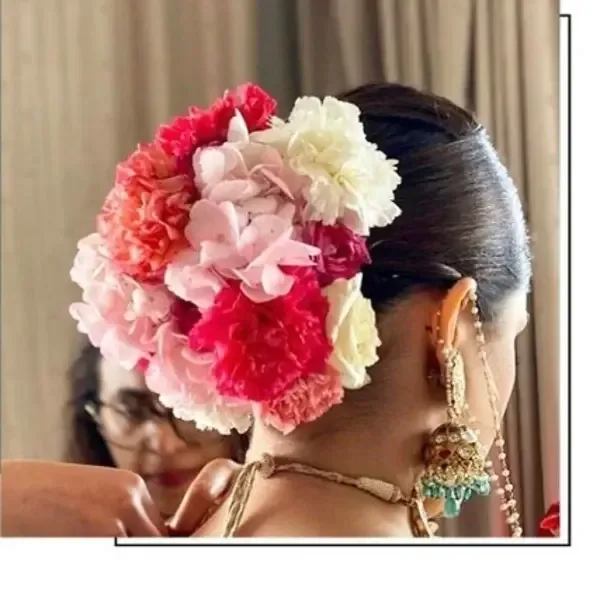
Weddings in Dombivli follow the Maharashtrian Hindu tradition closely. The Antarpat the cloth held between bride and groom before they first see each other the mangalashtak verses, the exchange of garlands to the beat of shehnai and nagarkhana these are observed with attention and love. Many families choose community wedding halls or temple auditoriums that have hosted generations of weddings before.
- Sakharpuda: The formal engagement, simple and intimate, often with immediate family only
- Haldi ceremony: Vibrant, with turmeric paste applied by aunts and cousins
- Antarpat ritual: The distinctive Maharashtrian moment of first revelation between bride and groom
- Mangalashtak: Eight Sanskrit verses sung during the pheras, often by a trained singer
- Griha-pravesh: The bride's first entry into her marital home, with traditional Kolam at the threshold
What Dombivli Families Look for in a Match
The profile of an ideal Dombivli match is remarkably consistent: educated (engineering, medicine, law, or post-graduation preferred), employed in a stable sector, from a known family with a clean reputation, and perhaps most distinctly someone who respects Marathi culture and religious practice without having to be reminded. A match who speaks Marathi, who has attended a Ganesh festival, who doesn't look puzzled at the mention of a Datta Jayanti celebration that person already has a head start.
Women in Dombivli are highly educated and professionally active. Many commute daily to Mumbai for work. They seek partners who will treat them as intellectual equals, share domestic responsibilities, and maintain family rituals without resentment. The ideal husband in Dombivli is cultured, stable, and comfortable in his own skin.
Social Life and Where Connections Are Made
The Ganapati festival transforms every Dombivli lane into a public drawing room for ten days. Families who might otherwise never meet find themselves standing at the same mandal, sharing prasad, watching the same cultural performances. It is perhaps the most active matrimonial season in the city though no one would describe it in those terms. Similarly, neighbourhood music sabhas, Marathi natak performances at Dombivli's excellent community theatres, and temple utsavs create a social world where families meet naturally, away from the artificiality of formal introductions.
In the digital age, Dombivli families use matrimonial apps with characteristic efficiency profiles are detailed, filters are applied carefully, and the platform is treated as a tool rather than a destination. The real conversation still happens over tea in a family drawing room.
Dombivli - Location Map
Explore the area and discover matrimony profiles near Dombivli.
Dombivli Matrimony FAQs
Why is Dombivli considered a Brahmin hub in the Mumbai region?
Dombivli attracted large numbers of Brahmin and Saraswat families from Konkan and Pune in the mid-20th century due to affordable housing and railway connectivity. The community has maintained its cultural identity through strong social institutions, religious organisations, and Marathi cultural activities.
What educational qualifications do Dombivli families prefer in a match?
Most Dombivli families strongly prefer candidates with engineering, medical, or postgraduate degrees. Civil services, banking, and government employment are also highly valued. The emphasis on education is considered a baseline rather than a bonus.
How are Dombivli Hindu weddings typically structured?
Dombivli weddings follow Maharashtrian Brahmin traditions including sakharpuda, haldi, antarpat ritual, and mangalashtak. Ceremonies are usually held in community halls or temple premises and involve close participation from neighbourhood and extended family.
Are Dombivli families open to matches from Mumbai or Thane?
Yes. Matches from other parts of the Mumbai Metropolitan Region — Thane, Kalyan, Ulhasnagar, Navi Mumbai — are very commonly sought. Proximity matters for family relationship maintenance. Matches from Pune are also considered, especially among the Brahmin community.
How do young people in Dombivli approach matrimony today?
Young Dombivlians are comfortable using online matrimonial platforms but family involvement remains strong. Most searches are initiated with parental knowledge, and meetings are arranged with both families present. Personal compatibility is increasingly important alongside family compatibility.