Chhindwara Hindu in Chhindwara Matrimony Profiles
Showing 6+ verified profiles · Hindu · Chhindwara · Chhindwara
Explore Chhindwara Hindu in Chhindwara Matrimony Profiles in Chhindwara with 6+ verified profiles on Corishta. From community filters to profile details, this page is built for serious matchmaking conversations.
🔒 View More Profiles
Register free to see full profiles, contact details, and photos.
- or -
Hindu Matrimony in Chhindwara – Roots in Madhya Pradesh's Green Heart
Chhindwara: Where the Forest Meets Family Values
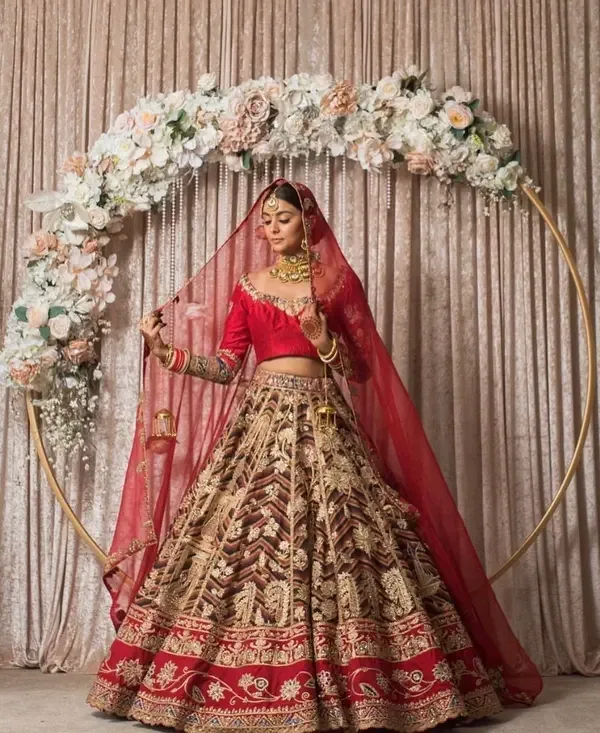
Chhindwara is not the Madhya Pradesh of the tourist brochure. It doesn't have the temples of Khajuraho or the ghats of Ujjain. What it has is something quieter and more lasting – dense teak and sal forests, a population that has stayed rooted for generations, and families who take the institution of marriage as seriously as the harvest season. The town sits in a natural bowl of green hills, and the people here carry that same calm depth. Life moves at a pace that allows real knowing of neighbours, castes, and family histories stretching back three or four generations.
How Hindu Marriages Work in Chhindwara
In Chhindwara's Hindu community, marriages are almost universally arranged through family networks and community elders. The local pandit plays a central matchmaking role, often knowing the gotra, family history, and professional standing of every Hindu household within a five-kilometre radius. The marriage process begins formally with the kundali exchange, and if the stars align, a family visit follows – typically a chai sitting where the groom's family assesses the girl and her household in one quiet but intense hour.
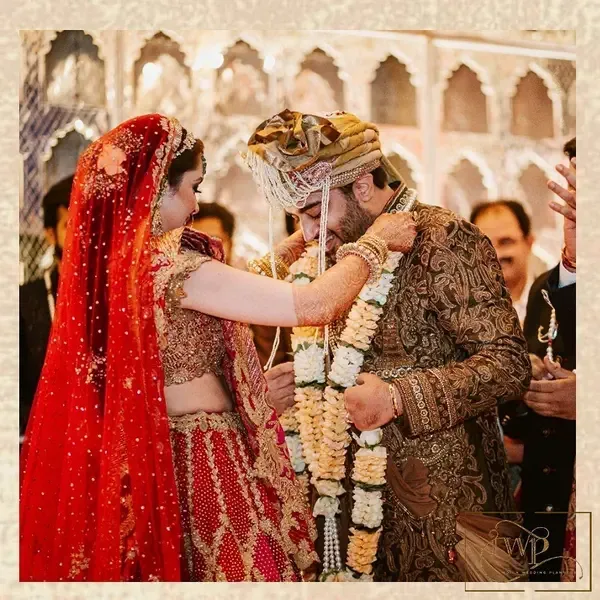
The wedding itself follows the Bundeli and Malwi Hindu tradition, with the saptapadi, sindoor dan, and a post-wedding feast that extends over two nights. The groom's party arrives with great fanfare – the local brass band playing film songs and folk tunes simultaneously is a Chhindwara tradition that nobody questions. The haldi ceremony is intimate and family-only; the baraat, however, involves the whole mohalla.
Community Composition in Chhindwara Marriages
- Brahmin families follow strict gotra and ritual protocols
- Kurmi, Lodhi, and Teli communities have strong internal marriage networks
- Tribal-adjacent communities like Gondi-influenced families add a distinct cultural layer
- Government job households are considered the most stable marriage prospects
- Agricultural landholding families carry traditional weight in match evaluations
Education, Mobility, and the Pull Back Home
Chhindwara has seen its young people leave for Nagpur, Bhopal, and Indore in large numbers. A significant chunk works in railway services, state government departments, and the SECL coal belt. These migrants maintain their Chhindwara identity fiercely, and when it comes to marriage, they want someone from home or at least from a family that understands the Chhindwara emotional landscape.
Girls from Chhindwara who have studied in Nagpur or Bhopal come back with wider perspectives but also with a genuine appreciation for the town's quieter pace. The marriage expectation for them is a partner who respects both their education and their family's culture – not a small ask, but increasingly findable as profiles on platforms like Corishta multiply.
Social Life as a Matrimonial Backdrop
Evening life in Chhindwara centres on the Parasia Road market area, the Shaheed Smarak ground, and the several Hanuman temples that anchor neighbourhood life. Pola festival, unique to MP and Vidarbha, is celebrated with genuine community energy here. These gatherings are where families spot each other, where word-of-mouth about eligible boys and girls travels fastest. The local vivaah sanstha – informal community marriage facilitation groups – still operate actively in Chhindwara and carry real matchmaking credibility.
How Corishta Helps Chhindwara Hindu Families
Corishta's matrimony search lets you find Hindu profiles from Chhindwara whether you are still in town or are now in Nagpur, Indore, or beyond. The platform understands the nuance of small-town MP families – the importance of caste, the weight of family reputation, and the need for a profile that shows genuine rootedness. Families from Chhindwara typically want to see family photos, parental details, and profession clearly listed – Corishta profiles accommodate all of this in a format that makes the first family conversation easier.
Chhindwara - Location Map
Explore the area and discover matrimony profiles near Chhindwara.
Chhindwara Matrimony FAQs
What communities dominate Hindu matrimony in Chhindwara?
Brahmin, Kurmi, Lodhi, and Teli communities are the largest Hindu marriage groups in Chhindwara. Each has its own internal networks, and most families marry within their caste group. Cross-caste matches are rare among older families but increasingly considered in educated households.
Do Chhindwara families use professional matrimonial services?
Families use a mix of the local pandit, community vivaah sanstha groups, and increasingly online platforms like Corishta. Online platforms are popular among younger people and those who have migrated to Nagpur or Bhopal.
Is dowry still practiced in Chhindwara Hindu marriages?
Dowry in its formal sense is legally prohibited, but gift exchange between families during weddings remains common. Progressive families in Chhindwara are actively moving away from this practice, particularly in educated households.
What is the preferred age for marriage in Chhindwara?
Families typically begin looking for matches for girls aged 21-25 and boys aged 24-28. Parents of girls who complete graduation begin matrimonial searches promptly, and delayed marriage beyond 28 is still a social concern in traditional households.