Central Delhi Hindu in Central Delhi Matrimony Profiles
Showing 7+ verified profiles · Hindu · Central Delhi · Central Delhi
Find Central Delhi Hindu in Central Delhi Matrimony Profiles in Central Delhi through 7+ verified profiles on Corishta. The listing is designed to make shortlisting easier for families looking for compatible and genuine matrimony matches.
🔒 View More Profiles
Register free to see full profiles, contact details, and photos.
- or -
Hindu Matrimony in Central Delhi – Old City, New Unions
Between Chandni Chowk and Connaught Place
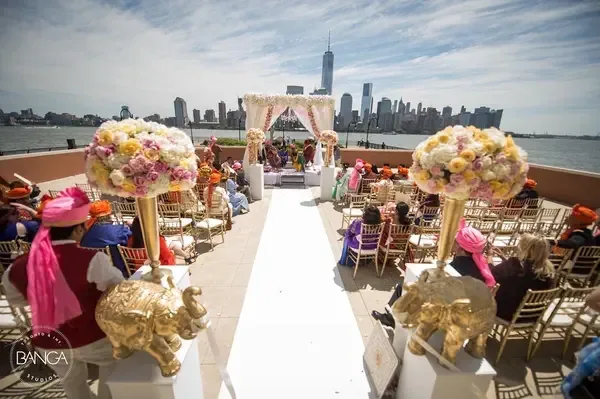
Central Delhi is where Delhi's oldest soul meets its most public face. From the lanes of Chandni Chowk where families have traded for three hundred years to the open boulevards of Connaught Place where modern Delhi conducts its business, this is a part of the city that never quite chooses between past and present it simply holds both, loudly and unapologetically. Hindu families in Central Delhi carry exactly this dual identity into their matrimonial search.
The families here are a mix: old Delhi mercantile families Agarwals, Khatris, Aroras who have lived in the same havelis for generations, alongside government families who arrived during Partition or in the administrative wave of post-Independence India. They share a neighbourhood but not always a matrimonial world, and understanding that geography creates a rich and sometimes complex matrimonial landscape.
The Identity of Central Delhi's Hindu Families
Old Delhi Hindu families are defined by their bazaar culture. Commerce runs through the family bloodline whether it is cloth in Kinari Bazaar, electronics in Lajpat Rai Market, or wholesale goods in Khari Baoli. Even families that have since moved into professional careers carry this commercial instinct: a sense of value, of negotiation, of long-term relationship-building that extends naturally into how they approach marriage alliances.
Agarwal and Baniya families in this area are particularly cohesive in their community networks. The local Marwari Sabha, the temple committee, the mohalla diwali celebration these are not incidental social activities but active nodes in the matrimonial network. A family that is well-embedded in these institutions has a significant advantage in finding good matches.
Marriage Traditions in Central Delhi's Hindu Families
Weddings in Central Delhi are grand, often exceeding the budgets of families far wealthier in other parts of the country. The cultural premium on visible celebration is deeply embedded here. A wedding in a prominent banquet hall in Karol Bagh or a farmhouse on the Mehrauli road is a statement of family standing. The guest list runs into hundreds, and the catering is always discussed long after the wedding is over.
- Roka ceremony: The informal first step tea, sweets, and a family blessing
- Sagan: Formal engagement with gifts exchanged between families
- Mehendi and sangeet: Elaborate pre-wedding events, often professionally managed
- Pheras and kanyadaan: Performed with Vedic rituals by a pandit the family has trusted for decades
- Reception: Large, glittering affairs where business connections and family circles overlap
What Central Delhi Families Look for in a Match
Business-minded families in Central Delhi look for stability in a specific form: established business or professional family background, own property or clear path to it, and a clean family reputation. Social mobility is admired, but old-money families often prefer their own kind. For women from these families, a partner who is either already running a family business or is a well-placed professional is ideal.
The city's pace also informs expectations: a partner who understands the rhythm of Delhi its festivals, its seasonal migrations to hill stations, its school system debates, its wedding season is inherently more compatible than someone from a background that cannot relate to any of this.
Modern Matches in the Heart of Old Delhi
Young Hindus from Central Delhi are often caught between the tightly networked community world their parents inhabit and the wider, more individuated world they have stepped into via education and technology. Many have studied in DU colleges, done MBAs, or work in media, law, or finance. They use matrimonial platforms with a kind of pragmatic efficiency treating the search like any other well-managed project.
They want partners who are attractive, ambitious, and educated but also someone who can comfortably sit at a joint family Diwali dinner and not feel alienated. That combination sharp modern sensibility with traditional ease is the Central Delhi matrimonial gold standard.
The Streets, Temples, and Social Spaces of Match-Making
Real connections in Central Delhi often begin in shared religious spaces a family puja at a neighbourhood temple, a visit to Birla Mandir, or a Navratri gathering. They also happen at community events in local clubs, at school reunions at DU's north campus colleges, or at professional networking events where families overlap. The city is small enough in its networks that connections happen naturally and large enough that a matrimonial platform provides essential structure to what might otherwise be overwhelming.
Central Delhi - Location Map
Explore the area and discover matrimony profiles near Central Delhi.
Central Delhi Matrimony FAQs
Which Hindu communities dominate Central Delhi matrimony?
Central Delhi has a strong presence of Agarwal, Khatri, Arora, and Brahmin families. Old Delhi's bazaar culture means mercantile families are particularly active in matrimonial networks. Community sabhas and temple committees remain important match-making nodes.
How important is family business background in Central Delhi Hindu matrimony?
Very important, particularly for established trading families. A prospective groom from a family with a long-standing business in Chandni Chowk or surrounding areas is viewed favourably. For professional families, career stability and educational background are weighted more heavily.
Are Central Delhi Hindu families open to matches from other Delhi neighbourhoods?
Generally yes, particularly South Delhi, West Delhi, and NCR matches. However, some old Delhi families do prefer alliances within their established community and geographic networks, especially for first-generation matches.
What role do temples and community events play in matrimony here?
Temples and community sabhas in Central Delhi are active social spaces where families interact regularly. Navratri events, janmashtami celebrations, and annual puja gatherings are known to spark many matrimonial conversations. These spaces remain relevant even in the digital age.
How do Central Delhi families feel about inter-community Hindu matches?
Older, more established families tend to prefer within-community alliances. Younger generations, especially those who have studied in mixed DU environments, are more open to inter-community Hindu matches, provided the family backgrounds are comparable in values and standing.