Bhavnagar Hindu Matrimony Profiles
Showing 8+ verified profiles · Hindu · Bhavnagar · Bhavnagar
Explore Bhavnagar Hindu Matrimony Profiles in Bhavnagar with 8+ verified profiles on Corishta. From community filters to profile details, this page is built for serious matchmaking conversations.


🔒 View More Profiles
Register free to see full profiles, contact details, and photos.
- or -


Hindu Matrimony in Bhavnagar – Commerce and Community Hub
Bhavnagar: Where Business Sense and Family Values Run Together
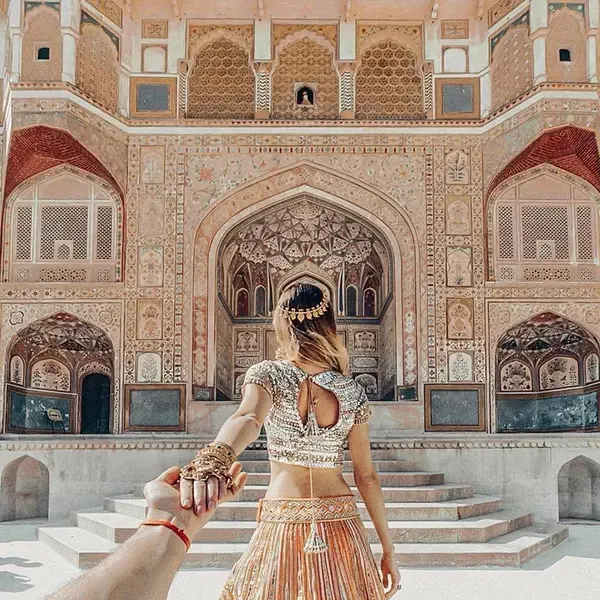
Bhavnagar's by the Saurashtra coast, buzzing with trade since the Gaikwad state. It’s known for diamond processing, Alang ship-breaking yards, and the entrepreneurial flair of Gujaratis. Families see marriage as a solid partnership—financial stability, cultural fit, and raising future generations matter. There’s emotion, sure, but it meshes with practical Gujarati life.
Hindu Marriage Traditions in Bhavnagar
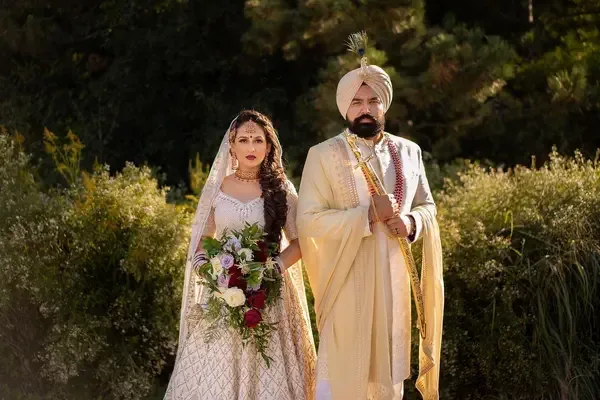
The Hindu wedding scene mixes Leuva Patel, Kadava Patel, Jain (with overlaps), Brahmin, and Rajput groups. The Saurashtra Brahmin and Leuva Patel are quite active in marriages. Weddings start with the pithi (haldi), chandlo matdi (the bride’s first family tilak), plus lively Garba nights—genuinely fun, not just shows.
The actual ceremony sticks to Gujarati customs – there’s jaanmala (garland exchange), kanyadaan, saptapadi, and the sindoor ritual. Especially among Patels, ties to ancestral villages matter big time, so families here often consult their village samaj for matrimonial decisions.
Bhavnagar's Matrimonial Criteria
- Ideal grooms usually come from business—diamond trade or textiles.
- NRI connections (USA, UK, East Africa) are highly valued due to Bhavnagar's migration history.
- Families want proof of financial stability through proper documents.
- Vegetarianism is common among Jain and many Hindu families.
- Compatibility with ancestral or community samaj is key alongside personal profiles.
The East African Connection and Bhavnagar's Diaspora

Like the rest of Saurashtra, Bhavnagar has a solid East African and UK community. Patel families moved to Kenya, Uganda, Tanzania early last century and later settled in the UK during the 1970s but kept their Saurashtra culture intact. Sometimes UK-based families find better matches within their own networks than locally. This builds an active global matrimonial network that sites like Corishta help connect.
A Bhavnagar professional working in Ahmedabad or Surat, who returns for Diwali or Navratri manages this dual life easily. Their search for marriage is about finding someone who gets city hustle while honoring family commitments back home.
Bhavnagar's Social Life and Matrimonial Gathering Points
The Takhteshwar temple's key for gatherings around religion. In Gaurikund area, Gangajalia ground during festivals and community samaj halls are places where families meet. Navratri Garba runs nine nights—the best—and serves both as celebration and matchmaking among Gujaratis.
Corishta for Bhavnagar Hindu Matrimony

Corishta supports Bhavnagar families—local or abroad—with profiles that fit cultural needs. If you're looking for a Leuva Patel match locally or an NRI rooted in Bhavnagar or searching within the Saurashtra culture—Corishta links you to profiles meeting your matrimonial needs.
Bhavnagar - Location Map
Explore the area and discover matrimony profiles near Bhavnagar.
Bhavnagar Matrimony FAQs
What Hindu communities are big in Bhavnagar matrimony?
Leuva Patel, Kadava Patel, and Saurashtra Brahmin are the main ones in Hindu matrimony here. Jain families also mix in culturally, even though they're a different religion.
How does the village samaj affect marriage choices in Bhavnagar?
Even if Patel families have been in Bhavnagar for a long time, their ancestral village samaj still has a say in marriage decisions. If the samaj approves a match, it gives it a seal of community approval. But if there's any objection from the community, it can create social pressure.
How big of a deal are the UK and East African ties in Bhavnagar marriages?
They're a big deal. There's a large East African and UK Patel community connected to Bhavnagar. These family ties keep marriage links strong between Bhavnagar, the UK, and East Africa. Matches from these groups are really valued.
Do you have to be vegetarian for Bhavnagar Hindu matches?
In most traditional Bhavnagar families, you do. They're pretty firm on that, especially in households with Jain backgrounds or if they're Brahmin. Business families from the trading class also mostly stick to a vegetarian diet.
 App Store
 Play Store
