Banjara Hindu Matrimony Profiles
Showing 9+ verified profiles · Hindu · Banjara
Browse 9+ verified Banjara Hindu Matrimony Profiles on Corishta. Families exploring suitable matches can review active profiles, shortlist preferences, and connect with genuine members.
Banjara Matrimony Bihar – Nomadic Roots, Colorful Traditions
The Road That Became a Home: Banjara Identity and Marriage
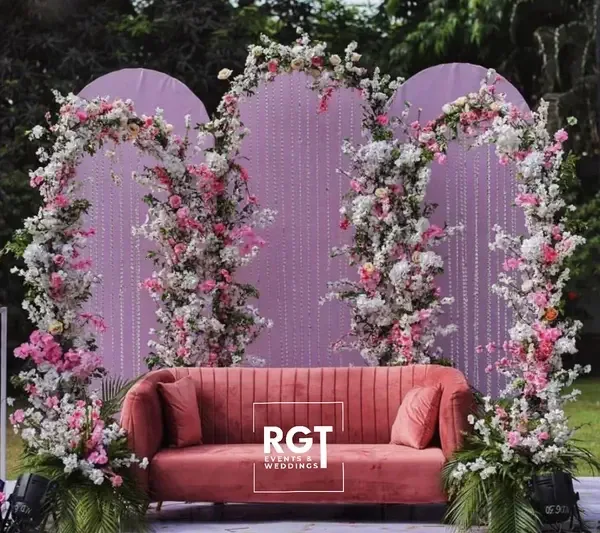
There is a particular kind of rootlessness that becomes, over generations, its own deepest root. The Banjara community historically the great nomadic trading and transport people of India carried goods across the subcontinent on ox-caravans for centuries before the railways changed the world they had built. In Bihar, where significant Banjara populations have settled and built permanent communities over the past century, this nomadic heritage expresses itself not in wandering but in a vivid, colorful, deeply communal culture that remains one of the most visually striking in the country.
Walk into a Banjara celebration a wedding, a harvest festival, a naming ceremony and you will immediately understand what centuries of caravan culture created: a people who carry their beauty with them. The women's elaborate embroidered clothing, the heavy silver jewelry, the mirror-work that catches every available light, the percussion-heavy folk music that seems to carry the rhythm of ox hooves on ancient trade roads all of this is not costume or performance. It is identity, worn with pride and joy.
The Banjara Matrimonial World in Bihar
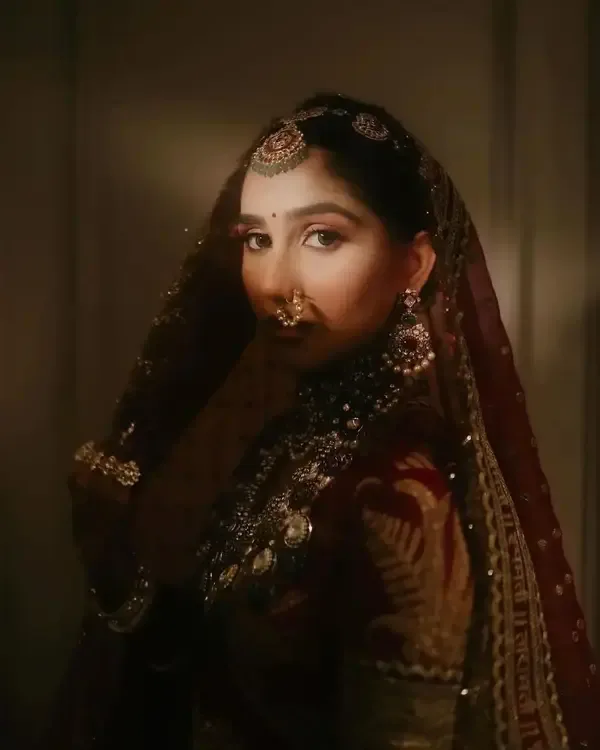
Banjara matrimony in Bihar is a community-centered affair of considerable complexity and celebration. The community is organized through kul (clan) networks, and matrimonial eligibility is determined partly by clan affiliation cross-kul marriages are preferred, reinforcing the community's traditional habit of building alliances across caravan groups. The naik (community headman) or respected elders play a central role in managing matrimonial negotiations, ensuring community norms are observed and disputes resolved.
Weddings in the Banjara community are legendary for their color and duration they can stretch across multiple days, with different ceremonies, feasts, and rituals each day. The music performed at Banjara weddings percussion, wind instruments, and the distinctive oral tradition of Gorari folk songs creates an atmosphere unlike anything in mainstream Indian culture. These are celebrations that honor the community's nomadic joy the abundance they found not in settled wealth but in movement, music, and human connection.
Cultural Traditions That Shape a Banjara Home
A Banjara household carries its cultural identity in visible ways. The women's traditional dress the kanchali (blouse) and lehenga with elaborate mirror work and embroidery may be worn daily in rural communities and for special occasions in urban settings. Silver jewelry is a marker of family wealth and social status; the bride's jewelry collection tells the story of her family's prosperity across generations.
The Banjara deity tradition centers on Sevalal Maharaj, the community's patron saint who preached environmental protection and community harmony. His birthday (Sevalal Jayanti) is the most important community festival, celebrated across Banjara settlements with fasting, prayer, and joyful community gatherings. A family's observance of Sevalal Maharaj's teachings is a measure of their community identity and spiritual grounding.
Modern Banjara Life and Matrimonial Values
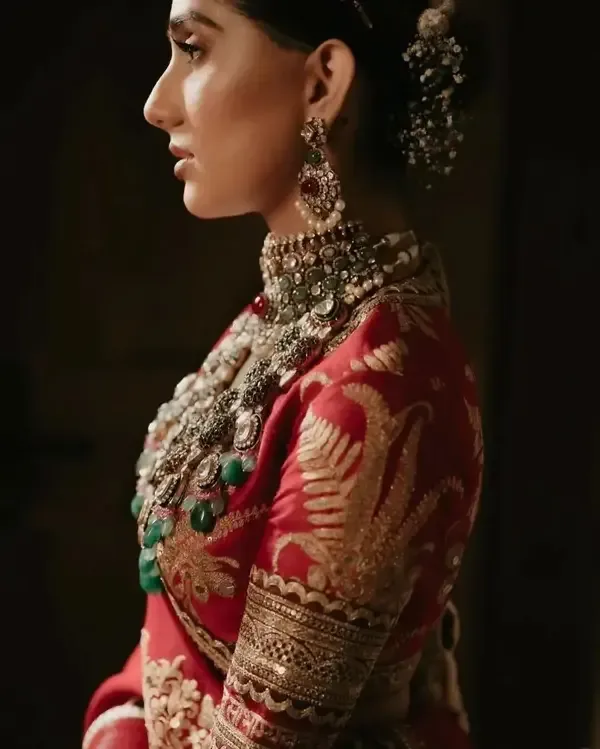
The Banjara community in Bihar has navigated significant social transitions from nomadic trade to settled agriculture to urban migration. Many young Banjara men and women are today first-generation college graduates, government employees, and urban professionals. This transition has created both opportunity and challenge: how to maintain the community's extraordinary cultural richness while building modern lives?
In matrimonial terms, this means that today's Banjara families typically seek matches that balance cultural rootedness with professional achievement. A prospective match who is educated and employed but who also knows Sevalal Maharaj's story, who respects the community's traditions, and who will help raise children connected to their heritage this is the ideal in most Banjara families' minds.
- Kul (clan) compatibility is a primary matrimonial criterion
- Educational achievement and employment stability increasingly important
- Connection to Banjara cultural traditions and Sevalal Maharaj's teachings valued
- Community elder and naik involvement in matrimonial process respected
- Cultural pride in dress, music, and celebration expected
- Family reputation within the local Banjara settlement
Find Your Banjara Match Heritage and Future Together
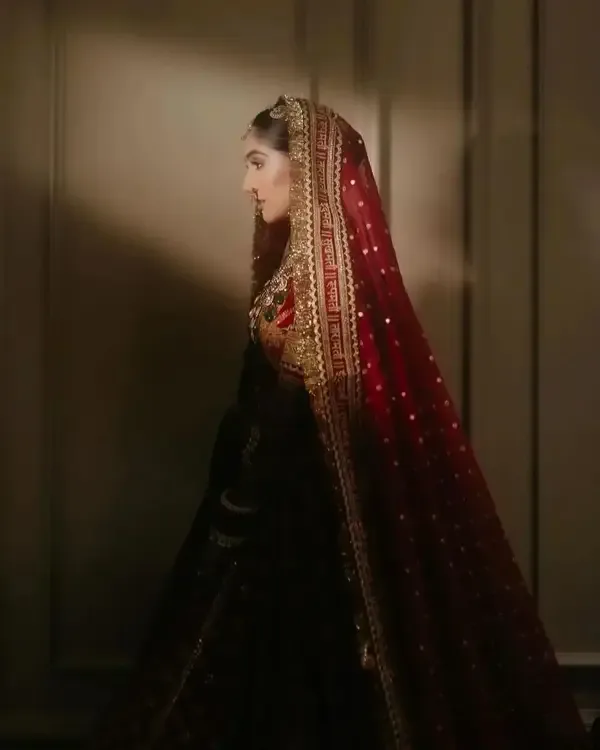
The Banjara community carries one of India's most beautiful cultural inheritances. The search for a life partner within this community is a search for someone who understands what it means to carry a whole world inside your culture the road, the color, the music, the community, and the faith. This platform honors that inheritance while helping your family find the match that will carry it forward into the next generation.
Banjara Matrimony FAQs
What is the significance of kul (clan) in Banjara matrimony?
Kul represents patrilineal clan identity in the Banjara community. Cross-kul marriage is traditional, reflecting the nomadic practice of building alliances between different caravan groups. Kul compatibility is one of the first criteria evaluated in any matrimonial search.
Who is Sevalal Maharaj and why is he important in Banjara culture?
Sevalal Maharaj is the revered patron saint of the Banjara community, celebrated for his teachings on environmental protection, community harmony, and moral living. His Jayanti is the most significant annual community celebration. A family's devotion to his teachings reflects their community identity and spiritual values.
What is the traditional Banjara wedding celebration like?
Banjara weddings are multi-day celebrations featuring elaborate folk music, traditional Gorari songs, distinctive embroidered dress, heavy silver jewelry, and feasts. They are known for their color and communal energy, with community elders and the naik playing important ceremonial roles.
How is the Banjara community in Bihar adapting to modern life?
The community is transitioning from its traditional nomadic and agricultural economy into urban employment and professional careers. First-generation college graduates are increasingly common. Matrimonial searches now balance traditional community criteria (kul, elder approval, cultural connection) with modern priorities (education, professional stability).
Are Banjara families open to matches outside their immediate settlement?
Yes. The cross-kul marriage tradition means Banjara families have historically connected across geographic distances. Modern matrimonial searches extend this to different states and cities, provided kul compatibility and community connection are maintained.
Explore Banjara Matrimony Reach Across Maharashtra
Families searching for Banjara matrimony often prefer matches by language, lifestyle, and nearby regions; these state clusters highlight where most active options are available.
Find Banjara Hindu Matches
Find Banjara Brides & Grooms in Major Cities
Explore city-wise matchmaking options for Banjara to shortlist compatible profiles for marriage in active local hubs.
All cities include verified active profiles updated regularly.