Azamgarh Hindu in Azamgarh Matrimony Profiles
Showing 8+ verified profiles · Hindu · Azamgarh · Azamgarh
Browse 8+ verified Azamgarh Hindu in Azamgarh Matrimony Profiles on Corishta. Families exploring suitable matches in Azamgarh can review active profiles, shortlist preferences, and connect with genuine members.
Top Religions in Azamgarh
City-focused religion hubs connected through published SEO pages.
🔒 View More Profiles
Register free to see full profiles, contact details, and photos.
- or -
Hindu Matrimony in Azamgarh – Purvanchal's Pride and the Weight of Tradition
Azamgarh: Where Reputation Is the Currency of Matrimony
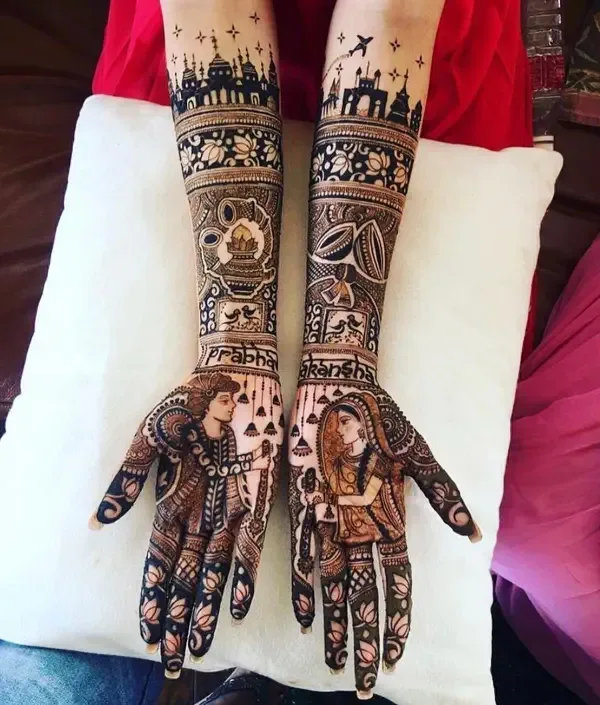
Azamgarh occupies a particular place in India's social imagination – it has been unfairly stereotyped in the national media while its residents know it as a district of poets, scholars, and civil service toppers. It has produced more IAS officers per capita than most UP districts, generated a literary tradition in Urdu and Hindi that its educated families carry with pride, and maintained a social fabric of close-knit communities where family reputation is the single most important matrimonial asset. When a family in Azamgarh evaluates a match, they are evaluating a history – three generations of conduct, name, and standing in the local community.
Hindu Marriage in Azamgarh's Purvanchal Tradition
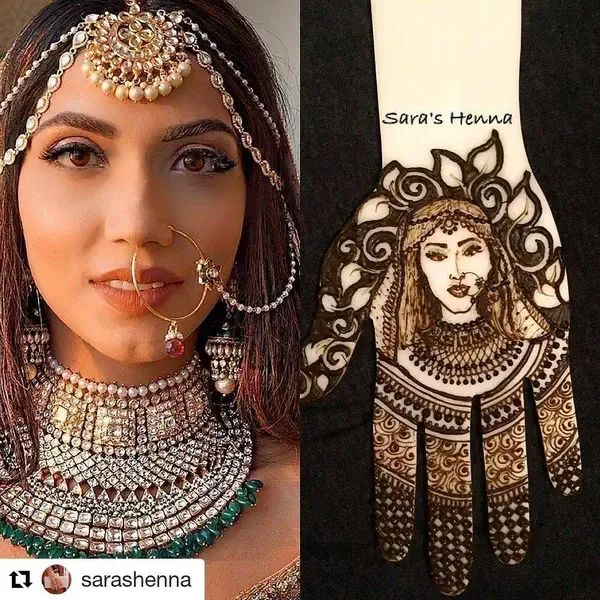
Azamgarh's Hindu communities – Brahmin, Rajput (Thakur), Yadav, Kurmi, and Patel – follow the broad Purvanchal tradition of eastern Uttar Pradesh, with significant Bhojpuri cultural influence. The wedding is a three-day affair: the Ganesh puja and tilak ceremony on the first day, the baraat and pheras through the second night, and the post-wedding pag phera when the bride returns briefly to her natal home. Throughout all these rituals, the women's folk singing – the Sohar, Gaar, and Mangalachar – provides the cultural soundtrack that marks the event as authentically from this region.
Azamgarh's Brahmin families particularly maintain strict gotra restrictions and require kundali compatibility as a pre-condition. The match evaluation process here is deliberate and thorough – families spend weeks gathering background information about the other family through their own networks before agreeing to a formal meeting. The quality of this background check is taken seriously; a family discovered to have withheld information after the match is formalised loses social standing in Azamgarh's highly connected community.
What Azamgarh Hindu Families Require
- Family reputation – the most important factor, assessed through shared social networks
- Government service, especially IAS, IPS, or teaching, carries the highest professional prestige
- Agricultural land ownership in the district is a positive marker of establishment
- Gotra and caste compatibility are mandatory filters for Brahmin families
- Girls who have studied in Varanasi, Allahabad, or Lucknow bring educational prestige
Azamgarh's Diaspora and the IAS Dream
Azamgarh's most famous social fact is the extraordinary number of civil service achievers it has produced. This creates a matrimonial dynamic where civil service aspirants and achievers command exceptional prestige. The young man preparing for UPSC in Delhi but from an Azamgarh family is considered among the most matrimonially desirable profiles in the district. A family that has produced an IAS officer in the last two generations has a permanently elevated social standing.
The large Azamgarh diaspora in Mumbai – concentrated in Goregaon, Malad, and the textile trade areas – maintains its Azamgarh identity with remarkable intensity. These migrant families look for matches with Azamgarh roots specifically, because the shared cultural understanding of Purvanchal values saves years of family adjustment. Corishta's search functionality enables this diaspora to find culturally grounded matches efficiently.
Social Life and Matrimonial Networks in Azamgarh
The Durvasa Muni Ashram and Durgakund temple, the district melas, and the literary and cultural events tied to Azamgarh's poet tradition – the Nirala Smaroah, for instance – are gathering points where educated families meet. The vast network of local schools, colleges, and coaching institutes for competitive exams keeps the young population socially connected. Community gatherings during harvests and festivals create natural spaces for matrimonial intelligence to flow.
Corishta for Azamgarh Hindu Matrimony

Corishta serves Azamgarh families and the city's diaspora in Mumbai and Delhi by providing detailed, community-specific Hindu matrimonial profiles. The platform allows filtering by community, profession, civil service background, and family location. For a community that takes reputation research seriously, Corishta's verified profiles provide the foundation for the thorough background work Azamgarh families conduct before making a first call.
Azamgarh - Location Map
Explore the area and discover matrimony profiles near Azamgarh.
Azamgarh Matrimony FAQs
Why is Azamgarh known for civil service achievers and how does this affect matrimony?
Azamgarh has produced a disproportionately large number of IAS and IPS officers relative to its size. This creates a matrimonial hierarchy where civil service families are at the top. Families with IAS achievers in recent generations have significantly elevated matrimonial standing and can be selective about matches.
How important is family reputation in Azamgarh Hindu matrimony?
Family reputation is the primary matrimonial currency in Azamgarh. Families spend considerable time gathering background information through their networks before a formal meeting. A family with a history of social dispute or dishonour faces significant matrimonial difficulty in this closely networked community.
Which Hindu communities are most active in Azamgarh matrimony?
Brahmin, Rajput (Thakur), Yadav, Kurmi, and Patel communities are the main groups. Each has its own internal network. The Brahmin community particularly maintains structured gotra-based filters.
How does the Azamgarh diaspora in Mumbai approach matrimony?
Mumbai's large Azamgarh community – concentrated in the textile trade and business areas of Goregaon and Malad – maintains strong community ties and strongly prefers matches with Azamgarh roots. Community organisations in Mumbai facilitate these matches, and online platforms like Corishta are actively used.