Gursikh Matrimony Profiles
Showing 14+ verified profiles · Gursikh
Corishta brings together 14+ verified options for Gursikh Matrimony Profiles. Whether families are browsing by community, city, or marriage intent, this section supports focused partner discovery.




🔒 View More Profiles
Register free to see full profiles, contact details, and photos.
- or -




Gursikh Matrimony: Where Faith Meets Devotion and Discipline
In the Waheguru's Name, Two Souls Become One

For a Gursikh family, marriage isn't just about social ties; it’s a spiritual bond. The Anand Karaj, or the "Ceremony of Bliss," happens in front of the Guru Granth Sahib. The couple makes four rounds around this holy scripture—the most sacred moments of their life together. Each round ties into Gurbani by Guru Ram Das, showing the soul’s path to the divine and reflecting how couples connect with each other. Gursikh marriage is all about growing spiritually side by side.
Gursikh homes revolve around Naam (remembering God), Daana (giving), and Ishnan (being clean in body and mind). Morning prayers, reading Nitnem banis, and serving at langar aren’t extras—they're essential. They're what structure Gursikh lives.
What Makes a Gursikh Match

A Gursikh family's first questions for a match aren't about job titles or money. They want to know if this person lives their faith genuinely. Do they go to Gurudwara? Do they keep up with morning prayers? Are they involved in seva? This checklist matters way more than career details.
Especially, Amritdhari Sikhs—those who've taken Amrit—look for matches who share that commitment to wearing the five Kakaars (Kesh, Kangha, Kara, Kachha, Kirpan). It's not just part of their identity; they seek partners who understand it deeply.
The Anand Karaj Ceremony
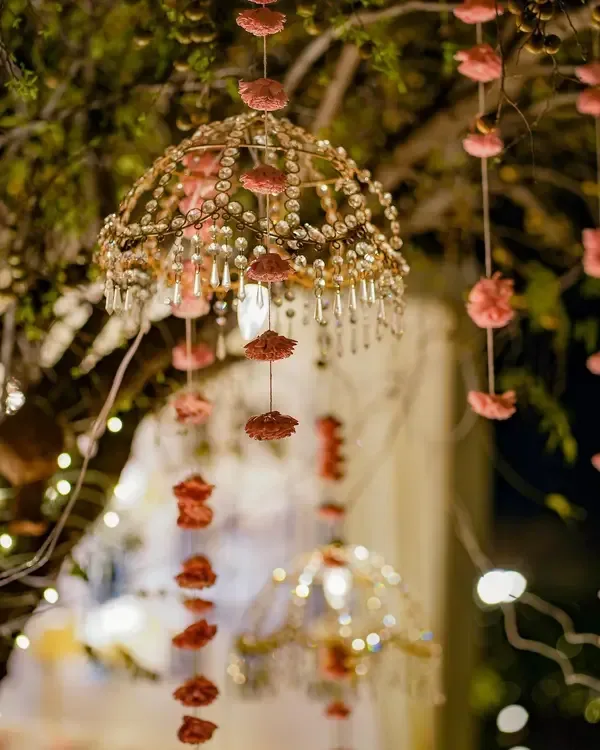
The Anand Karaj takes place in front of the Guru Granth Sahib. During this ceremony, the couple faces the Granth Sahib while the granthi recites four laavaan. Before each round, he explains its meaning as they walk clockwise around the scripture with the groom leading. The ceremony wraps up with Anand Sahib and everyone receives Karah Prasad.
Before the wedding, families do an akhand path, a 48-hour continuous recitation of the Guru Granth Sahib at both homes. When it wraps up on wedding morning, there's a deep feeling of blessing in both houses. There’s no party on the night before; they fill their home with scripture instead. That’s how Gursikhs do it.
Modern Gursikh Families and the Search for a Partner
The Gursikh community is spread out globally—North America, UK, Australia, East Africa. Lots of Gursikhs are doing well professionally—think doctors, engineers, artists—but no one lets careers overshadow spiritual values at home. These two parts should work together during match searches.
Evolving times mean Gursikh women are now very educated and accomplished while staying connected to spirituality. They seek equality in marriage as something that's theirs by right—just like Sikh beliefs say every soul has equal standing before Waheguru. Men are raised as protectors and providers too. That's talked about honestly before tying the knot.
- Amritdhari and non-Amritdhari profile filters
- Nitnem and Gurudwara practice marked in profiles
- International Gursikh diaspora included in listings
- Family checked against Gurudwara references
- Support tailored for Gursikh bridal searches
Waheguru connects souls under his guidance. Let us help you find your partner for those four sacred steps.
Gursikh Matrimony FAQs
What's the Anand Karaj ceremony in Sikh weddings?
Anand Karaj is the Sikh wedding ceremony held with the Guru Granth Sahib present. The couple walks around it four times while verses from Guru Ram Das's lavaan are recited, marking their spiritual bond.
How big a deal is faith practice for Gursikh marriages?
Faith practice is usually the top thing Gursikh families look for. They check stuff like daily prayers, going to the gurudwara, helping with langar, and sticking to Sikh identity even before they think about jobs or other social stuff.
Why is it important to be Amritdhari in Gursikh marriages?
Amritdhari Sikhs have gone through Sikh baptism and are committed to wearing the five Kakaars. For Amritdhari families, finding an Amritdhari partner is usually a must-have for strong spiritual compatibility.
What's the akhand path tradition before a Gursikh wedding?
An akhand path is when they read the Guru Granth Sahib nonstop for 48 hours at the family’s home before the wedding. They finish it on the morning of the wedding, which is seen as a big blessing for the couple’s new life together.
Can I find Gursikh diaspora profiles on matrimonial sites?
Yep. The Gursikh community is spread out across North America, the UK, Australia, and East Africa. We've got international Gursikh profiles, and you can use special search filters to find people from these regions.
Explore Gursikh Matrimony Reach Across Punjab and Delhi
With 14 profiles spread across major states, this map-style listing helps identify where Gursikh matchmaking opportunities are most practical.
Find Gursikh Brides & Grooms in Major Cities
Explore city-wise matchmaking options for Gursikh to shortlist compatible profiles for marriage in active local hubs.
City pages are refreshed with active profile availability for reliable matchmaking discovery.
 App Store
 Play Store
