Gujrati Matrimony Profiles
Showing 18+ verified profiles · Gujrati
Find Gujrati Matrimony Profiles through 18+ verified profiles on Corishta. The listing is designed to make shortlisting easier for families looking for compatible and genuine matrimony matches.



🔒 View More Profiles
Register free to see full profiles, contact details, and photos.
- or -




Gujarati Matrimony: Tradition Meets Home Comfort & Prosperity
The Gujarati Spirit: Enterprising, Devoted, Enduring

Gujarat's not only about merchants and saints; there's a spirit of bravery too. They all share a strong foundation—solid values guide them. In Gujarati homes, business skills mix with spiritual practices that build lasting bonds while being generous to those who need help. That’s how they see marriage as something significant.
People underestimate the diversity within the Gujarati community. There are Brahmin (Anoopam, Nagar), Patel (Kadva, Leuva), Jain (Shwetambar), and Bania (Kapol, Modh). They all speak Gujarati and have this cultural pride keeping them close. This mix really adds to the experience of finding a match.
Community Life, Festivals, and Cultural Identity
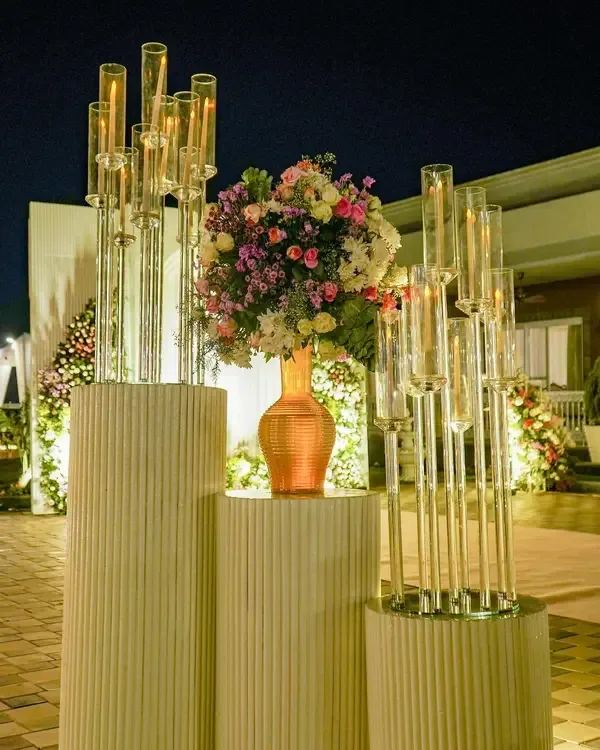
The Gujarati calendar fills up with festivals and events regularly. Take Navratri—those nine nights of Garba—it’s anything but ordinary; it unites everyone with vibrant colors and lively rhythms. Dandiya dance and family gatherings are special traditions passed down through generations. These celebrations hold key significance when families look for suitable matches.
Can you dance Garba? And can you cook traditional Undhiyu or celebrate Paryushan with your family? These things are important—they highlight shared experiences that can enhance a strong Gujarati marriage.
Gujarati Wedding Traditions
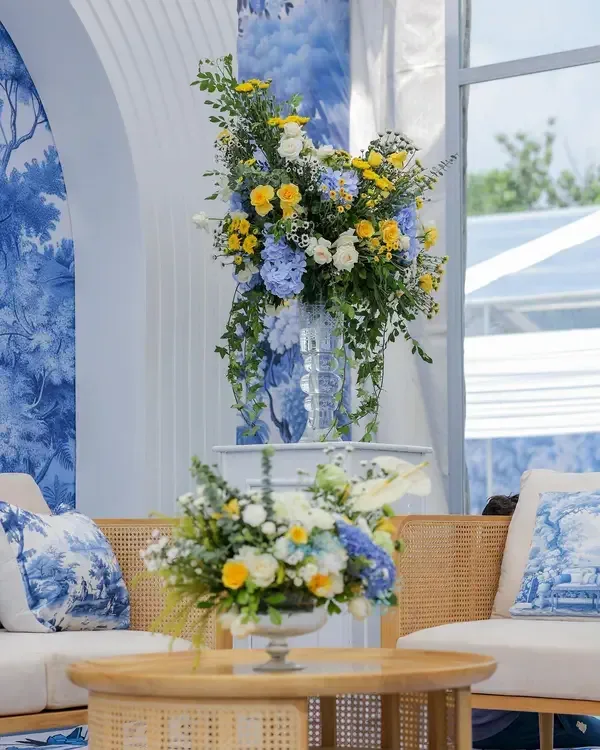
A Gujarati wedding is quite an experience; it attracts all senses. The mandvo, or wedding pavilion, feels alive because of the family's effort in preparations. Pre-wedding festivities include fun activities like the engaging pithi ceremony, joyous garba, and mehndi nights filled with cheerful singing under excitement.
The wedding day includes essentials like the phere, where couples circle a sacred fire meant to unite them as one. And let’s not forget the fun joota chhupai game where sisters bargain for shoes—a hilarious tradition! Plus there’s the lovely doodh piyo ritual where milk is served to in-laws from the bride—hinting at her new role in the family. Each ritual holds significance; families take pride in those customs.
Modern Gujarati Professionals and Their Match
Your young first-gen Gujaratis get what's happening globally—they’re making waves in finance, tech, health care, fashion while sticking to their roots. They often seek partners who fit their vibe—ambitious yet warm-hearted; modern but grounded; independent yet family-oriented when needed.
The community extends worldwide—from Leicester to Kenya and even Surat—so international matches offer chances for celebration! A family in Leicester can click with another fam in Surat. Across oceans they share values like a love for khichdi alongside similar home life expectations showing how culture stays strong from afar.
- You can filter by various sub-communities like Patel, Jain, Bania or Brahmin too.
- Global profiles welcome listings with helpful international filters available.
- Cultural fit? Definitely matters! So—are you into Navratri?
- Your education level provides important considerations!
- Add family connections backed by genuine community references ensures solid networking!
In Gujarat they say: wherever there’s a Gujarati there’s good business; wherever there's family food will flow! Come on board building connections today!
Gujrati Matrimony FAQs
What sub-communities are part of Gujarati matrimony?
Gujarati matrimony has a bunch of sub-communities like Patel (Kadva, Leuva), Jain (Shwetambar, Digambar), Bania (Kapol, Modh), Brahmin (Nagar, Audichya), Charan, and Rabari. Each group has its own unique customs and marriage connections.
Why is Navratri important in Gujarati weddings?
Navratri and Garba mean a lot to Gujarati families. Being part of these traditions usually shows someone cares about staying connected with the Gujarati community.
What's the doodh piyo part in Gujarati weddings?
After the wedding, the bride serves milk to her in-laws to welcome them and step into her new family role. It's a special tradition in Gujarati weddings.
Are Gujarati families using matrimonial sites to find matches abroad?
Yep, they are. Gujarati families in the UK, East Africa, and North America use these sites a lot. Being far away isn’t a big deal since they have the same culture and language.
What do Gujarati families want in a partner?
They often value someone with business smarts or a successful career, who appreciates their culture, is warm with family, and is honest and generous. It's great if they can balance modern ambitions with traditional family values.
State-wise Gujrati Matrimony Opportunities in Gujarat and Madhya Pradesh
Families searching for Gujrati matrimony often prefer matches by language, lifestyle, and nearby regions; these state clusters highlight where most active options are available.
Gujrati Matches Across Top Cities
Discover where Gujrati brides and grooms are most active so your matchmaking search stays focused and practical.
City pages are refreshed with active profile availability for reliable matchmaking discovery.
 App Store
 Play Store
