Goswami Matrimony Profiles
Showing 9+ verified profiles · Goswami
Explore Goswami Matrimony Profiles with 9+ verified profiles on Corishta. From community filters to profile details, this page is built for serious matchmaking conversations.




🔒 View More Profiles
Register free to see full profiles, contact details, and photos.
- or -



Goswami Matrimony - Unite in Love & Sacred Heritage
Descended from Devotion Itself
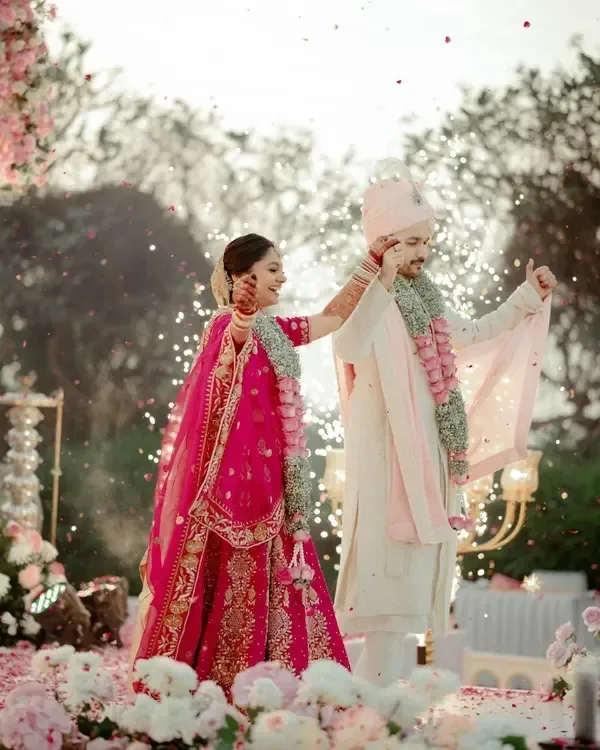
The Goswami community has a rich tradition of devotion. They can trace their history back to great Vaishnav saints and acharyas influencing bhakti in India. A Goswami upbringing means you take responsibility for worship, learning, and discipline built over generations.
When families here look for marriage matches, they start by checking about seva traditions—like serving deities or keeping the ancestral mandir maintained. It's more telling than just small talk; a Goswami marriage ties two devoted families together.
The Living Tradition of Goswami Households

A Goswami home has devotion all around—the smell of incense, kirtans going on, a shrine that's often used for prayers. This reflects real life, not just performance. Every morning includes setting up the puja thali with flowers, tulsi leaves, and fresh offerings. Traditions like Ekadashi, Janmashtami, and Radhashtami are celebrated with deep roots.
This community keeps temple rituals alive for sampradayas like Pushtimarg, Ramanandi, Nimbarki, etc. Each one offers its unique flavor—varying philosophies and kirtan styles. Even within the community, there’s diversity. Compatibility involves knowing someone’s family sampradaya and its effect on religious practice.
Marriage as Sacred Seva
For Goswamis, marriage is like seva—it’s an offering. The couple is not just gaining a partner; they're swearing to nurture kids in devotion and support their community. Their wedding shows this through overflowing flowers and ghee along with meaningful Sanskrit mantras attended by family.
The sehrabandi, kanyadan, and pheras convey significant Vaishnav meaning. Often, the couple receives blessings from their family deity which occurs under divine care.
What Goswami Families Seek in a Partner
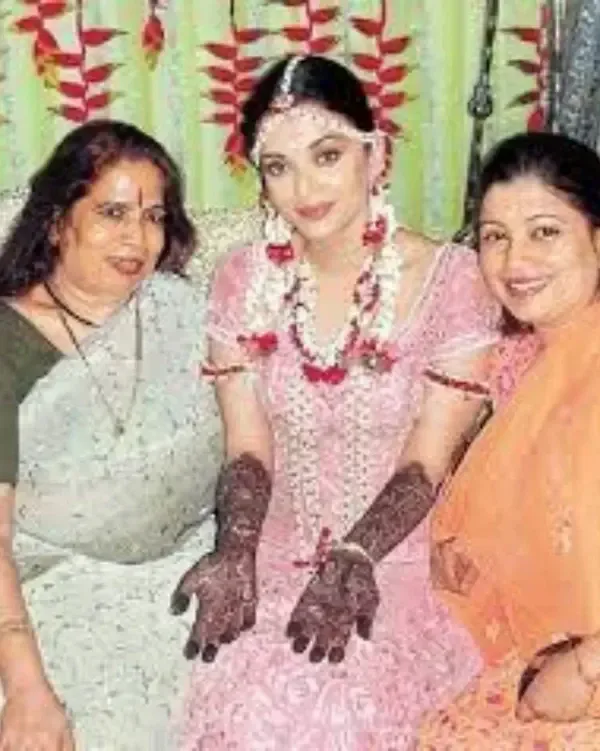
An ideal match for a Goswami family would be someone who:
- Grew up in devotional spaces understands religious households
- Acknowledges Vaishnav ways—including vegetarianism
- Participates in mandir or community service
- Puts patience above flashy external achievements
- Keeps in mind that a Goswami home welcomes everyone in the community
Today’s Goswami professionals balance work with home life pretty well. Many excel in careers but make evening aarti essential while enjoying weekend kirtans without seeing them as chores.
Emotional Depth of the Goswami Community

The emotional richness here comes from bhakti—that love means true devotion. This creates strong family bonds; they deeply connect through care as bhakti poets suggest: everyone loved reflects divinity.
A typical Goswami grandma is often the heart—she can recite Ramcharitmanas by memory and fasts every Monday guiding younger generations with love based on wisdom intertwined with scriptures. A bride or groom shaped by such insights embodies emotional depth that feels rare yet invaluable.
The Search for a Devotional Life Partner
If you're after a Goswani match, genuine devotion matters most. Families appreciate respectful approaches to traditions. This community shines through lovely rituals and understanding while showing kindness throughout. Marrying in means embracing a loving lineage—not only caring for others but also sharing endless love rooted in bhakti.
Goswami Matrimony FAQs
What Vaishnav groups do Goswami families usually belong to?
Goswami families are linked to different Vaishnav groups like Pushtimarg, Ramanandi, Nimbarki, and Vallabh. The specific group matters since it affects things like their worship routines, what they eat, and how they handle ceremonies. So, it's a good idea to know this during marriage talks.
Do all Goswami families follow a strict vegetarian diet?
Yeah, pretty much all Goswami families stick to being strictly vegetarian since it’s a key part of Vaishnav devotional practice. They usually want future partners to stick to the same diet too.
What happens at a Goswami wedding?
Goswami weddings are pretty detailed. They follow Vedic traditions and have a lot of Vaishnav touches. Usually, the family deity is called upon during the ceremony with Sanskrit rituals involved. People in the community show up with great respect. Before the main wedding, there are often several pre-wedding events like tilak and sangeet.
What do Goswami families do for temples and the community?
Many Goswami families have handed-down jobs as priests, acharyas, or temple caretakers. They take care of things like kirtans, festivals, and religious talks—seeing it as a family duty and part of their social identity.
How do Goswami families balance modern careers with religious traditions?
Goswami families usually support education and career goals, as long as religious practices at home, like evening prayers and festivals, are still followed. These rituals are seen as must-dos, even for those with busy careers.
Goswami Matrimony Profiles Across Delhi
Families searching for Goswami matrimony often prefer matches by language, lifestyle, and nearby regions; these state clusters highlight where most active options are available.
Goswami Matches Across Top Cities
Discover where Goswami brides and grooms are most active so your matchmaking search stays focused and practical.
All cities include verified active profiles updated regularly.
 App Store
 Play Store
