Goan Matrimony Profiles
Showing 1+ verified profiles · Goan
Corishta brings together 1+ verified options for Goan Matrimony Profiles. Whether families are browsing by community, city, or marriage intent, this section supports focused partner discovery.
Goan Matrimony: Embrace Coastal Tradition & Warm Culture
Where Two Cultures Made Peace With Each Other

Goa’s the only place in India where Portuguese baroque architecture and Hindu temples go together. It's more than geography; it shows the Goan spirit where locals mix their lives. Whether Catholic or Hindu, Goans coexist in a way that's pretty unique.
Goan Catholicism has a different vibe than Catholic communities elsewhere. Local music, wedding traditions, and how they connect with saints show the link between life and faith here. In return, Goan Hinduism takes on this easygoing feel from their ties with Christians. So, Goan identity is neither totally Portuguese nor purely Indian—it’s an evolving blend.
The Goan Home: Food, Music, and Open Doors
If you want to really understand a Goan family, check out their kitchen. The food—fish curry and rice, sorpotel, bebinca—tells tales of mix cultures. Every dish reflects diverse influences while adapting based on what's fresh—that flexibility's everywhere.
Music matters in Goan households. A Christian family might have choir schedules visible while a Hindu family plays Konkani folk at gatherings. Think about that outdoor warmth with sea sounds (even if just memories) and fragrant spices cooking—that's what defines any Goan home.
Matrimonial Meetings: Easy and Careful
Goan matchmaking meetings are pretty laid-back for Indian standards. It’s more chatting than judging. Drinks come out—soft or hard—depending on comfort levels, and talks flow easily. But relaxed doesn’t mean they aren’t evaluating—it's about finding the right fit for their child along with comfort in being genuine where laughter counts just as much as stability.
For Goan Catholic families, church attendance comes up naturally. For Hindus, topics on traditions and deities fill discussions too. Both communities are open to matches across faith lines more than within ‘Goans’, reflecting inclusivity.
The Goan Wedding: Three Days of Belonging
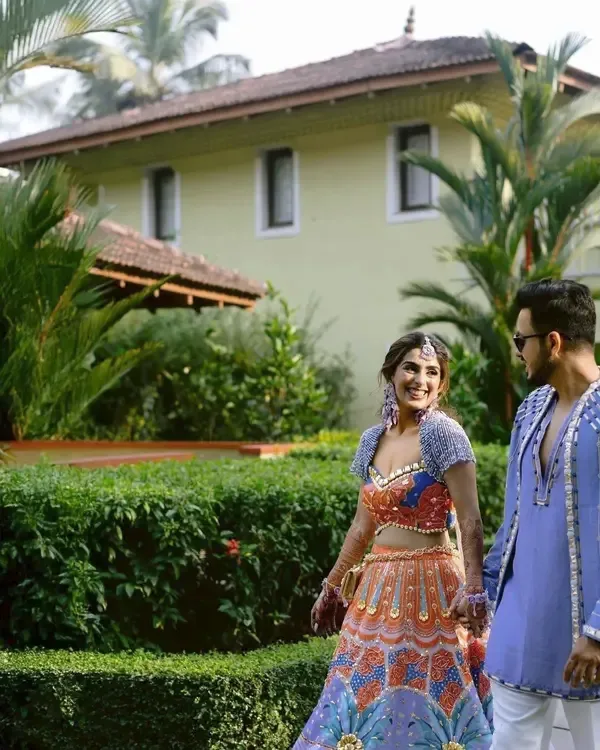
A Goan wedding isn’t just an event; it’s like living together for days. Different events take place over time—the roce (coconut milk anointing), sangeet night, then the wedding—all bring in different crowds. The Catholic roce creates this warm vibe with women singing mandos during the anointing; it’s standout from other Indian pre-wedding events.
The reception after a Catholic ceremony? Completely different—the live music lasts for hours, food keeps filling plates and dancing goes nonstop. The joy flowing reflects ages of celebrations within these communities—not staged but truly from real connections.
What Makes a Good Goan Match
For both Hindu and Catholic families, it’s about finding someone who adapts without losing themselves; someone who enjoys Goa's hospitality but also stands firm when needed. You want someone who relishes feasts but helps clean up later too. Those who find delight in small things—a good prawn curry or that favorite Konkani tune—are what makes being part of the Goan tribe.
- Cultural openness embodies being Goan.
- Konkani is the mother tongue showing cultural heritage.
- Food drives family bonding, celebrations, and identity.
- Live music is normal at weddings across families.
- The community accepts matches across traditions within similar faiths.
Goan Matrimony FAQs
Is Goan matrimony just for Goan Catholics, or does it include Goan Hindus too?
Goan matrimony covers both Goan Catholics and Goan Hindus, along with groups like Goan Saraswat Brahmins and Goan GSBs. It's all about embracing the Goan culture and speaking Konkani. People usually find matches within their religion but share that overall Goan cultural connection.
What's the roce ceremony and why does it matter?
The roce is a pre-wedding ritual in Goan Catholic tradition where the bride and groom get anointed with coconut milk by the women of the family, while traditional mando songs play. It’s an intimate and emotional thing marking their shift from single life to married life. Usually, only close family comes to this event.
Does speaking Konkani matter when marrying in Goa?
Konkani is the main language and really tied to the Goan identity. Families who care a lot about their culture usually want a partner who knows or gets Konkani. But if a family isn't as connected to this over the years, it's less crucial, though valuing Goan culture still matters.
Do Goan families accept matches from outside their community?
They're generally more open to it compared to other Indian communities. Goans usually don't mind non-Goan matches if the partner shares a similar faith and gets along well with everyone. What really matters to them is if the person will make the family happy.
Where Goan Matrimony Matches Are Growing: top Indian states
Use this distribution to compare Goan profile availability across regions and prioritize states with better response and compatibility potential.
No state-level distribution available yet.
Browse Goan Matrimony by Cities
Use these city pages to compare Goan matrimony matches and connect with families seeking serious marriage alliances.
City pages are refreshed with active profile availability for reliable matchmaking discovery.
 App Store
 Play Store
