Ezava Matrimony Profiles
Showing 6+ verified profiles · Ezava
Explore Ezava Matrimony Profiles with 6+ verified profiles on Corishta. From community filters to profile details, this page is built for serious matchmaking conversations.

🔒 View More Profiles
Register free to see full profiles, contact details, and photos.
- or -


Ezava Matrimony: Uniting Kerala's Proud Families
Born of Reform, Bound by Heritage
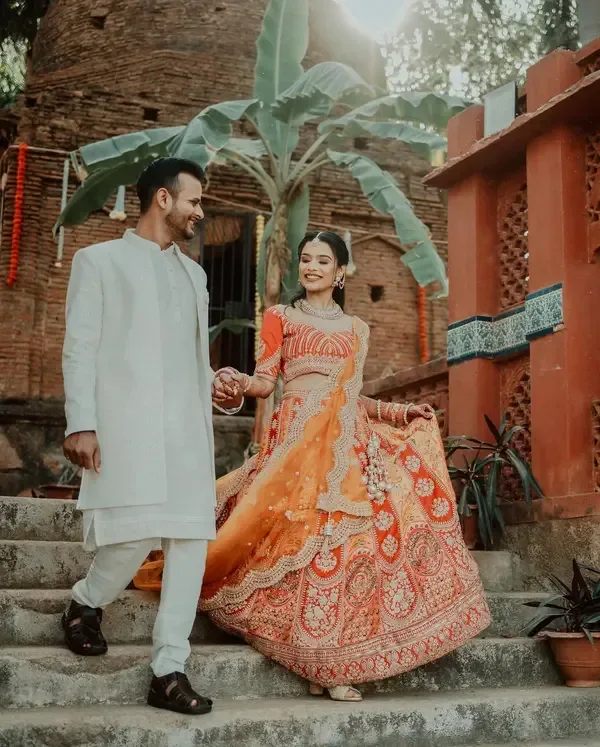
The Ezava community in Kerala has a story of change. Before social media or laws, the Ezava people, led by Sri Narayana Guru, took to education and dignity for all. This is who they are. An Ezava home in Thrissur or Kollam shows this spirit: books alongside pooja rooms, talks juggling Malayalam literature and careers, families balancing temple customs and respect for teachers.
When an Ezava family looks for a partner, they want more than qualifications. They seek someone shaped by hard work and a sense of community. No need to show off.
Community Identity and the Narayana Guru Legacy

The Ezava community's got ties to toddy tapping and Ayurvedic practices (the Vaidyar sub-lineage) but has also produced doctors, engineers, artists, and scholars through the years. The Sree Narayana Dharma Paripalana Yogam (SNDP) has been important in changing education and social views.
Sub-communities like Thiyya from north Kerala share some cultural traits while keeping unique identities. These differences matter in marriage discussions. A Thiyya family from Kozhikode might share values with an Ezava family from Kottayam but could differ in dialect or customs.
Marriage Traditions of the Ezava Community

Ezava weddings are called Kalyanam, usually held with elders around and a Madhyastha mediator. The standout moment? Tying a Minnu, a small gold ornament on turmeric-thread around the bride’s neck—it's a key wedding promise.
The Sadya, served on banana leaves, is essential during celebrations. The feast includes rice, sambar, avial, olan, thoran, two payasams, and pickles—a careful setup matters to an Ezava family.
Pre-wedding Rituals
- Nichayathartham Engagement with matching horoscopes and gifts.
- Haldi (Manga Neerattu) Celebration features turmeric bath at both homes.
- Kalyanam The main event typically happens at SNDP-approved temples or homes.
Values That Define an Ezava Household
This community cares a lot about education—not just for show but as real freedom. Families who faced challenges tend to value hard work over inherited money.
Women have long been encouraged to work and lead. It's part of their past when many dismissed this idea. A partner who respects women’s goals matters here.
- Commitment to education First-generation college grads are held in high respect; advanced degrees count too.
- Community service ethic Many involve themselves with SNDP or local efforts.
- Religious identityMainly Hindu appreciating Narayana Guru’s teachings.
- Regional food cultureA love of Kerala cuisine; fish-loving homes enjoy festive dishes.
The Ezava Partner in the Modern World
An Ezava professional could be working as a software architect in Bengaluru, as a government employee in Thiruvananthapuram, or even a nurse abroad now. Their reach extends wide but their roots stay strong. In Dubai or Toronto too, they enjoy Onam with traditional Sadya preparations and keep Malayalam alive at home.
An Ezava family today wants someone connected to their Kerala roots. They need someone who’ll celebrate Vishu and Onam together while understanding their community—and who’ll raise kids eager to learn just like before. Our platform makes it easy to find someone who shares these values.
Ezava Matrimony FAQs
How are Ezava and Thiyya different when it comes to marriage stuff?
Ezava and Thiyya are pretty related communities. Thiyya folks are mostly in the northern part of Kerala, while Ezava people are more in the central and southern areas. They've got similar cultural and historical backgrounds, but they might do some rituals a bit differently and have a few dialect differences. A lot of families think it's fine to have marriages within both groups.
What's the role of the Minnu in Ezava weddings?
The Minnu is a gold piece tied around the bride's neck by the groom on a turmeric-dyed thread. It’s like the Ezava version of the Mangalsutra and represents their marriage vow. It carries deep meaning and is often made by family goldsmiths.
Do people usually match horoscopes in Ezava matrimony?
Yeah, people still do horoscopes, especially in traditional families. Some city folks might mix it up with seeing how compatible the couple really is. They'll look at things like star signs (Nakshatras) and try to avoid any dosha issues.
How is the SNDP involved in Ezava weddings and family life?
The SNDP Yogam has been a community trust and social organizer for a long time. In some areas, people like to hold Ezava weddings at SNDP temples. They also manage schools that many Ezava families have ties with over the years.
Can you have non-veg preferences in Ezava matrimonial matches?
Sure thing. Most Ezava families eat non-veg, especially fish and meat from Kerala. Food preferences usually aren’t a big deal, and many families serve fish at the wedding Sadya.
State-wise Ezava Matrimony Opportunities in Kerala
Ezava matrimony demand varies across India, and these top states show where verified profiles and serious matchmaking intent are strongest right now.
Find Ezava Brides & Grooms in Major Cities
Explore city-wise matchmaking options for Ezava to shortlist compatible profiles for marriage in active local hubs.
City pages are refreshed with active profile availability for reliable matchmaking discovery.
 App Store
 Play Store
