Dhobi Matrimony Profiles
Showing 8+ verified profiles · Dhobi
Browse 8+ verified Dhobi Matrimony Profiles on Corishta. Families exploring suitable matches can review active profiles, shortlist preferences, and connect with genuine members.
🔒 View More Profiles
Register free to see full profiles, contact details, and photos.
- or -
Dhobi Matrimony – Dignity, Resilience, Community Pride
A Community That Has Always Served with Dignity
The Dhobi community has sustained itself across generations through honest work and genuine service the work of cleaning, washing, and caring for the garments of countless families. This service orientation, far from diminishing the community, has cultivated in it specific virtues: reliability, precision, punctuality, and the quiet pride of people who know that without their work, much of society would come undone. The Dhobi community has been historically underestimated, but its members know their own worth with a clarity that needs no external validation.
In recent generations, the Dhobi community has seen remarkable social mobility, with many families diversifying into education, government service, skilled trades, and business. This upward mobility has not erased the community's identity; if anything, it has given Dhobi families a dual source of pride the heritage of honest service and the achievement of new professional heights. This is a community in motion, growing without forgetting.
Community Identity and Social Values
Dhobi families are known within their communities for their reliability and social conscientiousness. Neighbors and employers alike have historically trusted Dhobi workers with some of the most intimate aspects of household life the family's clothing, the preparation of ceremonial garments, the care of items that hold emotional significance. This trust has been earned over generations and is a source of genuine community pride.
The Dhobi community maintains strong internal bonds. Community gatherings, festivals, and social events are well-attended and warmly celebrated. The community's oral traditions songs, stories, and cultural practices specific to their heritage are preserved and passed to younger generations with care, as markers of an identity that has survived and deserved to survive.
Marriage in Dhobi Culture
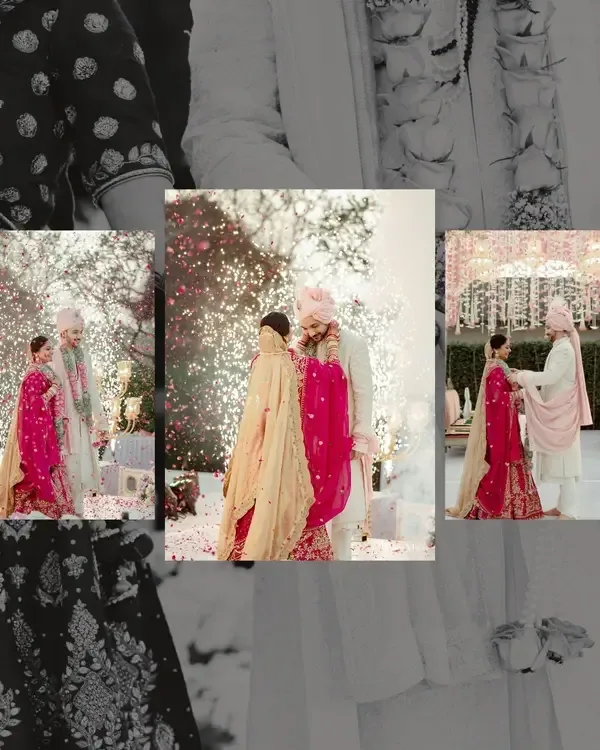
Dhobi weddings are community celebrations in the fullest sense occasions where everyone participates, contributes, and celebrates together. The ceremony follows regional Hindu traditions and is marked by the genuine warmth that characterizes Dhobi social life. Food is prepared communally and generously; no guest is made to feel peripheral.
Traditional Dhobi wedding customs vary by region, but consistently reflect the community's values of community cohesion, practical generosity, and honest celebration. The involvement of community elders in the matchmaking process is considered a mark of respect and is standard practice in most Dhobi families.
What Dhobi Families Seek in a Partner
Compatibility in Dhobi matrimony involves practical and character-based assessment:
- A partner who respects the Dhobi community's heritage without condescension or false pity
- Strong work ethic, reliability, and the ability to be counted on
- A family background with genuine values not just social standing but actual character
- Openness to community life, including attending and contributing to community events
- Emotional stability and the resilience that comes from understanding that dignity is earned through behavior, not circumstance
Dhobi families have limited tolerance for social pretension. They have seen enough of the world from their service role to know that character and status are not the same thing, and they seek partners whose character is genuine.
The Emotional World of Dhobi Households

Dhobi families are emotionally direct and practically loving. Affection is expressed through action through showing up, through working hard for the family, through the consistent reliability that the community's working heritage has always prized. There is a groundedness in Dhobi family culture: people who have worked with their hands do not have time for the neuroses of people who are too abstract from real life.
The community's festival culture particularly around Holi, Diwali, and community-specific occasions is exuberant and inclusive. These are people who know how to celebrate: with genuine feeling, with community, and with the understanding that joy, like clean laundry, is something that must be actively worked for.
Finding a Partner Who Sees Your True Worth
For those seeking a Dhobi partner, what is being offered is something real: a family shaped by honest work, genuine values, and a community that has proven its resilience across generations. What they ask in return is simple: see them fully, respect them honestly, and be the kind of person whose character, like their community's work, has integrity all the way through.
Dhobi Matrimony FAQs
How has the Dhobi community evolved in recent generations?
While traditionally engaged in laundry and garment care services, many Dhobi families have successfully diversified into education, government service, skilled trades, and business. The community maintains strong pride in its heritage while celebrating the professional achievements of newer generations.
What character qualities do Dhobi families most value in a match?
Reliability, honesty, work ethic, and genuine respect for the community's heritage are most valued. Dhobi families have little patience for social pretension and strongly prefer partners who are authentic rather than status-conscious.
How are Dhobi weddings organized?
Dhobi weddings are community-centered events with strong participation from extended family and neighbors. Food is typically prepared communally and generously. Elders play an important role in the matchmaking process and are consulted throughout the matrimonial discussions.
Do Dhobi families face social discrimination in matrimonial searches?
While the community has historically faced social challenges, modern Dhobi families emphasize the dignity and social value of their heritage. They seek partners who engage with them on the basis of genuine character and values rather than caste-based assumptions.
How do Dhobi families typically conduct the matrimonial search?
Most Dhobi families rely on community networks, trusted elders, and community gatherings for introductions. Platforms that respect community identity and allow families to present themselves with dignity are preferred over those that emphasize caste hierarchy.
Top States for Dhobi Matrimony Matches: top Indian states
Use this distribution to compare Dhobi profile availability across regions and prioritize states with better response and compatibility potential.
No state-level distribution available yet.
Find Dhobi Brides & Grooms in Major Cities
Explore city-wise matchmaking options for Dhobi to shortlist compatible profiles for marriage in active local hubs.
All cities include verified active profiles updated regularly.