Dhivar Matrimony Profiles
Showing 3+ verified profiles · Dhivar
Dhivar Matrimony Profiles on Corishta features 3+ verified profiles. This page helps families compare background, community preferences, and marriage intent before taking the next step.
Dhivar Matrimony – Water, Life, and the Fisherman's Wisdom
The River Knows Their Name

The Dhivar community of central India has lived alongside water for as far back as memory reaches. Rivers were not just sources of livelihood; they were the living context of existence the Narmada, the Tapi, the Wainganga, the Wardha. The Dhivar knew when the fish would run and when the river would rise. They understood the moods of water the way a farmer understands the moods of soil: with respect, with attention, and with the humility of someone who knows that the river ultimately answers to no one.
This relationship with water has given the Dhivar community a distinctive worldview patient, adaptive, and oriented toward long-term reading of conditions rather than short-term reactions. These qualities translate directly into how Dhivar families approach matrimony: with patience in assessment, adaptability in expectation, and a long view of what a marriage is for.
Community Identity and Geographic Presence

The Dhivar community (also known as Kewat, Mallah, or Nishad in different regions) is concentrated in Madhya Pradesh, Maharashtra (particularly the Vidarbha river belt), and Chhattisgarh. They are classified as OBC in most states, with sub-group identities varying by the specific water body their ancestors were associated with river Dhivars, lake Dhivars, and reservoir Dhivars having slightly different community traditions.
The community is primarily Hindu, with strong devotion to Jaldev (the water deity) and regional goddesses associated with rivers and water bodies. The river goddess often a form of Devi is worshipped before fishing expeditions and at the beginning of the monsoon season as the waters rise.
Marriage Traditions and the Blessing of Water
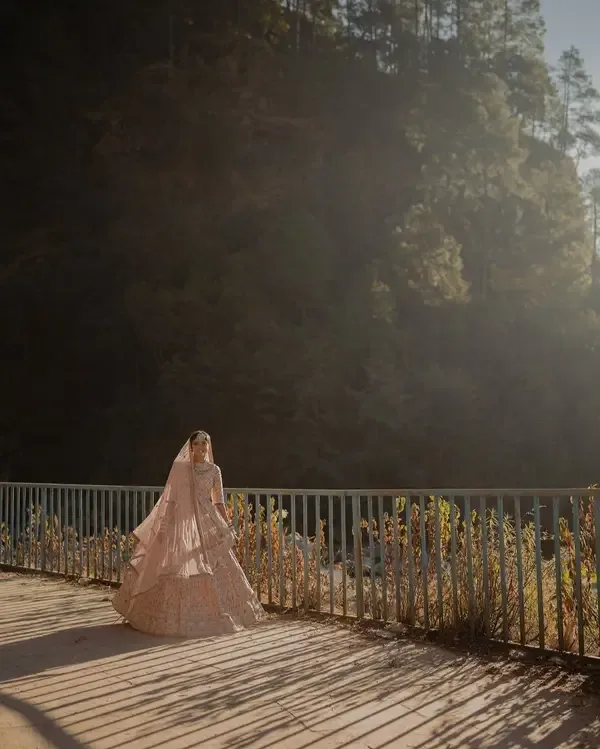
A Dhivar wedding incorporates the community's relationship with water in specific ritual ways. Some families perform a water-blessing ceremony before the wedding, taking sacred water from the river or well and using it in the purification rituals of the ceremony. Wedding celebrations often take place near water bodies where possible, honoring the community's ancestral home.
- Engagement ceremony with community elders and family witnesses, conducted with river water often present as blessing
- Haldi ceremony Pre-wedding purification using turmeric and river water in traditional families
- Lagna Vidhi Wedding ceremony following regional Hindu tradition
- Community celebration Fish-based dishes are central to the wedding feast, reflecting occupational heritage and cultural identity
Values in Dhivar Matrimony

The Dhivar community values adaptability not as weakness, but as the intelligence of someone who has learned to read changing conditions and respond appropriately. In matrimony, this produces a community that is less rigid about specific qualifications and more attentive to character qualities that serve the long haul:
- Practical capability and physical resilience qualities their profession demanded and their culture maintained
- Fishing community livelihood, government service, or established trade
- Environmental awareness and connection to natural world a match who respects water and nature is culturally resonant
- Community participation in river-related festivals and rituals
- Emotional steadiness the Dhivar value for reading conditions applies to relationships as well as rivers
The River's Next Generation
Young Dhivar professionals today are entering government fisheries departments, environmental science, aquaculture management, and general professional fields. They carry the river's patience and the fisherman's observational intelligence into new domains. Our platform helps this community find matrimonial matches who understand the depth of where this community comes from and who are ready to navigate whatever waters lie ahead, together.
Dhivar Matrimony FAQs
What is the traditional livelihood of the Dhivar community?
The Dhivar community has traditionally been engaged in fishing, river navigation, and water-related livelihoods across the rivers of central India — particularly the Narmada, Tapi, Wainganga, and associated water bodies. In Maharashtra and MP, they are also associated with ferrying, net fishing, and river resource management. Many families have diversified into government fisheries roles, aquaculture, and general professional fields.
How does the Dhivar community's relationship with water manifest in their wedding ceremonies?
Water plays a ritualistic role in Dhivar ceremonies — some families incorporate sacred river water into pre-wedding purification rituals, and celebrations near water bodies are preferred when possible. Fish-based dishes are traditionally central to the wedding feast, honoring the community's occupational heritage and cultural identity.
What sub-groups exist within the Dhivar community?
The Dhivar community is related to and sometimes used interchangeably with Kewat, Mallah, and Nishad community identifiers across different regions. Sub-group distinctions are typically geographic — organized around specific river systems or lake regions — rather than occupational or ritual. Regional compatibility is important in matrimonial matching due to these geographic community network structures.
What deity traditions are central to Dhivar community religious life?
The Dhivar community venerates Jaldev (water deity) and regional river goddesses who are understood as protective forces for fishing communities. Pre-fishing rituals and monsoon-season offerings to the river goddess are common practices. These traditions are important cultural indicators in matrimonial compatibility — a match who respects the community's water-centric religious practices is valued.
How has the Dhivar community's professional trajectory changed in recent generations?
Younger Dhivar professionals are increasingly entering government fisheries departments, aquaculture science, environmental management, and general professional careers in education, trade, and government service. The community has actively pursued OBC reservation benefits to access higher education, and first-generation degree holders are celebrated community milestones.
Explore Dhivar Matrimony Reach Across top Indian states
Use this distribution to compare Dhivar profile availability across regions and prioritize states with better response and compatibility potential.
No state-level distribution available yet.
Browse Dhivar Matrimony by Cities
Use these city pages to compare Dhivar matrimony matches and connect with families seeking serious marriage alliances.
City pages are refreshed with active profile availability for reliable matchmaking discovery.