Brahmin Maharashtrian Matrimony Profiles
Showing 6+ verified profiles · Brahmin Maharashtrian
Find Brahmin Maharashtrian Matrimony Profiles through 6+ verified profiles on Corishta. The listing is designed to make shortlisting easier for families looking for compatible and genuine matrimony matches.



🔒 View More Profiles
Register free to see full profiles, contact details, and photos.
- or -


Maharashtrian Brahmin Matches – Find Your Ideal Life Partner
Where Vedic Roots Meet Modern Aspirations
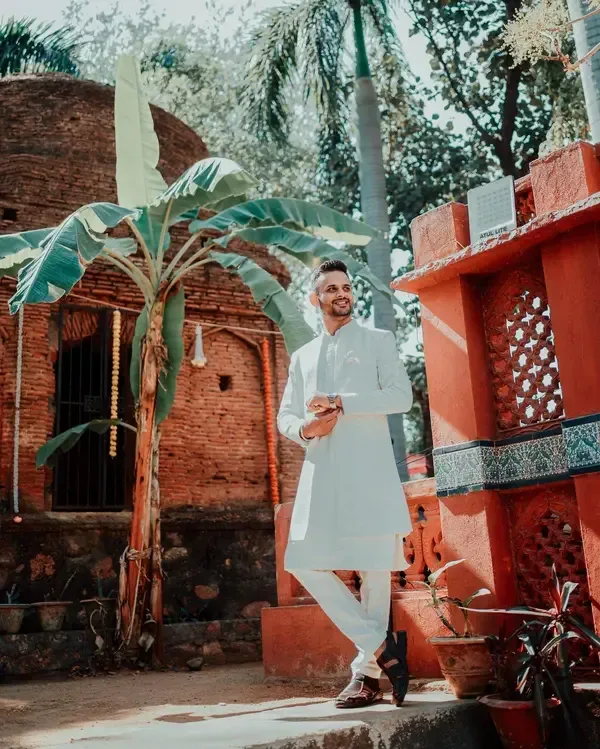
Mornings in Pune, you get the scent of tulsi and the sound of the Gayatri Mantra. A mother lights a lamp for the family deity—a tradition that’s been around forever. This is what Brahmin Maharashtrian life is like—discipline matters, education's important, and marriage is about uniting two families.
Finding a partner isn't hurried. Families discuss gotra, often consult priests called Guruji, and truly consider horoscopes. There’s a bit of excitement though—like aunts making puran poli for those initial visits and grandmas focused on palm readings.
The Cultural Identity of Brahmin Maharashtrians
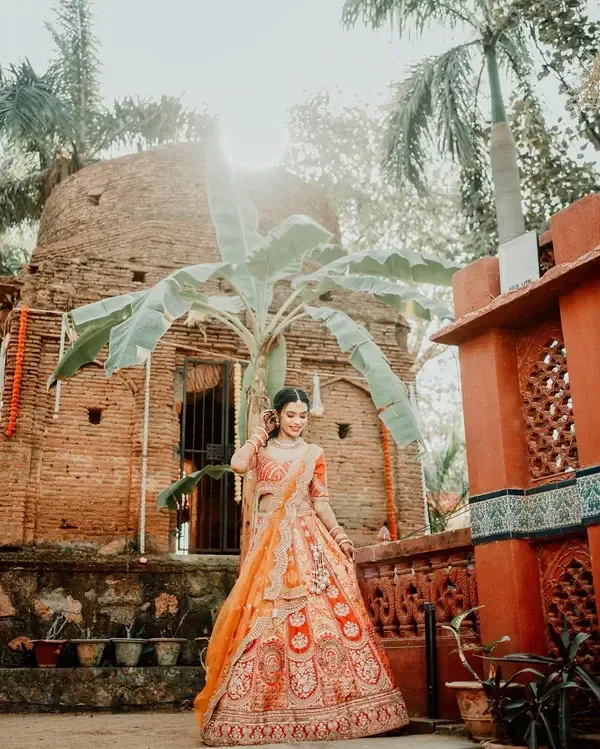
Brahmin Maharashtrians fit into groups: Deshastha, Kokanastha (Chitpavan), Karhade, and Saraswat Brahmins. Each group has unique customs but shares a love for Sanskrit and Vedic practices. The Deshastha excel in administration while the Karhade keep old marriage songs alive.
Matrimony can be complex since differences carry weight. Rituals from a Deshastha family can conflict with those from a Kokanastha one. Matchmakers or platforms pay attention to these nuances as they approach commitments seriously.
Marriage Rituals and the Sacred Thread of Ceremony
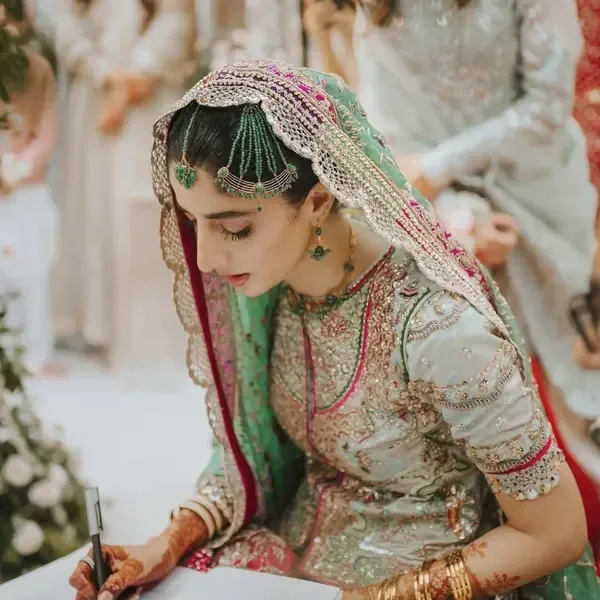
A typical Brahmin Maharashtrian wedding stretches over several days. It starts with the Sakhar Puda, where families exchange sugar—a sign of good things ahead. Next is the Haldi ceremony, where turmeric paste gets applied at home with women singing ovi.
The wedding has Vedic chants from a priest under an adorned mandap. During the Saptapadi, the couple takes seven steps around a holy fire, each step symbolizing promises—they’re not just gestures but solid commitments made before family and God.
What Compatibility Looks Like in This Community
Brahmin Maharashtrian families usually care about:
- Educational achievement: Degrees in medicine or law are significant.
- Vegetarian lifestyle: Most strictly avoid onions and garlic on special days.
- Spiritual alignment: Regular puja attendance or respect for traditions matters.
- Intellectual compatibility: Talks about books or philosophy count as much as finances.
- Gotra and horoscope matching: Matching {em}mangalik{/em} assessments and gotra checks are part of marrying well.
The Modern Brahmin Maharashtrian Partner
Brahmin Maharashtrians today work in Pune’s IT sector or Mumbai’s legal world; some are abroad. They carry their culture quietly—like having that sacred thread on their wrist or keeping Saraswati’s photo handy. They want partners who get that lighting a lamp means more than just tradition.
Matrimonial discussions often cover celebration venues, child-rearing ideas, or whether there’ll be Sanskrit shlokas at dawn. These chats aren’t trivial—they’re about shared hopes.
Finding the Right Match
On our platform, profiles are thorough. Families share education backgrounds plus sub-community ties, hometowns, family deities (Kuladevata), and dietary preferences. These specifics are key to finding a solid match instead of just any match.
If you’re from a Deshastha family in Aurangabad, Nashik's Karhade group or even a Brahmin Maharashtrian based in New Jersey, we connect you with folks who relate to your background well. Marriage isn’t just contracts; it’s about deep connections.
Brahmin Maharashtrian Matrimony FAQs
What's Sakhar Puda about in Brahmin Maharashtrian weddings?
The Sakhar Puda is like the formal engagement. Families swap sugar to show the sweetness of the new relationship. They also exchange gifts and get blessings from the elders, kicking off the marriage officially.
Do Deshastha and Kokanastha Brahamins marry each other?
Yeah, they do, especially in cities. Traditionally though, families like to stick to their own group because of rituals and gotra stuff. These days, couples care more about getting along well. Families still like to weigh in, but sub-group differences matter less now.
How much does gotra matter in Brahmin Maharashtrian marriages?
Gotra matching is pretty important. Marrying someone from the same gotra isn’t allowed because they’re seen as the same family line. Usually, a family priest or astrologer checks gotra compatibility before making things official.
What kind of food restrictions should a Brahmin Maharashtrian match know about?
Most Brahmin Maharashtrian families are pretty strict vegetarians and don't eat meat at all. On special days or when they're fasting, they might also skip onions, garlic, and root veggies. A good match would either follow these practices too or at least be cool with them.
What's the first meeting like for Brahmin Maharashtrian families when potential matches meet?
Usually, they have a semi-formal get-together either at the girl's house or maybe some neutral spot, and both families are there. They talk about stuff like education, jobs, and family. After that, the couple might get a chance to chat alone. The older folks might bring up things like astrology and gotra during family discussions.
State-wise Brahmin Maharashtrian Matrimony Opportunities in Maharashtra
Families searching for Brahmin Maharashtrian matrimony often prefer matches by language, lifestyle, and nearby regions; these state clusters highlight where most active options are available.
Brahmin Maharashtrian Matches Across Top Cities
Discover where Brahmin Maharashtrian brides and grooms are most active so your matchmaking search stays focused and practical.
All cities include verified active profiles updated regularly.
 App Store
 Play Store
