Sitamarhi Brahmin Hindibhashi in Sitamarhi Matrimony Profiles
Showing 1+ verified profiles · Brahmin Hindibhashi · Sitamarhi · Sitamarhi
Corishta brings together 1+ verified options for Sitamarhi Brahmin Hindibhashi in Sitamarhi Matrimony Profiles in Sitamarhi. Whether families are browsing by community, city, or marriage intent, this section supports focused partner discovery.
Top Religions in Sitamarhi
City-focused religion hubs connected through published SEO pages.
Brahmin HindiBhashi Matrimony in Sitamarhi | Trusted Matches
Finding a Life Partner the Brahmin Way in Sitamarhi
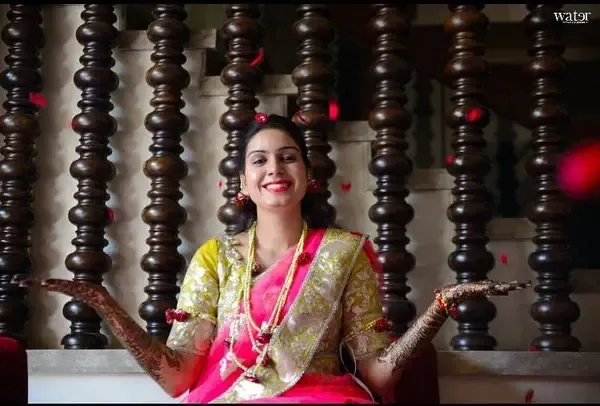
In the quiet mohallas of Sitamarhi, where the scent of agarbatti drifts from temple courtyards every morning and the sound of Vedic shlokas still echoes in family homes, the search for a life partner is never simply a transaction. For Brahmin HindiBhashi families here, matrimony is an act of dharma — a sacred alignment of two souls, two gotras, and two families rooted in the same river of tradition.
Sitamarhi, nestled in the northern reaches of Bihar close to the Nepal border, carries a spiritual weight that shapes everything from how families speak to how they conduct weddings. This is a land deeply connected to Mithila heritage, where the Brahmin household considers education and ritual discipline as inseparable. A boy who has studied well and maintains his family's religious customs is considered more eligible than one who simply earns well but has drifted from his roots.
The Sitamarhi Brahmin Family and the Art of Matchmaking
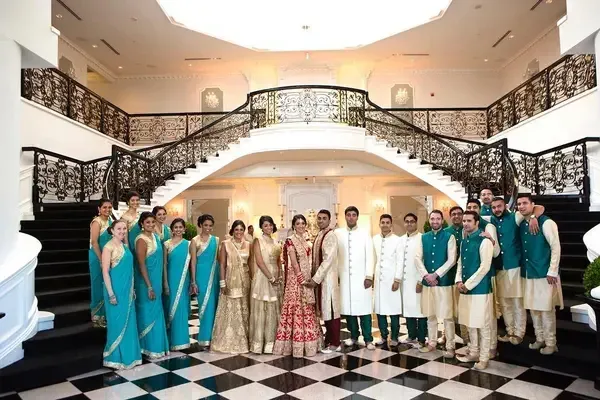
Matchmaking among Brahmin HindiBhashi families in Sitamarhi often begins not on a matrimonial app but at a panditji's home during a festival, or through a well-respected intermediary — a mausi, a purohit, or a family friend who has known both households for decades. The first meeting frequently happens over chai and mithai in the sitting room, with the groom's parents and the bride's parents exchanging pleasantries before anyone dares mention the word kundali.
Gotra matching is taken seriously. Families in Sitamarhi maintain careful records of their lineage, and the Brahmin elders ensure that Sapinda and gotra rules are properly followed before any discussion moves forward. This isn't superstition — it is identity. It is the family saying: we know who we are, and we want our children to marry someone who equally knows who they are.
What Families Look For in a Match
- Educational qualifications, especially degrees from reputed institutions in Patna, Delhi, or beyond
- A career in government service, teaching, or a stable private sector role
- A bride or groom who respects elders and participates actively in family rituals
- Compatibility of horoscopes as verified by a trusted jyotishi
- A family background free of any social controversy or disrepute
Migration, Education and the New-Age Brahmin Match

One of the defining realities of Brahmin HindiBhashi matrimony in Sitamarhi is that many of the most eligible young men and women are no longer in Sitamarhi. They have moved to Patna, Delhi, Pune, or even abroad for their studies and careers. Mothers sit in Sitamarhi and manage the matrimonial search remotely, calling relatives in different cities, sending profiles on WhatsApp, and insisting that the wedding must happen back home — with proper rituals, a proper pandit, and proper pomp.
This creates a fascinating dynamic. The bride might be a software engineer in Bengaluru and the groom a doctor in Patna, but their wedding will still be held in Sitamarhi, with seven rounds of the holy fire, Sanskrit mantras recited by the family purohit, and a feast of traditional Bihari cuisine served to the entire extended family. The migration of people does not mean the migration of tradition.
Wedding Traditions Among Brahmin HindiBhashi in Sitamarhi
The wedding celebrations typically span three to five days. The Tilak ceremony marks the formal acceptance of the alliance, with the groom's family arriving at the bride's home bearing gifts of sweets, dry fruits, and new clothes. The Haldi ceremony is intimate and joyful, involving turmeric paste applied by the women of the household while folk songs fill the air. The Vivah ceremony itself is guided entirely by Vedic rituals, with the Saptapadi and Kanyadan being the most emotionally charged moments — ones where even the most stoic fathers are known to weep.
Compatibility Beyond the Horoscope
Modern Brahmin HindiBhashi families in Sitamarhi increasingly recognize that a good match requires more than astrological compatibility. Conversations between families now include topics like: Will the daughter-in-law be comfortable adapting to Sitamarhi's lifestyle if they return? Does the prospective groom respect that his wife may have a career ambition? How will decisions about where to live be made — Bihar, Delhi, or wherever the job takes them?
These are real conversations happening over phone calls between relatives, across kitchen tables in distant cities, and in the careful wordings of matrimonial profiles. The Sitamarhi Brahmin family is evolving — but it is evolving with grace, holding onto what matters while making room for what is new.
Why Matrimonial Platforms Are Changing the Search
Online matrimonial platforms have become deeply embedded in the Brahmin HindiBhashi matchmaking culture in Sitamarhi. Families use them not as a replacement for community networks but as an extension. A profile listed on a trusted platform reaches the Brahmin communities in Muzaffarpur, Darbhanga, Delhi, and Mumbai simultaneously — something no local pandit or matchmaker could achieve alone.
- Profiles are created by parents with input from the candidate
- Horoscopes are often attached directly to the digital profile
- Families verify community background before initiating contact
- The first interaction is usually a phone call between parents
- Candidates meet in person only after family-level approval
This blend of tradition and technology is the new face of Brahmin HindiBhashi matrimony in Sitamarhi — and it is working beautifully for hundreds of families every year.
Sitamarhi - Location Map
Explore the area and discover matrimony profiles near Sitamarhi.
Sitamarhi Matrimony FAQs
Do Brahmin HindiBhashi families in Sitamarhi insist on gotra matching?
Yes, gotra and Sapinda compatibility are carefully verified by the family purohit before any alliance is taken forward.
Is horoscope matching compulsory for Brahmin matrimony in Sitamarhi?
Most families consider it essential. A trusted local jyotishi reviews both kundalis before the families agree to proceed.
How do families in Sitamarhi handle matches where the candidate lives outside Bihar?
It is very common. Families manage the process remotely through trusted relatives and matrimonial platforms, with the wedding still held in Sitamarhi.
What careers are considered ideal for a Brahmin groom from Sitamarhi?
Government jobs, teaching, medicine, and engineering are highly valued. Business is acceptable if it is reputable and stable.
Are Brahmin HindiBhashi brides in Sitamarhi expected to leave their careers after marriage?
Views are changing. Many families now support educated daughters-in-law continuing their careers, especially in cities.
Sitamarhi Matches Across Top Cities
Discover where Sitamarhi brides and grooms are most active so your matchmaking search stays focused and practical.
All cities include verified active profiles updated regularly.