Bangalore Urban Brahmin Hindibhashi in Bangalore Urban Matrimony Profiles
Showing 1+ verified profiles · Brahmin Hindibhashi · Bangalore Urban · Bangalore Urban
Explore Bangalore Urban Brahmin Hindibhashi in Bangalore Urban Matrimony Profiles in Bangalore Urban with 1+ verified profiles on Corishta. From community filters to profile details, this page is built for serious matchmaking conversations.
Brahmin HindiBhashi Matrimony in Bangalore Urban – North Indian Traditions in South Indian Metro
Brahmin HindiBhashi Matrimony in Bangalore Urban – Cultural Continuity in India's Silicon ValleyBangalore's urban sprawl carries within it a quiet northern heartbeat. In apartments in Whitefield, Marathahalli, and HSR Layout, Hindi-speaking Brahmin families from Uttar Pradesh, Madhya Pradesh, and Rajasthan have built a home away from their roots yet they have not let go of those roots. The morning puja still smells of incense and ghee, the kitchen still produces dal-baati-churma on festival afternoons, and the evening prayer is still offered in Hindi, even as the city outside speaks Kannada, Tamil, and English with equal ease.
Brahmin HindiBhashi families in Bangalore Urban occupy a fascinating matrimonial space they are educated, cosmopolitan, and IT-literate, yet they carry a cultural continuity that makes them seek partners who will understand the emotional weight of a Hindi shloka, the warmth of a family gathered around Holi colors, and the significance of a Satyanarayan Katha performed in their mother tongue.
The Professional Reality of HindiBhashi Brahmin Families in Bangalore
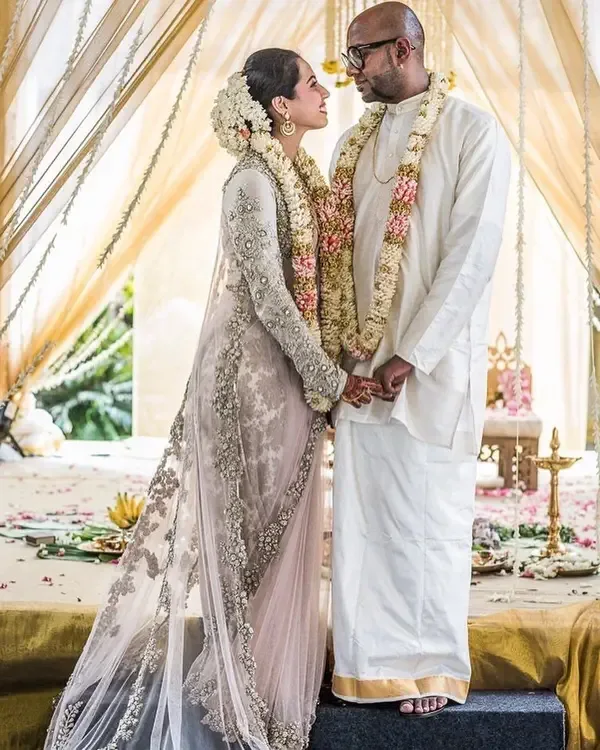
Bangalore's technology economy is the primary reason these families are here. Sons and daughters who grew up in smaller Hindi-belt cities arrived at Infosys, Wipro, TCS, or startups in Koramangala and Electronic City, building careers that their parents once dreamed of in cities like Jhansi, Varanasi, or Bhopal. The professional ambition is real and respected. But it has created a specific matrimonial tension how does a family in Kanpur find a suitable match for their son who now earns in Bangalore and may live there for years?
The answer has increasingly become community-specific matrimonial platforms and organized samaj events held in Bangalore's North Indian community halls. Every Diwali and Navratri becomes an informal marriage fair, where parents exchange phone numbers and biodata while children share music and memories of home.
Marriage Expectations and Cultural Compatibility

Brahmin HindiBhashi families in Bangalore Urban typically prefer matches within their own community not out of exclusivity, but out of linguistic and cultural comfort. A household where the mother-in-law speaks only Hindi and expects the bahu to participate in Sanskrit rituals needs a daughter-in-law who is genuinely aligned, not merely tolerant. These are subtle but important distinctions.
Brides from similar Hindi-speaking Brahmin families whether in Delhi, Allahabad, or even other Bangalore-settled families are preferred. The key criteria are education, family values, vegetarian lifestyle, and the ability to maintain a spiritually structured household. Most families also expect the wedding itself to be conducted with proper Vedic rituals, with a pandit who knows the correct Sanskrit mantras and gotra recitations.
City Life and Its Influence on Matchmaking

Bangalore's metro lifestyle has made Brahmin HindiBhashi families more accepting of intercity matches, longer courtship periods, and even pre-marriage conversations between the prospective couple. A young woman working in a product company in Indiranagar is unlikely to agree to a match she has not spoken with at least twice. Parents have largely accepted this as a necessary adaptation they would rather their child be genuinely happy than rush into an incompatible arrangement.
The city's high living costs, long commutes, and nuclear apartment culture have also made families more pragmatic about dowry expectations, joint family logistics, and post-marriage residence decisions. Many newly married HindiBhashi Brahmin couples in Bangalore settle into 2-BHK apartments in areas like Bellandur or Bannerghatta Road, balancing independent professional lives with regular visits to both families in their home states.
Wedding Traditions and Community Gatherings
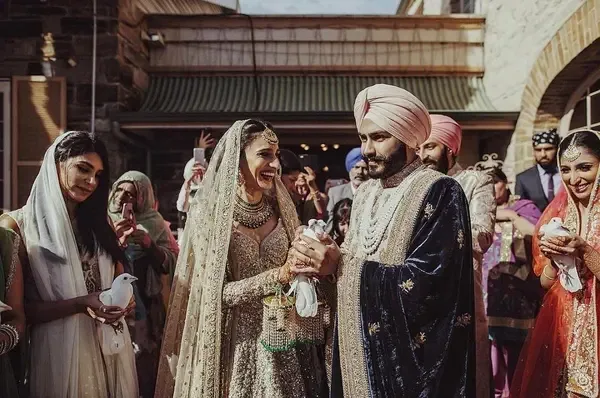
Weddings are celebrated with the full grandeur of Hindi-belt Brahmin tradition mehendi, sangeet with folk songs from UP or MP, Saat Phere conducted in Sanskrit, and feasts that blend North Indian cuisine with a nod to the Bangalorean setting. Many families book wedding halls in Hebbal or JP Nagar that cater specifically to North Indian ceremonies. The event becomes a reunion of family members traveling from distant Hindi-speaking states, making it an emotionally rich gathering of community identity.
It is not unusual for a Brahmin HindiBhashi wedding in Bangalore to have guests from five different states, a pandit flown in from Varanasi, and a caterer who specializes in UP-style thali with puris, paneer sabzi, and rice kheer. The city provides the logistics; the family provides the cultural soul.
Emotional Dimensions of Matrimonial Search in Bangalore
Behind the polished biodata and professionally photographed profiles lies a deeply human search for someone who will understand that home is not always the city you live in, that language is love, and that tradition is not a burden but a gift. Brahmin HindiBhashi families in Bangalore carry this emotional complexity with grace. They want their children to thrive in the metro, to advance professionally and personally, but they also want them to know their Gotra, respect their elders, and light the lamp every evening as their own parents taught them.
That balance between the global city and the ancient community is what makes Brahmin HindiBhashi matrimony in Bangalore Urban a uniquely layered, deeply human story of love, identity, and belonging.
Bangalore Urban - Location Map
Explore the area and discover matrimony profiles near Bangalore Urban.
Bangalore Urban Matrimony FAQs
Why do Brahmin HindiBhashi families in Bangalore prefer matches from within their language community?
Language and cultural comfort are deeply important. A Hindi-speaking household wants a bahu who can participate in rituals, converse naturally with elders, and maintain the cultural rhythm of the home.
How are matrimonial events organized for Brahmin HindiBhashi families in Bangalore?
Community samaj organizations and North Indian cultural associations hold matrimonial meets during major festivals. Online platforms filtered by mother tongue and sub-caste are also widely used.
Are intercity matches common for Brahmin HindiBhashi families settled in Bangalore?
Yes, matches between Bangalore-settled professionals and families in UP, MP, Delhi, or Rajasthan are very common and generally welcomed, especially when values and education align.
What is the typical wedding format for Brahmin HindiBhashi families in Bangalore?
Weddings follow full Vedic Brahmin rituals with Sanskrit mantras, Saat Phere, and Kanyadaan. Celebrations include North Indian sangeet, mehendi, and traditional cuisine even in Bangalore venues.
Do young professionals in Bangalore have a say in choosing their partner?
Increasingly, yes. Most families now encourage a few conversations between the couple before finalizing, blending family guidance with individual consent.
Browse Bangalore Urban Matrimony by Cities
Use these city pages to compare Bangalore Urban matrimony matches and connect with families seeking serious marriage alliances.
All cities include verified active profiles updated regularly.