Bhavsar Matrimony Profiles
Showing 4+ verified profiles · Bhavsar
Bhavsar Matrimony Profiles on Corishta features 4+ verified profiles. This page helps families compare background, community preferences, and marriage intent before taking the next step.


Bhavsar Matrimony – Celebrating The Dyer & Trader Heritage
Color Has Always Been Their Craft
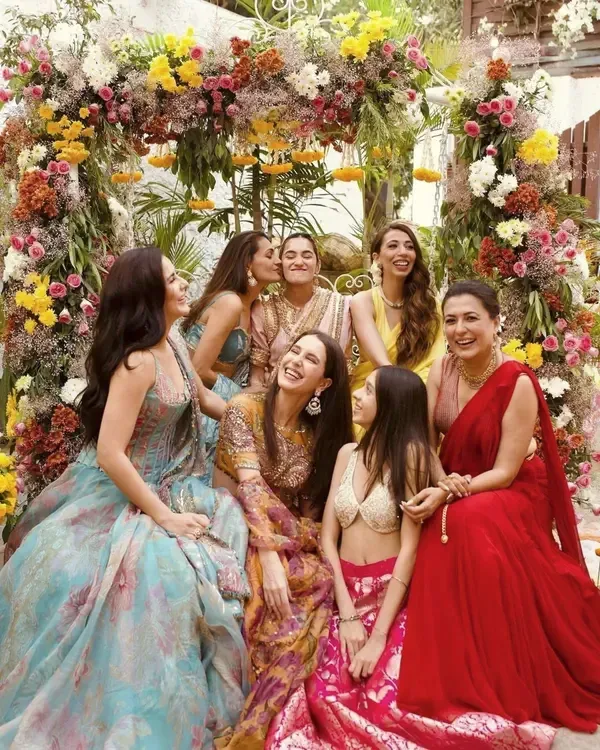
Before synthetic dyes took over, the Bhavsar community in Gujarat and Maharashtra was all about color. These master dyers (Rangari) and traders were crucial in the textile game. They knew which plants created shades, how to fix colors, and which fabrics held true hues. This knowledge made them vital players for ages. It was more than work; they combined business savvy with artistic flair, impacting trade and retail.
Today, you'll mainly find the Bhavsar community in Gujarat (like Ahmedabad, Surat, Vadodara) and Maharashtra (Pune, Nashik, and Mumbai), with smaller groups in Rajasthan. They shifted from dyeing traditions to modern businesses through their adaptability; color awareness turned into spotting opportunities, transforming dye shops into trading hubs.
Community Identity Across Regions
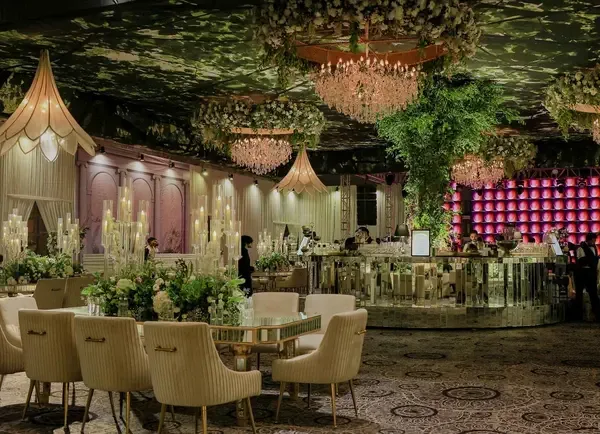
The Bhavsar community has different names: Bhavsar Kshatriya in Gujarat, Rangari in Maharashtra, and Chhipa in Rajasthan. While their dyeing skills are similar, their customs and marriage practices differ based on location. You’ll see both similarities and significant differences in marriage traditions.
Wedding Traditions with Color and Community
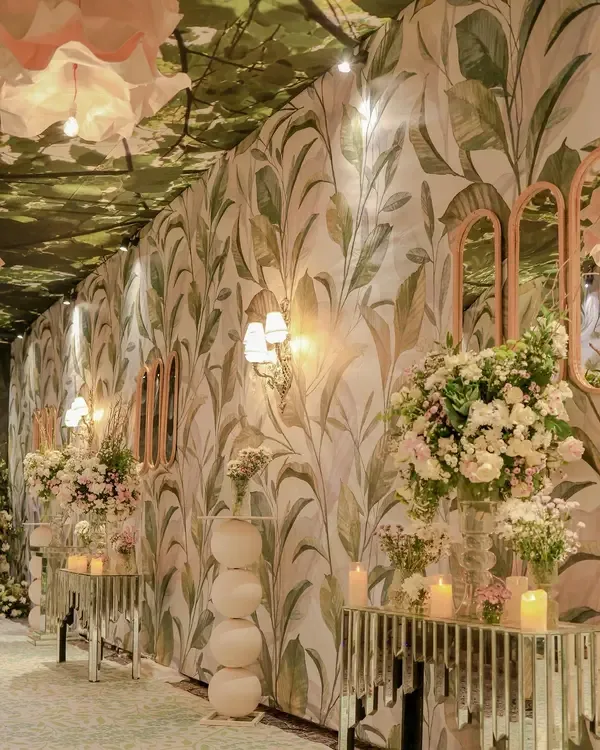
A Bhavsar wedding focuses on beauty. They clearly have an eye for aesthetics that shows up in colors, fabrics, and mandap setups—lots of thought goes into visual appeal. The ceremony typically includes:
- Sagpan (Engagement) This is where they exchange gifts with community witnesses present.
- Pithi (Haldi) A turmeric ceremony with traditional Gujarati or Marathi songs.
- Garba or folk dance Pre-wedding Garba nights are important for Gujarati Bhavsar families.
- Lagna Vidhi The main wedding ceremony performed with Vedic rites.
What Bhavsar Families Value in Matrimony
You get a sense of how a Bhavsar family chooses a partner based on their trade experience. They've figured out how to gauge character and reliability over generations. Their approach to matrimony? Very practical:
- A strong mind for business or reliable job stability—financial acumen counts.
- The family's reputation in business—how they handle commerce is key.
- An eye for aesthetics—craftsmanship matters a lot here.
- Community engagement—active involvement is important across networks.
- Cultural fit—understanding regional languages around Gujarat-Maharashtra helps a lot.
The Bhavsar Entrepreneur of Today
Todays’s Bhavsar professionals often work in retail, textiles, manufacturing, IT, or finance. They bring forward their ancestors’ focus on quality to new fields. They're looking for partners who understand that building careers or lives takes patience and vision—just like dyeing fabric does. Our platform connects Bhavsar families across Gujarat and Maharashtra for their search needs.
Bhavsar Matrimony FAQs
What kind of work did the Bhavsar community traditionally do?
The Bhavsar community used to be really into textile dyeing and fabric printing. They were known as master dyers, or "Rangari". A lot of them have moved into stuff like textile trading, retail, and manufacturing over the years. They've stuck with using their skills in business that came from their artisan roots.
What's the difference in wedding traditions between the Gujarati Bhavsar and Maharashtrian Rangari communities?
Both come from dyeing traditions, but they've got their own styles. Gujarati Bhavsar families might throw pre-wedding Garba nights, while Maharashtrian Rangari folks stick to Marathi customs like Ovi singing and using an Antarpat during weddings. Making sure they're a good match regionally is also something they think about.
Do people in the Bhavsar community usually arrange marriages with others in the same community?
Generally, Bhavsar families like to stick with matches within their own community, especially their local groups. But, in cities or among business families, they might look at matches from other Kshatriya groups or Hindu communities if there's a good cultural and professional fit. Still, having a family from a business background is often preferred.
How do Bhavsar sanghas help with finding a marriage partner?
Bhavsar community groups, called sanghas, help by introducing people for marriage, planning community gatherings, and checking the reputations. A family's reputation in the sangha can be a big deal when figuring out if people are a good match.
How does coming from a business family affect Bhavsar matrimony choices?
In Bhavsar matrimony, having a business background can be a big plus. Families with a trade or business history are often seen as good fits because they're thought of as financially smart and sharing the same cultural values. People from professional families are also considered if they show similar financial stability and business know-how.
State-wise Bhavsar Matrimony Opportunities in top Indian states
This state-wise view helps you focus on Bhavsar matches in high-activity regions, making shortlisting faster for local and interstate alliances.
No state-level distribution available yet.
Bhavsar Matches Across Top Cities
Discover where Bhavsar brides and grooms are most active so your matchmaking search stays focused and practical.
City pages are refreshed with active profile availability for reliable matchmaking discovery.
 App Store
 Play Store
