Beldar Matrimony Profiles
Showing 3+ verified profiles · Beldar
Corishta brings together 3+ verified options for Beldar Matrimony Profiles. Whether families are browsing by community, city, or marriage intent, this section supports focused partner discovery.
Beldar Matrimony – Built From the Ground Up
The Ones Who Lay the Foundation
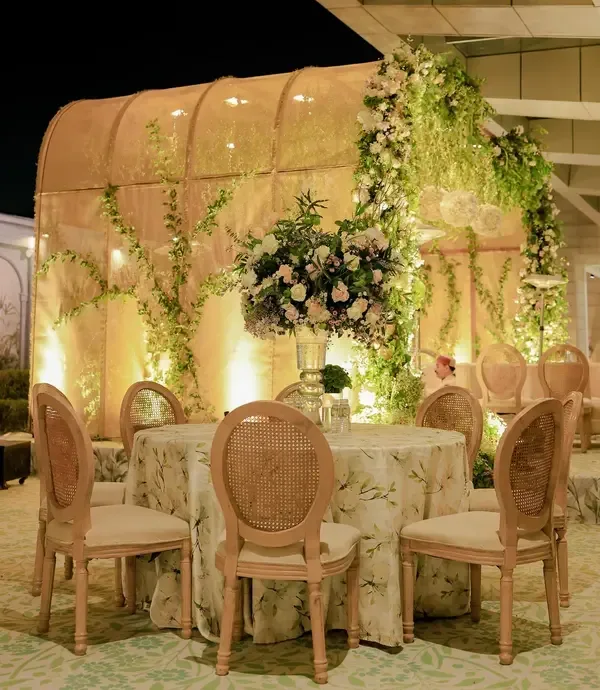
Before any building rises, before any road is laid, before any dam holds water there is the person who moves earth. The Beldar community of Maharashtra and Karnataka is that person. Historically associated with earth-cutting, construction labor, and stone work, the Beldar community built the physical foundations of towns and infrastructure across the Deccan region. This is not a metaphor it is a literal legacy. Forts, wells, roads, and buildings that stand today carry in their foundations the labor of Beldar hands.
The Beldar community (also known as Vaddar in Karnataka and Andhra Pradesh) has faced significant social marginalization despite this foundational contribution. Yet the community has responded to this challenge not with withdrawal but with tenacity pushing children into education, demanding recognition, and using the same physical and mental toughness that characterized their ancestors' labor to build new kinds of futures. In matrimony, this history produces a specific kind of dignity: unassuming, earned, and quietly fierce.
Community Identity and Social Journey

The Beldar/Vaddar community is classified as OBC (Other Backward Class) in Maharashtra and scheduled communities in Karnataka, reflecting a historical social position that the community has actively been working to transcend through education and political organizing. The community is primarily Hindu, with devotion to Khandoba and local deities specific to the regions they have settled across Maharashtra's districts.
The community's occupational heritage has diversified significantly. While construction-related work remains the livelihood of many Beldar families, the younger generation is increasingly represented in teaching, government service, engineering, and business. Each first-generation professional in a Beldar family is a community milestone.
Marriage Traditions and Community Solidarity
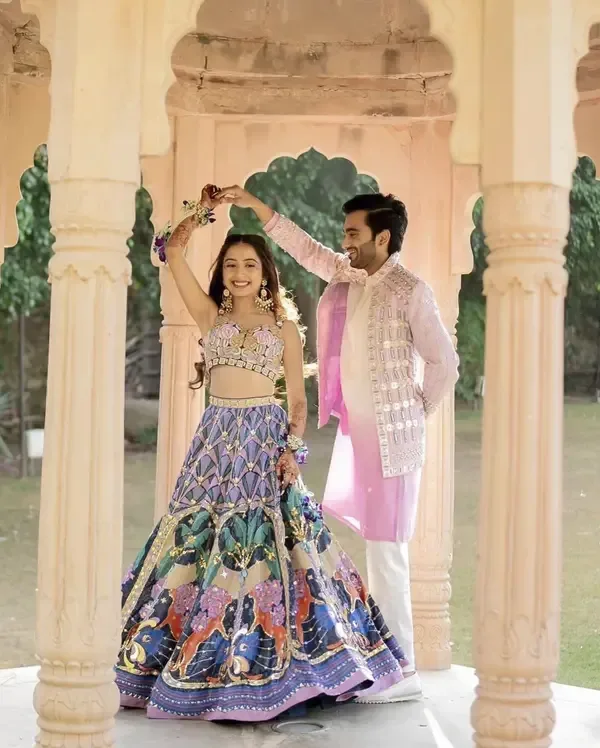
A Beldar wedding is a statement of community solidarity. The labor that once built walls now builds celebrations the community comes together to organize, cook, decorate, and celebrate with the same collective energy that their ancestors brought to collective work projects. The ceremony follows the broader Maharashtra Hindu tradition:
- Engagement ceremony Community-witnessed, with elder verification of family background
- Haldi ceremony Pre-wedding ritual with community women gathering and traditional songs
- Lagna Vidhi Wedding ceremony conducted with family priest
- Community feast Shared across all assembled guests, often organized collectively
What Beldar Families Value in a Match

A Beldar family evaluates a prospective match through the lens of what it means to build: you start with what you have, you work consistently, you don't give up when things get hard, and over time something real takes shape. The matrimonial values that emerge from this history are:
- Honest, consistent livelihood government service, established business, or skilled labor with dignity
- First-generation educational achievement is celebrated and sought in a partner
- Community solidarity someone who does not distance themselves from their working-class roots
- Emotional resilience the Beldar family knows what hardship looks like and values a partner who can weather it
- Genuine warmth over social performance
Rising, Stone by Stone
The Beldar community is building its future with the same method it has always used: consistently, carefully, without shortcuts, and with collective support. Our platform provides this community with a respectful and serious matrimonial space one that honors the journey this community is on and helps the next generation find partners who understand what it means to build something from the ground up.
Beldar Matrimony FAQs
What is the traditional occupation of the Beldar community?
The Beldar community (also known as Vaddar in Karnataka and Andhra Pradesh) has historically been engaged in earth-cutting, quarrying, road building, canal construction, and general infrastructure labor. This foundational role in physical construction gave the community both skills and resilience, though it also resulted in social marginalization that the community has actively been working to overcome.
How has the Beldar community evolved professionally in recent generations?
The younger generation of Beldar families is increasingly represented in education, government service, teaching, and engineering, with significant effort invested in pushing children into professional careers. First-generation college graduates and government employees are celebrated as community milestones, representing a generational shift from the labor heritage.
What role does community solidarity play in Beldar matrimonial culture?
Community solidarity is fundamental to Beldar social life and matrimonial culture. Weddings are organized collectively, with community members contributing labor, food preparation, and organizational support. A prospective match who participates in community gatherings and maintains genuine social connections is highly valued over someone who maintains only superficial community ties.
Are there specific regional variations in the Beldar/Vaddar community that affect matrimonial matching?
Yes — the community is known as Beldar primarily in Maharashtra and as Vaddar in Karnataka and Andhra Pradesh. Regional variations in language (Marathi vs. Kannada vs. Telugu), ritual practice, and community network mean that regional compatibility is an important practical consideration, though the shared heritage allows for cross-regional matches in many cases.
How does social class background affect Beldar matrimonial expectations?
Having emerged from a working-class and labor background, Beldar families value authenticity and community loyalty over class presentation. A match who maintains pride in their working-class roots, regardless of current professional achievement, is seen as genuinely compatible. Matches who distance themselves from their background or express social embarrassment about their community are viewed with suspicion.
Beldar Matrimony Profiles Across top Indian states
Beldar matrimony demand varies across India, and these top states show where verified profiles and serious matchmaking intent are strongest right now.
No state-level distribution available yet.
Find Beldar Brides & Grooms in Major Cities
Explore city-wise matchmaking options for Beldar to shortlist compatible profiles for marriage in active local hubs.
City pages are refreshed with active profile availability for reliable matchmaking discovery.