Agrawal Jain Matrimony Profiles
Showing 2+ verified profiles · Agrawal Jain
Find Agrawal Jain Matrimony Profiles through 2+ verified profiles on Corishta. The listing is designed to make shortlisting easier for families looking for compatible and genuine matrimony matches.


Agra's Jain Matrimony: Honor Business Values & Jain Dharma
Where Commerce Meets Conscience
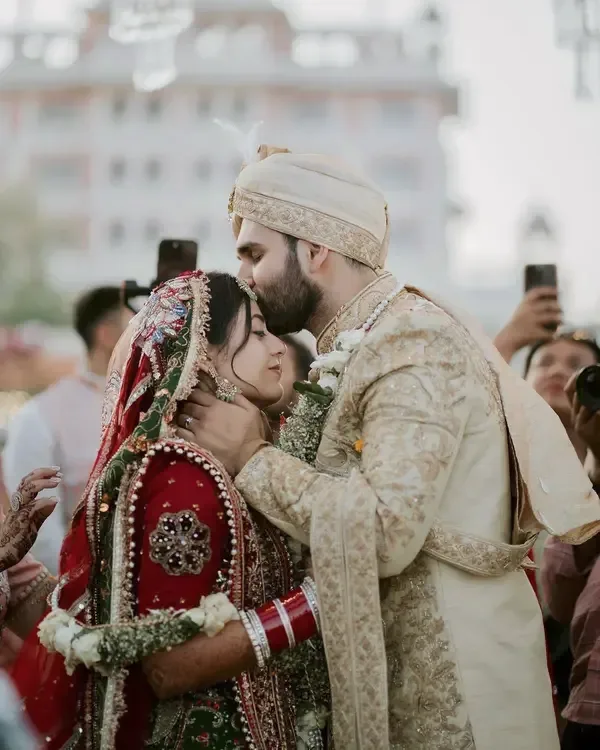
The Agrawal Jain identity is all about mixing the business savvy of Agrawal traders with Jain values. This combination shapes their way of life. The Jain principle of aparigraha (non-possessiveness) supports their businesses. Sure, they track profits, but many observe fasts during Paryushan too. That's where they find something special.
In Agrawal Jain homes, each workday kicks off and wraps up with rituals. Morning aarti is done before heading out, while evening prayers happen in the upashraya or home mandir. They avoid certain foods all year, not just on fast days. It’s not a burden—they’re like strong pillars keeping their drive in check.
Ahimsa as a Living Practice
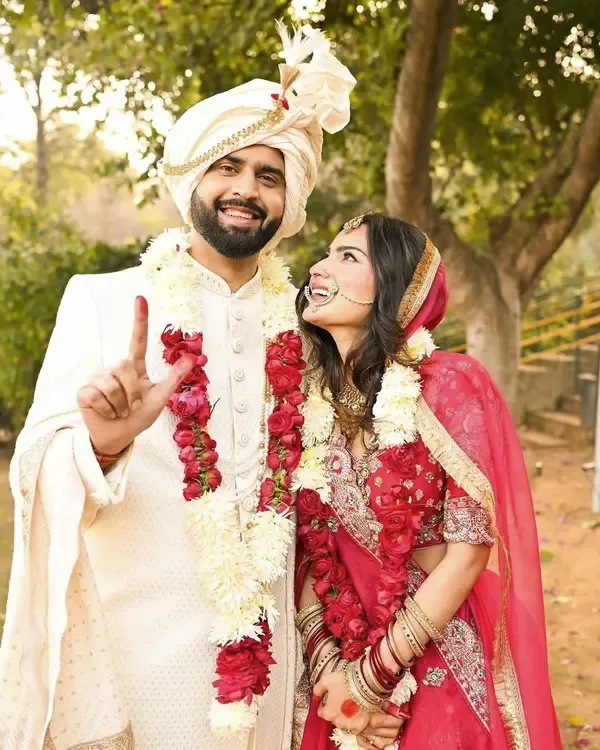
The Jain concept of ahimsa or non-violence shows up daily in Agrawal Jain homes; it shapes decisions around food, speech, and actions. Their vegetarian kitchen makes this pretty clear. Plus, there’s a focus on kind communication—couples work out problems thoughtfully instead of being harsh.
This mindset affects how Agrawal Jain families think about matches. They pay attention to how potential partners deal with issues during get-togethers. How one handles an awkward moment speaks volumes about fitting into a family that values good behavior.
Paryushan and the Annual Reset
Paryushan is huge in the Jain calendar—it's eight days (for Shwetambar) or ten (for Digambar) dedicated to spirituality and forgiveness. For Agrawal Jain families, it flips daily routines upside down. Business takes a back seat as everyone participates in paryushana pratikraman together. Kids may even try fasting too—even if they can’t do full upvas. The last day focuses on seeking and granting forgiveness for any hurt from the past year.
If someone marries in, they’ll go through Paryushan right away; how they handle it counts. It’s not just about following rules but also showing respect, shifting home schedules, and getting involved leaves a nice impression.
The Agrawal Jain Wedding: Beauty and Restraint

Agrawal Jain weddings mix community spirit with measured restraint from Jain principles. You see celebrations that are delightful yet mindful—it’s all about what’s necessary without excess or skimping on essentials. Meals served follow vegetarian standards dictated by Jain rules; things like onions or garlic are typically off limits.
The wedding rituals highlight unique Jain customs—like getting blessings from sadhus or sadhvis when possible, using specific mantras, and having elders participate in nawkarsi (morning fast breaks post-rituals). Often a Jain vidwan leads ceremonies instead of a Hindu pandit.
What Agrawal Jain Families Value in a Partner
An ideal partner for an Agrawal Jain family balances two worlds—smart in business yet kind at home, able to fast during Paryushan while sealing deals on Mondays; having solid job skills while understanding that home runs on first principles.
- Strict vegetarianism is expected from partners
- Positive participation in Paryushan and other Jain festivals is important
- Business practices based on ahimsa: fair dealings without exploitation are essential values
- Kiddos usually get education grounded in Jain principles
- Families check compatibility concerning gotra and sect alignment (Shwetambar/Digambar)
Agrawal Jain Matrimony FAQs
How are Agrawal Jain and Agarwal Hindu different in regards to marriage stuff?
Agrawal Jains stick to Jain ways and follow things like ahimsa, being vegetarian (often skipping root veggies), and celebrating Jain festivals. Agarwal Hindus practice Hindu traditions. While both come from the same trading roots, their religious practices, festivals, and diets are different. When people look for marriage partners, they usually stay within their own religious group.
Do Agrawal Jain matrimony alliances often happen between Shwetambar and Digambar sects?
They're not very common and people approach them carefully. Since the two traditions have differences in rituals, festival dates, and diets, it can sometimes cause issues. Families usually prefer matches within their own sect, but some educated and forward-thinking families are more open to inter-sect matches if both sides can agree on how they'll handle these differences.
Do Agrawal Jain families take vegetarianism seriously?
They sure do. Most Agrawal Jain families expect strict vegetarianism, and many even skip onions, garlic, and root veggies. They usually make this clear when someone’s searching for a marriage partner; those who aren't vegetarian typically aren't a fit.
How do sadhus and sadhvis fit into Agrawal Jain weddings?
When possible, people like to get blessings from Jain monks or nuns (sadhus/sadhvis) because it’s seen as lucky for wedding ceremonies. Having them there shows how devoted the family is. The ceremony might be tweaked a bit to match Jain practices with help from a Jain vidwan.
State-wise Agrawal Jain Matrimony Opportunities in top Indian states
Agrawal Jain matrimony demand varies across India, and these top states show where verified profiles and serious matchmaking intent are strongest right now.
No state-level distribution available yet.
 App Store
 Play Store
